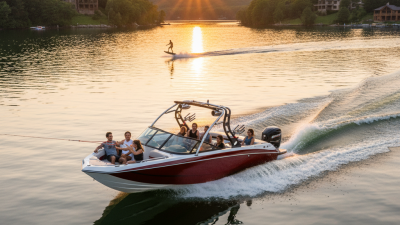
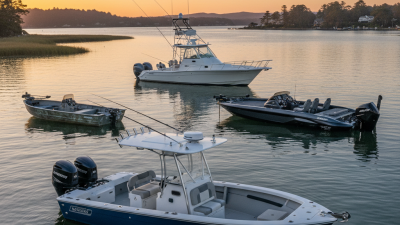
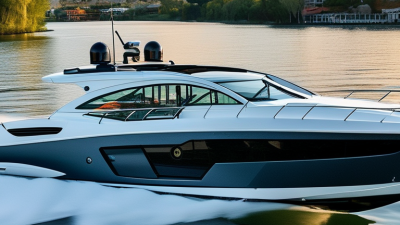
Picking out the best ski boat for 2026 isn’t just about checking horsepower stats or flipping through shiny pictures. Honestly, buyers all around the world need a boat that’s built solid, with clear specs and good support after they take it home. A boat that handles like a boss on a quiet, calm lake might totally struggle when you’re out in choppier coastal waters. Weather really changes everything, right? This guide dives into stuff like tow sports, fuel efficiency, passenger comfort, safety gear, and the costs involved in owning one—whether you’re in the US, Europe, or somewhere else.
If you ask me, the hull design often matters way more than some crazy engine peak number. A stable wake, precise steering, and easy control at lower speeds can make all the difference during those long training sessions. You’ll find brands like Malibu Boats, MasterCraft, Nautique, and Centurion are still top players, but keep in mind, availability varies depending on where you are. Things like import taxes, dealer training, warranties, and local service options are just as important as the boat’s specs. Power isn’t everything—make sure to check out ballast systems, tower height, how the seats are laid out, and whether the trailer fits your needs before buying. And don’t rely solely on photos, since they rarely show things like vibrations, storage space, or the hard work needed to clean off saltwater after a day on the water. The little details really matter.
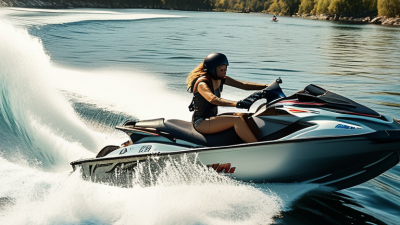
We also look at how a ski boat stacks up next to personal watercraft and accessories—like the Jet Ski Flyboard. These offer totally different experiences, so they shouldn’t be seen as direct replacements. To make a solid recommendation, you’ve gotta think about trade-offs. Some high-end boats give incredible wakes but come with hefty maintenance costs and require expert tuning. Others are more practical, but their electronics, upholstery, or resale value might fall short. This guide pulls together specs, owner reviews, industry insights, and real-world buying tips to help you find a good balance—especially if you’re shopping internationally. The final decision should really match your local waters, your skill level, your budget, and the support you’ll need down the line. It’s not always flashy or glamorous, but honestly—that’s what’s most important.
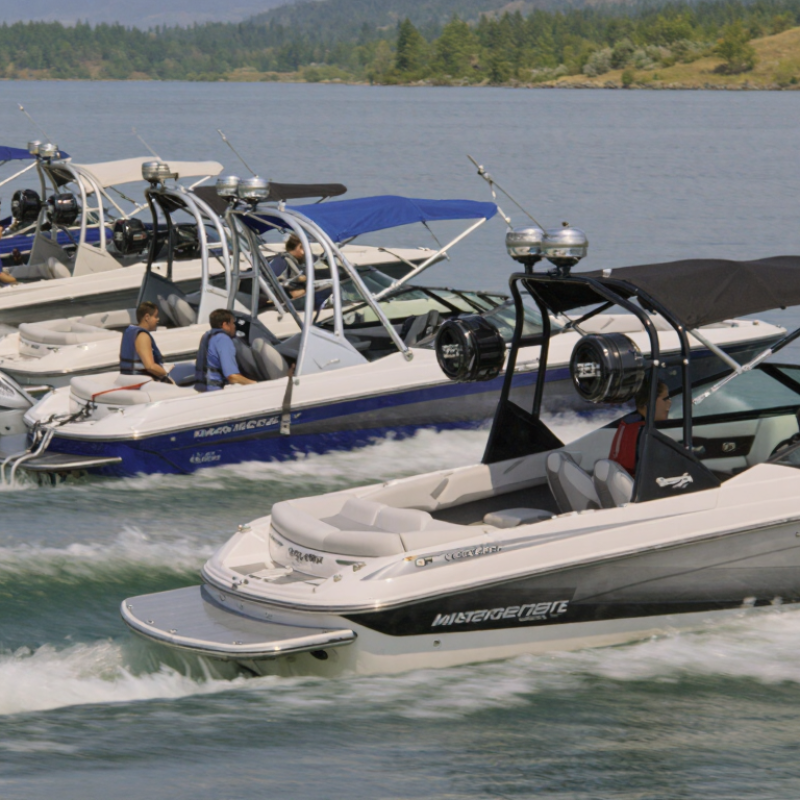
What Defines a Modern Ski Boat in 2026
2026 Best Ski Boats for Global Buyers: What Defines a Modern Ski Boat in 2026
A modern ski boat should deliver a clean, consistent wake at different speeds. Its hull design matters more than decorative features. Experienced drivers often notice tracking first, especially during sharp turns and repeated passes. Electronic throttle control can improve smoothness, but it should not replace careful driving. Adjustable ballast helps shape the wake for beginners, advanced riders, and changing water conditions. Still, maximum ballast is not always better. It can increase fuel use and reduce handling comfort.
Tips: Test the boat with real passengers. Check visibility from the helm. Inspect the engine bay, bilge, storage areas, and safety equipment. Ask for maintenance records and service access. Confirm that the boat meets local registration, noise, emissions, and trailer requirements before purchase.
Global buyers should also consider climate and after-sales support. A boat used in cold water may need different insulation and winterization procedures. Saltwater operation demands corrosion-resistant components and disciplined rinsing after every outing. Digital displays are useful when they show fuel level, engine temperature, and ballast settings clearly. Some screens look impressive but create confusion. I have seen owners ignore simple gauges because they trusted automation too much. That is a weakness worth admitting. Reliable manual controls, strong seating, secure handholds, and accessible storage still define practical quality. A modern ski boat should feel refined, but never complicated for its own sake.
Key Features Global Buyers Should Compare
2026 Best Ski Boats for Global Buyers?
Key Features Global Buyers Should Compare
A ski boat should match local water, not just showroom figures. Compare hull shape, draft, and wake control for your typical lake or river. A narrow, balanced hull often tracks cleanly during sharp turns. Deeper hulls can feel safer in rougher coastal conditions. No design performs perfectly everywhere.
Engine response matters. Ask for tested acceleration, fuel use, and low-speed control, preferably under realistic passenger loads. A smooth throttle helps beginners hold a steady line. Electronic ballast and adjustable wake plates can refine the wake, but complexity may increase service needs. Inspect access around pumps, belts, filters, and wiring before purchase.
Look closely at construction quality. Check sealed compartments, stainless hardware, drainage paths, and corrosion protection for saltwater regions. Confirm the electrical system suits local voltage and marine safety requirements. A reliable dealer should provide service records, technical manuals, warranty terms, and parts support in your region. This is often more valuable than extra screens.
Comfort also deserves comparison. Test seating, storage, visibility, sound levels, and boarding access with actual users. A powerful boat can still disappoint if controls feel awkward or passengers lack shade. Trailer dimensions, transport rules, registration documents, and delivery costs may change the real price. I would not trust a polished demonstration alone; a cold start and independent inspection reveal more.
Top Ski Boat Types for Different Water Conditions
2026 Best Ski Boats for Global Buyers?
Water conditions should guide the hull before seating, storage, or styling. For calm lakes, a direct-drive inboard ski boat delivers a clean wake and precise tracking. Its low running angle helps slalom skiers maintain rhythm. However, it demands careful depth awareness near shorelines.
For windy bays and larger inland waters, choose a deep-V hull with a wider beam. It cuts through short, steep waves more comfortably. Adjustable ballast can shape the wake, but excessive ballast may reduce visibility and increase fuel use. A recent NMMA Recreational Boating Statistical Abstract reported about 11.6 million registered recreational boats in the United States during 2023, showing the scale of varied boating environments. Bigger is not always better.
Rivers require different judgment. A compact jet-propelled ski boat can reduce exposed-propeller concerns in shallow water, though intake blockage remains possible. For mixed saltwater use, corrosion-resistant hardware and sealed electrical systems deserve priority. The US Coast Guard’s 2023 Recreational Boating Statistics recorded thousands of reportable accidents, reinforcing the value of weather checks and operator training. A Jet Ski Luxury Yacht may look attractive for coastal leisure, but its design can sacrifice ski-specific wake control. I would test visibility, turning response, and low-speed handling before purchase. Marketing photos rarely show rough water.
Engine, Hull, and Performance Considerations
Choosing the 2026 best ski boat for global buyers requires more than chasing horsepower. Engine, hull, and performance must work together.
A modern gasoline inboard engine should deliver strong low-end torque for quick acceleration and steady towing. Fuel efficiency still matters, especially where marina prices vary sharply. NMMA’s U.S. Recreational Boating Statistical Abstract shows that engine efficiency and ownership costs increasingly influence purchase decisions. During a water test, watch the tachometer, trim response, and temperature gauge. A Boat High Speed Boat may look impressive, but excessive speed can reduce control around riders.
Hull design shapes the skiing experience. A moderate deadrise can soften rough water, while a flatter running surface usually creates a cleaner wake. The trade-off is real. Too much lift may make the boat lively but less predictable. ISO 12215 guidance on small-craft hull construction supports careful attention to structure, loading, and stability. Buyers should inspect stringers, transom reinforcement, drainage, and weight distribution. Small defects become obvious when six people move across the cockpit.
Performance testing should include cold starts, repeated acceleration, tight turns, and emergency stopping. The U.S. Coast Guard’s 2023 Recreational Boating Safety Report recorded 4,012 accidents, showing why handling deserves equal attention. I would not trust a single factory speed figure. Wind, fuel load, water temperature, and propeller setup change results. My own preference is modest. A predictable boat often creates better skiing days than a faster, harder-to-control machine.
Safety, Comfort, and Onboard Technology
Choosing a 2026 ski boat should begin with the person behind the wheel, not the engine badge. For global buyers, safety, comfort, and onboard technology matter more than headline speed. The U.S. Coast Guard recorded 3,844 recreational boating accidents, 564 deaths, and 2,126 injuries in 2023. Those figures make practical design essential. Look for clear sightlines, reliable navigation, non-slip flooring, and accessible life-jacket storage. A Sports Boat High Speed Boat still needs predictable handling when towing, turning, or stopping quickly.
Comfort affects safety, too. A stable swim platform, supportive seating, shaded storage, and low-noise ventilation reduce fatigue during long family days. The NMMA’s 2024 Recreational Boating Statistical Abstract reported about 11.6 million registered recreational boats in the United States during 2023. That large user base reinforces one lesson: boats serve varied climates, waterways, and skill levels. Buyers should inspect drainage, bilge access, boarding steps, and seating security in person. Small details matter.
Modern systems can improve awareness without replacing judgment. A bright multifunction display should show depth, speed, fuel, engine alerts, and route information clearly. Wireless phone integration is useful, but it should not control critical decisions. I remain cautious about overly complex dashboards. More features can mean more distractions and harder repairs abroad. Ask for documented service intervals, software support, and internationally compatible electrical components. Test the boat with passengers aboard, because an empty hull can hide uncomfortable movement. Five minutes is not enough.
2026 Best Ski Boats for Global Buyers? — Safety, Comfort, and Onboard Technology
This buyer-focused comparison uses a practical checklist rather than brand or company data. Safety covers wearable flotation devices, an engine cut-off switch, navigation lights, a fire extinguisher, a horn or sound signal, and secure boarding points. Comfort covers adjustable seating, shade, storage, low-noise operation, and an easy-access swim platform. Onboard technology covers chartplotter or GPS, depth display, Bluetooth audio, digital engine monitoring, and wireless connectivity.
Higher values indicate more checklist areas to evaluate when comparing a ski boat for international use. Equipment availability can vary by vessel configuration and local regulations.
Ownership Costs, Regulations, and Worldwide Support
2026 Best Ski Boats for Global Buyers?
A Luxury Boat can look affordable until ownership begins. Buyers should calculate purchase price, import duty, VAT, registration, insurance, storage, fuel, and winter maintenance. A boat used every weekend may need more frequent servicing than expected. Engine hours matter, but saltwater exposure matters too. Ask for service records, corrosion checks, and a written estimate from a qualified marine technician.
Rules differ sharply between countries and even between lakes. Confirm registration documents, operator licensing, navigation limits, safety equipment, noise rules, and emissions requirements before payment. Some waterways restrict wake size or engine power near residential areas. Trailer dimensions may also affect road permits and storage costs. Regulations change, unfortunately. Check the current authority website, not an old sales brochure.
Worldwide support is equally important. A strong purchase includes accessible spare parts, clear warranty terms, trained technicians, and service help in your region. Ask how long common components usually take to arrive. A broken ballast pump during a short holiday is more than an inconvenience. It can cancel the trip. Remote diagnostics may help, but they cannot replace local skills. I would leave a margin for unexpected repairs, because perfect forecasts are rarely realistic. A detailed ownership budget, reviewed by a marine surveyor and local accountant, gives global buyers a safer decision.
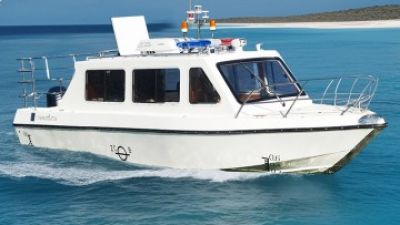
24.6ft Fiberglass Mini Yacht: A Versatile Luxury Cabin Cruiser for Patrol, Fishing, and Adventure
The 24.6-foot fiberglass mini yacht combines practical performance with the comfort of a compact cabin cruiser. Measuring 7.50 meters in length, 2.30 meters in width, and 1.10 meters in depth, it offers a stable and spacious layout for coastal cruising, patrol duties, fishing trips, and weekend adventures. Its 0.42-meter draft allows access to many relatively shallow waterways while maintaining reliable handling on the water.
Designed for up to eight people, including one driver, the boat provides flexible space for family outings, sightseeing, or professional use. With a displacement of approximately 0.45 tons, it is easy to manage while still delivering a confident, balanced ride. The fiberglass construction is well suited to regular marine use, offering a smooth finish and a practical structure for owners who value both appearance and durability.
A total water volume of 3.143 tons supports extended time aboard and adds convenience during outdoor activities. The integrated electric water pump helps improve onboard water handling, making routine operation more efficient. Inside the cabin, passengers can enjoy shelter from changing weather, while the open deck remains suitable for fishing equipment, patrol observation, or relaxing near the coast.
FAQS
Match the hull to local water. A narrow hull tracks sharply on calm lakes. A deeper hull may feel steadier in rough coastal water. No hull works perfectly everywhere.
Test acceleration, fuel use, and low-speed control with realistic passenger loads. Watch the tachometer and temperature gauge. A smooth throttle helps beginners hold a steady line. One speed figure proves little.
No. Predictable control often matters more than maximum speed. Test repeated acceleration, tight turns, and emergency stopping. Heavy passenger movement can expose poor balance. Fast is not always better.
Adjustable ballast and wake plates can refine the wake. They may also increase maintenance needs. Inspect pumps, belts, filters, and wiring access. Convenient access matters.
Check sealed compartments, stainless hardware, drainage paths, and corrosion protection. Saltwater use requires especially careful corrosion checks. Inspect stringers, transom reinforcement, and weight distribution. Small defects can grow.
Request service records, technical manuals, warranty terms, and local parts support. Confirm the electrical system matches local voltage requirements. A helpful dealer may matter more than extra screens. I might undervalue this during an exciting demonstration.
Test seating, storage, visibility, sound levels, and boarding access with actual users. Check whether controls feel natural. Look for shade during long outings. Passengers notice awkward details quickly.
Include trailer dimensions, transport rules, registration documents, delivery fees, fuel use, and service costs. The displayed price is incomplete. Transport can change everything. Review every local requirement carefully.
No. Request a cold start and an independent inspection. Test the boat with typical fuel and passenger loads. Wind, water temperature, and propeller setup affect performance. I would not trust showroom confidence alone.
Conclusion
Choosing the best Ski Boat in 2026 requires more than comparing speed or appearance. A modern model should balance efficient propulsion, a well-designed hull, stable handling, and a wake system suited to different water sports and conditions. Global buyers should compare engine options, fuel efficiency, towing performance, draft, storage capacity, and adaptability for lakes, rivers, and coastal waters. Hull shape and weight distribution are especially important because they influence ride comfort, wake quality, and control in changing conditions.
Safety, comfort, and onboard technology are also central to the buying decision. Buyers should look for reliable navigation tools, clear controls, comfortable seating, secure storage, and practical systems for monitoring engine performance. Beyond the initial purchase, ownership costs may include fuel, maintenance, insurance, transportation, registration, and seasonal storage. Availability of parts, qualified service, warranty coverage, and regional support can significantly affect long-term value. By evaluating performance, usability, safety, total cost, and local requirements together, buyers can select a Ski Boat that fits their water conditions, lifestyle, and international ownership needs.