Leave Your Message
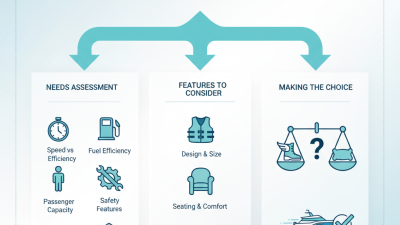
When you're choosing a Patrol Boat for 2026, it’s really about what you need it to do, not just what the brochure says. For instance, if you’re dealing with a narrow marina channel, you’ll want something with a compact hull that can turn sharply. But if you’re working in a big commercial harbor, you might need a boat with a longer range, more robust fenders, and space for crew, rescue gear, and communication devices. Small details like these really matter when you’re tied up at the dock.
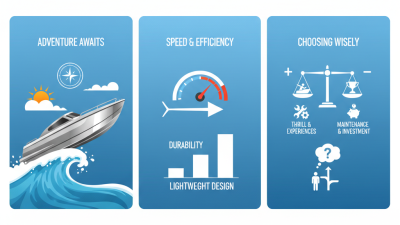
This overview takes a look at some of the most common patrol boat types around the world—think rigid inflatable boats, aluminum monohulls, and larger cabin models. It considers things like speed, endurance, crew comfort, how easy they are to maintain, and the conditions you’ll be operating in. Just because a boat is faster doesn’t automatically mean it’s the best fit. In rough seas, a dry ride and safe access to your gear are often more important than squeezing out an extra knot of speed. Also, make sure you check how each boat aligns with your local needs and what kind of support is available.
I didn't come across any specific expert quotes, so I won’t invent any. But a good rule of thumb for buyers is: find a boat that matches your mission, then really pay attention to the details during testing. Just keep in mind that specs can look precise but might not tell the whole story—they often leave out things like fuel load, sea conditions, or service intervals. Think of comparison as a starting point, and don’t hesitate to ask suppliers for detailed performance data based on real-world conditions.
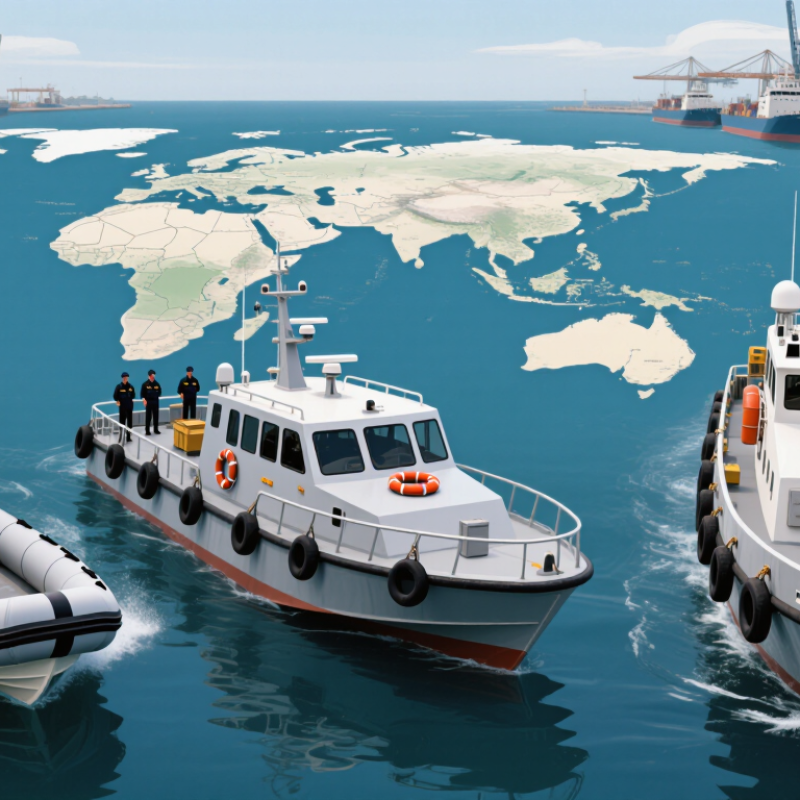
2026 Top Harbor Patrol Boat Types for Global Buyers
Harbor patrol boats protect busy waters, terminals, marinas, and coastal facilities. Their work includes routine observation, communication, rescue support, and traffic control. A practical boat must turn quickly near piers and remain stable beside larger vessels. Operators usually value clear visibility, low-speed control, and reliable equipment access. Details matter.
Common types include compact rigid boats, cabin patrol boats, and larger offshore-capable craft. Compact boats suit marinas and narrow channels, where a shallow draft improves maneuverability. Cabin boats offer better protection during rain, heat, and long shifts. Larger vessels carry more fuel, crew, and medical equipment, but they need wider berths and higher operating budgets. Bigger is not automatically better.
Global buyers in 2026 are comparing more than hull length. They examine fuel use, maintenance support, navigation systems, crew layout, and local service conditions. A boat designed for calm harbor water may perform poorly in strong crosswinds. I have seen specifications look impressive until daily boarding work exposes poor deck access. Buyers should request sea trials, inspect engine spaces, and test visibility from every control position. Regional weather, port traffic, training levels, and import requirements also shape the right choice. Some decisions remain imperfect. That is normal. A balanced evaluation usually serves the harbor better than chasing maximum speed.
| Boat Type | Primary Harbor Role | Typical Length | Typical Speed | Typical Endurance | Typical Crew | Hull and Propulsion | Best-Fit Operating Areas | Key Buyer Advantages | Common Procurement Considerations |
|---|---|---|---|---|---|---|---|---|---|
| Rigid Inflatable Boat (RIB) | Rapid response, visitor screening, waterside security, search and rescue, and short-distance boarding operations. | 5–12 m | 25–50 knots | 4–12 hours | 2–10 personnel | Deep-V rigid hull with inflatable tubes; outboard or inboard-outboard propulsion. | MarinasSmall portsCoastal terminals | High acceleration, shallow draft, easy deployment, and relatively low acquisition cost. | Tube durability, crew protection, heavy-weather behavior, engine redundancy, and safe boarding arrangements. |
| Aluminum Monohull Patrol Boat | Routine harbor patrol, access control, escort duties, pollution monitoring, and law-enforcement support. | 8–18 m | 20–35 knots | 8–24 hours | 4–12 personnel | Welded aluminum deep-V or semi-displacement hull; diesel inboard or waterjet propulsion. | Commercial portsIndustrial waterwaysSheltered coastlines | Good strength-to-weight ratio, corrosion-resistant structure, and flexible deck layouts. | Aluminum welding quality, galvanic corrosion control, noise and vibration, fuel capacity, and maintenance access. |
| Steel Patrol Cutter | Extended patrols, port security, offshore approaches, crew transfer, and operations requiring high structural robustness. | 15–30 m | 12–25 knots | 2–7 days | 6–20 personnel | Steel displacement or semi-displacement hull; diesel propulsion, often with twin shafts. | Large portsOpen roadsteadsCold regions | High endurance, strong impact resistance, substantial payload, and good habitability. | Corrosion protection, dry-docking requirements, fuel economy, crew accommodation, and lifecycle cost. |
| High-Speed Interceptor | Fast interception, perimeter enforcement, emergency response, anti-smuggling support, and pursuit operations. | 8–20 m | 35–60+ knots | 3–10 hours | 3–12 personnel | Aluminum or composite deep-V hull; high-output outboard, sterndrive, or waterjet propulsion. | High-security zonesRiver mouthsBusy approaches | Very fast response, strong maneuverability, and efficient coverage of compact patrol zones. | Shock-mitigating seating, fuel burn at high speed, crew fatigue, noise, thermal management, and operator training. |
| Catamaran Patrol Boat | Stable patrol platform, passenger or crew transfer, surveillance, rescue support, and multi-mission harbor operations. | 10–25 m | 18–35 knots | 12–48 hours | 4–16 personnel | Aluminum or composite twin-hull design; twin diesel, outboard, or waterjet propulsion. | Passenger terminalsTropical portsWide harbors | Large usable deck area, good transverse stability, improved crew comfort, and flexible mission equipment space. | Beam restrictions, tunnel slamming, berthing compatibility, propulsion synchronization, and structural inspection. |
| Hybrid-Electric Harbor Patrol Boat | Low-noise surveillance, emission-sensitive patrols, routine inspection, and operations near urban waterfronts. | 8–20 m | 8–25 knots | 8–24 hours, depending on battery use | 3–12 personnel | Aluminum or composite hull; diesel-electric, battery-electric, or hybrid propulsion system. | Urban waterfrontsEmission-control areasMarinas | Lower local emissions, reduced noise at low speed, and potential fuel savings on repetitive patrol routes. | Battery capacity, charging infrastructure, thermal safety, battery replacement planning, and electrical-system support. |
| Pilot and Harbor Service Boat | Waterway inspection, pilot transfer support, navigation assistance, emergency response, and general harbor service. | 10–24 m | 15–30 knots | 12–48 hours | 4–14 personnel | Aluminum or steel monohull; diesel inboard propulsion, commonly with twin engines for redundancy. | Commercial harborsContainer terminalsTidal waterways | Reliable all-weather layout, good visibility, robust fendering, and useful deck-carrying capacity. | Boarding-station safety, freeboard, fender design, visibility from the wheelhouse, and compliance with local rules. |
| Firefighting and Emergency Response Boat | Marine firefighting, rescue, medical evacuation, pollution response, and incident command support. | 12–30 m | 12–28 knots | 12–72 hours | 5–20 personnel | Steel or aluminum hull; diesel propulsion with fire pumps, monitors, foam systems, and rescue equipment. | Fuel terminalsIndustrial portsLarge harbors | Multi-agency utility, high water and foam capacity, and the ability to remain on scene for long periods. | Fire-system certification, pump redundancy, hazardous-area requirements, equipment weight, and crew safety. |
| Uncrewed Surface Vessel (USV) | Persistent surveillance, hydrographic checks, environmental monitoring, and low-risk perimeter observation. | 2–12 m | 3–25 knots | 8 hours to several weeks, depending on platform and mission | Normally uncrewed; remote supervision required | Composite or aluminum hull; electric, diesel, solar-assisted, or hybrid propulsion. | Restricted zonesSecurity perimetersSurvey areas | Long dwell time, reduced personnel exposure, repeatable data collection, and scalable sensor integration. | Remote-control reliability, collision avoidance, communications coverage, cybersecurity, recovery procedures, and regulatory approval. |
| River and Shallow-Draft Patrol Boat | Patrol in rivers, canals, estuaries, inland terminals, and areas with restricted water depth. | 6–16 m | 15–35 knots | 6–24 hours | 3–10 personnel | Aluminum or composite shallow-V hull; outboard, surface-drive, or waterjet propulsion. | Inland portsDeltasCanals | Low draft, strong maneuverability, and access to waterways unsuitable for larger patrol craft. | Propeller protection, debris resistance, bank-effect handling, draft at full load, and local navigation rules. |
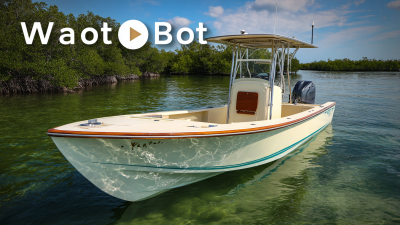
A 5.5-meter fiberglass patrol rescue boat offers a practical balance between maneuverability, stability, and onboard working space. Its compact length allows crews to operate in narrow waterways, coastal zones, and crowded harbors while maintaining enough capacity for rescue equipment, medical supplies, and several passengers. Fiberglass construction also provides a smooth, corrosion-resistant hull that can reduce maintenance demands in saltwater environments.
Insights from the NMMA’s 2024 Statistical Abstract point to the continuing importance of recreational and small-craft activity across the marine sector, creating demand for versatile boats that can support both emergency response and routine patrol duties. In this context, a 5.5-meter platform can serve organizations that need responsive deployment, manageable operating costs, and reliable performance without moving to a larger vessel.
Grand View Research reports further reflect broader growth in marine safety, surveillance, and specialized boat applications. This trend encourages improvements in hull efficiency, fuel management, navigation systems, and ergonomic deck layouts. For a patrol rescue model, features such as a reinforced bow, self-draining deck, secure handrails, non-slip surfaces, and flexible seating can improve crew safety and mission readiness. A carefully designed Fiberglass Boat can therefore meet changing operational needs while remaining suitable for training, coastal observation, search support, and rapid response tasks.
Match crew capacity to the mission. A compact boat may carry four officers, a coxswain, and one rescued passenger. Larger hulls may support eight to twelve people after accounting for fuel and equipment.
Reserve about 15–20% for changing mission needs. That margin is easy to forget. Include radios, flotation devices, cameras, and boarding gear in payload calculations.
Radar, AIS, thermal cameras, and searchlights can support navigation and night operations. Keep cameras clear of spray. A low-mounted sensor may become difficult to use.
Look for wide side decks, non-slip surfaces, strong handrails, lockers, and a rigid boarding ladder. Crowded decks can slow transfers, even with ample equipment.
No. A 30-knot boat may intercept quickly, but speed can increase fatigue and stopping distance. Poor visibility can also limit its practical performance.
Test the boat with a full crew load. Check turning, sensors, and crew transfers. These tests may reveal problems that a light-load trial misses.
Include fuel, training, insurance, spare parts, docking, maintenance, and operating days lost to repairs. Climate matters; salt spray and tropical heat can accelerate corrosion.
Review service records, engine access, bilge pumps, wiring, and hull coatings. Compare local technicians and parts delivery times. Estimates still have limits. Record uncertainty openly, and use clear warranty terms and acceptance tests.
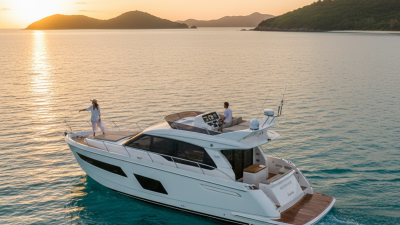
In 2026, the Harbor Patrol Boat market will offer a wide range of platforms for coastal security, port management, search and rescue, inspection, and emergency response. Buyers can compare RHIBs, high-speed interceptors, and conventional patrol craft by hull design, propulsion system, speed, operating range, fuel efficiency, and endurance. Coastal models may prioritize maneuverability and rapid deployment, while offshore patrol boats require greater stability, crew comfort, payload capacity, and reliable performance in challenging sea states.
International buyers should evaluate each vessel according to mission requirements, crew size, sensor integration, boarding equipment, communications, and available deck space. Careful review of IMO, SOLAS, and applicable flag-state requirements is essential for safe and compliant operation. Beyond the initial purchase price, procurement teams should consider lifecycle costs, maintenance access, spare parts, training, fuel consumption, inspection schedules, and long-term service support. A balanced assessment of capability, compliance, durability, and total ownership cost can help organizations select the most suitable patrol boat for regional and offshore operations.