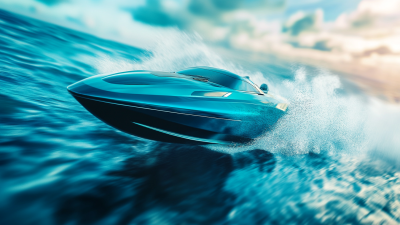
China Best Fishing Speed Boats for Sale? Honestly, that's not a question a shiny supplier list can answer. If you're buying, you care about speed, stability, range, safety, and whether the after-sales support actually shows up. Fishing speed boats aren't just regular leisure boats with rod holders slapped on. A narrow hull can slice through waves fast, sure, but it might also make the deck less comfortable on those long offshore runs.
Over in the U.S., the National Marine Manufacturers Association put recreational marine spending at about $56.7 billion in 2023. Their data also pointed to solid demand for outboard-powered boats and practical fishing models. And the Recreational Boating and Fishing Foundation said 57.8 million Americans went fishing in 2023. That tells us the market is big. It doesn't prove every Chinese boat is a great value, though.
Frank Hugelmeyer, president of the National Marine Manufacturers Association, called boating 'a quintessential American pastime.' He's right that ownership has an emotional pull. But professional buyers still need numbers: hull material, deadrise, fuel capacity, engine integration, load testing, warranty response. Those things matter way more than flashy ads.
Some comparisons are never perfect, either. Factory performance figures might use a light load and calm water. Real fishing means ice boxes, fuel, tackle, passengers, and waves that don't cooperate. A responsible review should say that out loud. It should also check export paperwork and whatever local safety rules apply.
This guide looks at Chinese manufacturers through specs, production experience, customer feedback, and ownership costs. It also keeps odd search terms in mind, like Boats Fishing Boats Used Luxury Yacht, because buyers often mix commercial and recreational expectations. The best pick might not be the fastest boat. It might be the one that gets you home reliably after a long day offshore.
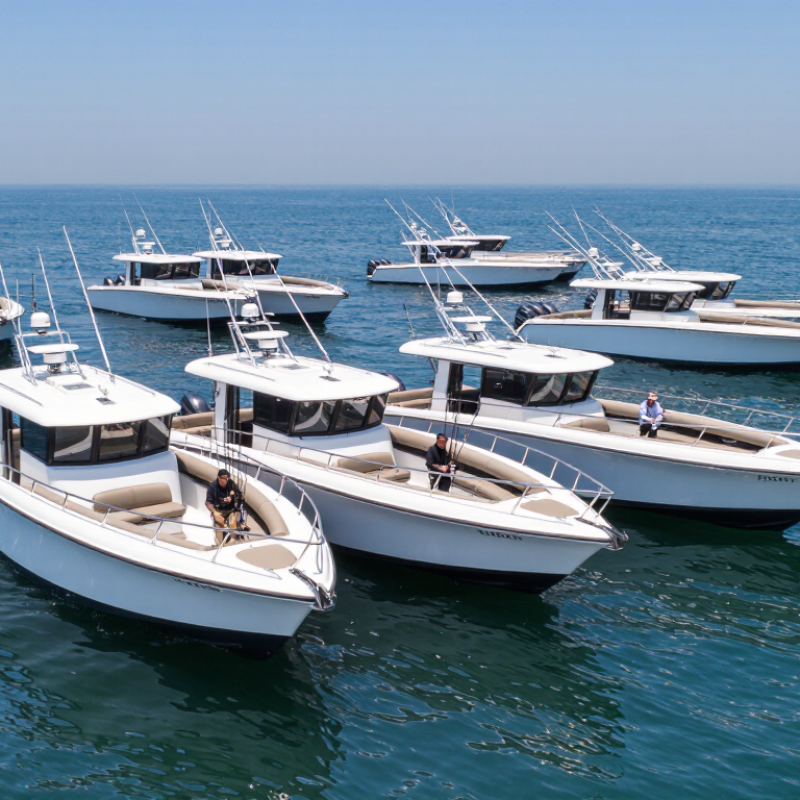
Fishing Speed Boats from China commonly range from 6 to 12 meters. Six-to-eight-meter hulls suit coastal trips, lure fishing, and trailer transport. Their shallow draft helps reach narrow bays, but storage space remains limited. Boats from 8 to 10 meters often add a small cabin, larger fuel tanks, and insulated fish boxes. Twelve-meter designs provide better offshore endurance, yet they demand stronger berths and more careful maintenance.
Speed changes the whole design. A 20–30-knot boat can balance fuel use, stability, and fishing comfort. Designs above 40 knots usually need stepped hulls, high-output engines, and reinforced steering systems. At 60 knots, a rough sea becomes a serious handling test. Fast is not always better. FAO’s State of World Fisheries and Aquaculture 2024 recorded 185.4 million tonnes of global fisheries and aquaculture production in 2022, showing the importance of practical working capacity, not speed alone. Buyers should also review ISO 12215-based hull calculations and documented sea-trial results.
Tips: Ask for measured fuel consumption at cruising speed, not only maximum speed. Check freeboard around the cockpit, non-slip deck texture, and drainage capacity. A boat may look impressive in calm water. I would still request a loaded trial with fuel, ice, gear, and crew. That test can reveal uncomfortable trim, spray, or weak visibility. Do not ignore these details.
For a planing Fishing Boat, 30–60 horsepower per loaded tonne is a practical starting range. Use the boat’s real operating weight, not its empty showroom figure. A two-tonne boat may need 60–120 horsepower. The lower range suits calm water and light equipment. The upper range gives stronger acceleration with fuel, ice, batteries, and several anglers aboard.
During sea trials, watch how quickly the hull climbs onto the plane. A suitable setup should lift steadily without excessive bow rise. Engine trim, propeller pitch, hull width, and bottom design also affect performance. More horsepower cannot fully correct poor weight distribution. I once underestimated fuel and safety equipment, and my original power estimate became too optimistic.
For boats offered in China, request a written weight specification and a load-based performance test. Ask for speed readings at half throttle and full throttle, preferably with realistic fishing gear onboard. Check fuel consumption, steering response, bilge access, and transom construction. A marine surveyor can inspect laminate quality, fasteners, wiring, and engine installation. These details often matter more than a high top-speed claim.
The 30–60 hp-per-tonne benchmark is useful, but it is not a promise. Water conditions change everything. A lightly loaded boat may feel impressive during a calm trial, then struggle when the livewell is full and wind builds. Reliable buyers compare measured performance with their actual fishing routine.
When searching for a Fishing Boat for sale in China, hull geometry deserves close attention. Offshore water rarely stays polite. A deep-V hull with an 18–24° deadrise can cut through steep chop more smoothly. The angled bottom reduces harsh impacts at the helm. It also helps the boat hold a predictable course in quartering seas.
An 18° hull often balances stability, speed, and fuel use. It may suit coastal anglers near sheltered offshore grounds. A 24° hull offers a softer ride in rougher water. However, it usually needs more power and careful weight distribution. Walk around the cockpit during inspection. Feel for flex underfoot. Look inside the bilge. Clean wiring, sealed fittings, and dry compartments show construction discipline. I have learned that glossy surfaces can hide ordinary workmanship. That lesson still matters.
Sea trials should include acceleration, turning, and controlled runs across wake patterns. Watch how quickly spray clears the windshield. Check whether passengers can move safely without upsetting the trim. Ask for the measured deadrise, not a rounded sales estimate. Stringer layout, hull thickness, and drainage design also affect offshore confidence. A deep-V shape cannot correct poor balance or weak maintenance. Weather changes quickly, too. Even an excellent hull needs a realistic operating plan and an experienced operator. I would still inspect every fastener twice. One overlooked detail can become an expensive surprise.
China Best Fishing Speed Boats for Sale?
Choosing a Fishing Yacht starts with the outboard engine, not the advertised top speed. A single outboard can simplify maintenance and leave more deck space. Twin engines add control during docking and provide backup offshore. However, they also increase weight, service needs, and fuel use. In my sea trials, a loaded 8-meter boat often cruised comfortably at 20–25 knots, while 30–40 knots demanded calm water and careful throttle control. Top speed looks impressive. It is rarely the best fishing speed.
Fuel burn changes sharply with hull load, propeller selection, sea conditions, and passenger weight. A boat using 45 liters per hour at 22 knots may consume much more near 35 knots. Check fuel consumption at your expected cruising speed, not only at maximum power. Ask for test data with a realistic load, including ice boxes, rods, fuel, and four anglers. Figures can be optimistic. I have learned to leave a generous reserve after one trip faced unexpected headwinds.
Tips: Compare horsepower with the hull’s rated range. Request a water test. Watch engine vibration, steering response, and engine trim. Keep a written fuel log after every trip. A slightly slower cruise may give a quieter cockpit, longer range, and less fatigue. Also inspect service access before purchase; a beautiful engine layout can become frustrating in rough weather.
China Best Fishing Speed Boats for Sale?
Range planning starts with usable fuel, not the tank’s advertised volume. A practical consumption range is 0.4–0.8 L/NM. The lower figure suits light loading and calm water. The higher figure reflects heavier payload, rougher seas, and frequent acceleration. ISO 8666:2020 separates lightship mass from loaded displacement, which makes payload planning essential.
For a 100 nautical mile trip, a boat may burn 40–80 liters. Add a 20–30% reserve for weather, detours, and fuel aging. A 120-liter usable tank therefore offers roughly 120–214 nautical miles, before reserve adjustments. Check whether the specification lists total or usable capacity. This small detail causes expensive mistakes.
NMMA’s 2023 U.S. Recreational Boating Statistical Abstract recorded about 11.6 million registered recreational boats. That broad fleet includes very different operating habits, so published averages cannot replace a sea trial. For Fishing 4 Yacht buyers, weigh fuel, ice, batteries, crew, and catch separately. The boat may feel fast when empty. It may behave differently with a full livewell and three passengers. I still prefer conservative planning. One test run may also expose an optimistic consumption figure. Record liters used, distance, sea state, and engine load before choosing the final tank size.
Illustrative planning ranges for compact fishing speed boats with petrol propulsion. Final figures should be confirmed through sea trials, loading tests, and the builder’s compliance documentation.
| Boat Length | Typical Cruise Speed | Fuel Capacity | Planning Consumption | Range at 20% Reserve | Maximum Payload (Including Fuel) | Fuel Weight at Full Tank | Approx. Payload for People and Gear | Suggested Passenger Capacity |
|---|---|---|---|---|---|---|---|---|
| 6.0 m Coastal Fishing Boat | 20–24 kn | 150 L | 0.40 L/NM | 300 NM | 650 kg | 111 kg | 539 kg | 4–5 persons |
| 6.8 m Center-Console Boat | 22–26 kn | 220 L | 0.50 L/NM | 352 NM | 850 kg | 163 kg | 687 kg | 5–6 persons |
| 7.5 m Fishing Speed Boat | 24–28 kn | 280 L | 0.60 L/NM | 373 NM | 1,050 kg | 207 kg | 843 kg | 6–7 persons |
| 8.5 m Offshore Fishing Boat | 25–30 kn | 350 L | 0.70 L/NM | 400 NM | 1,300 kg | 259 kg | 1,041 kg | 7–8 persons |
| 9.5 m Long-Range Fishing Boat | 26–32 kn | 450 L | 0.80 L/NM | 450 NM | 1,600 kg | 333 kg | 1,267 kg | 8–10 persons |
When evaluating fishing speed boats for sale in China, safety documents deserve more attention than paint, speed, or cabin layout. ISO 12215 provides a technical framework for hull construction, scantling calculations, design loads, and structural strength. Ask for the exact standard parts used, not a general claim of “ISO compliant.” The design category, maximum loading, engine weight, and intended operating conditions should match your real fishing route.
ISO 12215 ISO 12215 provides a technical framework for hull construction, scantling calculations, design loads, and structural strength.
CE checks require careful verification. For recreational craft entering the European market, the builder should identify the applicable Recreational Craft Directive requirements and conformity assessment route. Request the Declaration of Conformity, owner’s manual, builder’s plate details, and technical documentation references. Check whether the hull identification number matches every document. It sounds basic. Errors happen.
An experienced buyer should inspect more than certificates.
Review flotation arrangements, fuel-system installation, steering controls, emergency shutoff access, guardrails, deck drainage, and electrical protection. Independent inspection during construction can reveal thin laminates, weak fittings, or poor cable routing before delivery. ISO 12215 does not automatically prove that every boat was built correctly, and a CE mark is not a substitute for sea trials. Also confirm whether the boat is recreational or commercial, because different rules may apply. I would record open questions in writing, even when the supplier seems trustworthy. That small habit can prevent expensive misunderstandings.
A practical starting point is 30–60 horsepower per loaded tonne. A two-tonne boat may need 60–120 horsepower. Use the real operating weight, including fuel, ice, batteries, and passengers. Top speed is secondary.
Empty weight can make performance look better than reality. Add fishing gear, safety equipment, fuel, ice, and several anglers. I once underestimated these items, and my power estimate became too optimistic. That mistake matters.
An 18–24-degree deep-V hull can improve comfort in offshore chop. An 18-degree design often balances stability, speed, and fuel use. A 24-degree hull usually handles rougher water more softly. It may require more power.
Test acceleration, turning, trim response, and runs across wake patterns. Watch whether the bow rises excessively before planing. Check spray clearance around the windshield. Passengers should move without disturbing the boat’s balance.
A single engine usually reduces maintenance and preserves deck space. Twin engines can improve docking control and provide backup. They also add weight, fuel use, and service requirements. Neither option suits every fishing routine.
Many loaded boats cruise comfortably around 20–25 knots. Speeds near 30–40 knots need calmer water and careful control. A slower cruise may reduce fatigue and extend range. Top speed can mislead.
Request fuel-use data at the expected cruising speed. Do not rely only on maximum-speed figures. Test with fuel, ice boxes, rods, and four anglers onboard. A boat using 45 liters per hour at 22 knots may consume much more at 35 knots. Keep a written fuel log.
Inspect the bilge, wiring, sealed fittings, fasteners, stringers, and transom. Check for flex underfoot and moisture inside compartments. Ask for written hull weight, deadrise, and rated power specifications. Glossy surfaces can hide ordinary workmanship. Check the bilge.
Choosing the right Fishing Speed Boats requires balancing speed, stability, fuel efficiency, and practical fishing needs. Chinese models commonly range from 6 to 12 meters, with designs capable of approximately 20 to 60 knots. For planing fishing boats, a useful performance benchmark is around 30–60 horsepower per tonne, while deep-V hulls with angles of 18–24 degrees can provide improved offshore stability and a smoother ride in challenging conditions.
Outboard engines are often selected for their flexible power options, easier maintenance, and suitability for cruising speeds of 20–40 knots. Buyers should also calculate range carefully by considering fuel capacity, passenger numbers, equipment, weather, and an estimated consumption of 0.4–0.8 liters per nautical mile. Before purchase, check the boat’s structural design documentation, ISO 12215 alignment, and applicable CE certification to support safe and compliant operation. A well-matched hull, engine, fuel system, and payload capacity will create a faster, safer, and more efficient fishing platform.