Leave Your Message
0%

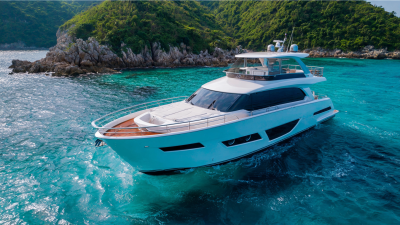
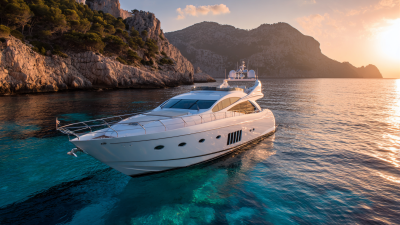
So, China’s yacht industry isn’t just doing contract manufacturing anymore—it’s shifting toward full, export-ready Yacht Boat solutions. These days, buyers really dig into the engineering, the certifications, after-sales support, and whether delivery actually happens on time. Just looking good? Yeah, that’s not enough anymore.

So, according to the SuperYacht Times Global Order Book 2025, there were 1,138 yachts being built around the world. That's a pretty strong sign that demand is still holding up—especially for fuel-efficient Motor Yachts and catamarans. The ICOMIA Recreational Boating Statistical Abstract points to the same trend: more people are getting into recreational boating globally. And China is right in the middle of that shift. Its factories are increasingly blending things like composite molding, aluminum fabrication, digital navigation, and custom interiors.

If you talk to people in the industry, they’ll tell you the same thing: design has to be practical. As yacht designer Ron Holland put it, “A yacht should be designed around the way people live.” And honestly, that idea really comes into play when you’re comparing Horizon Yacht, Heysea Yachts, Cheoy Lee, Aquila Power Catamarans, and other builders from China. Each one caters to different waters, budgets, and ideas about what ownership should look like. Some, for example, are all about long-range cruising. Meanwhile, other folks develop a Boat High Speed Boat — mainly for coastal performance and those tight, compact marinas.

So, this article takes a look at ten of the top Chinese manufacturers that global buyers might want to know about. We're weighing things like build quality, how much production experience they have, the range of models, propulsion systems, certification support, and export service. Now, it's not a perfect assessment—far from it. Public data can vary quite a bit from one company to another, and whatever a factory claims still needs checking. Buyers should dig into the specs, sea-trial records, warranty terms, and how responsive the dealer is. After all, a shiny showroom can easily hide real practical weaknesses. You know, when it really comes down to it, taking the time to compare things carefully? Still essential.
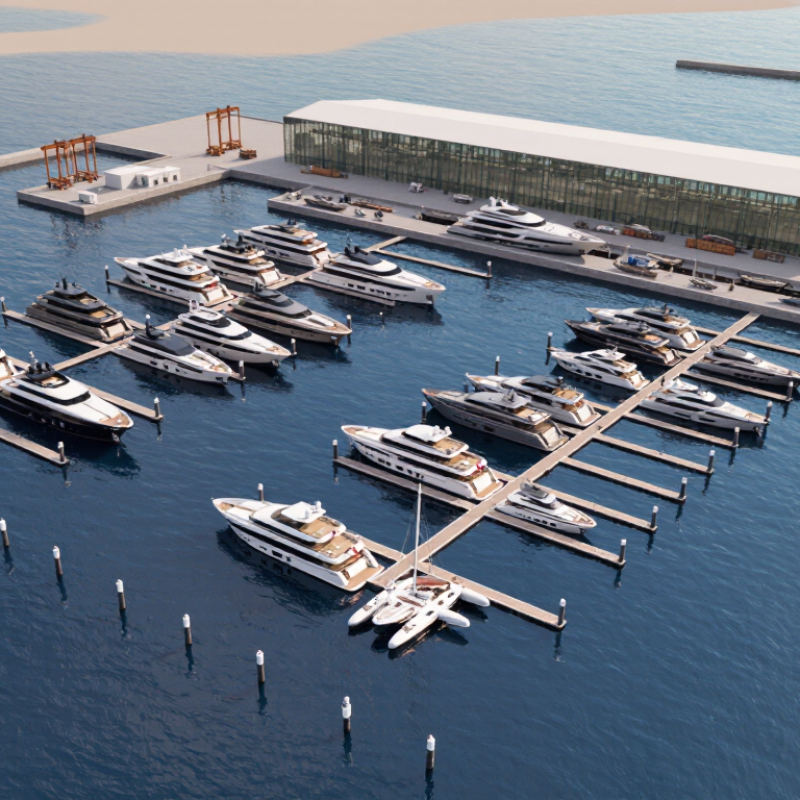
China Top 10 Yacht Boat Manufacturers for Global Buyers

China’s Yacht Manufacturing Industry at a Glance

China’s yacht manufacturing industry has grown from small coastal workshops into a broad export network. Production is concentrated near major ports, where fiberglass, aluminum, engines, electronics, and interior suppliers operate close together. This structure helps manufacturers control costs and shorten delivery schedules.

The market includes compact fishing boats, Luxury Yachts, sailing vessels, and the popularSports Boat High Speed Boat category. Many factories now use computer-aided design, vacuum infusion, and digital cutting equipment. These methods can improve hull consistency and reduce material waste.

Skilled technicians still matter, especially during lamination, wiring, and water testing. Machines do not solve every problem.

For global buyers, a factory’s real capability should be checked beyond catalog images. Review hull materials, engine installation records, load testing, electrical protection, and inspection documents. Ask for recent production photos and sea-trial evidence. Export experience also affects documentation, packaging, spare parts, and after-sales communication.

Quality varies. Some workshops still depend heavily on manual processes, which can create uneven finishing or delayed repairs. That weakness deserves honest attention. A reliable supplier should explain limitations clearly, provide traceable quality records, and accept independent inspection before shipment.

The strongest candidates among China’s top manufacturers are not always the largest. They are the companies that combine practical experience, stable suppliers, responsive engineering teams, and repeatable testing procedures. Deliveries can still face delays during peak seasons. Careful planning remains necessary.

How to Evaluate China’s Leading Yacht Boat Manufacturers

Evaluating China’s yacht boat manufacturers requires more than comparing catalogue prices. ICOMIA’s 2024 Global Recreational Boating Statistical Abstract records about 11.6 million registered recreational boats in the United States. That demand rewards builders with stable export systems. Ask for hull design files, material certificates, production photos, and completed sea-trial records. A polished showroom proves little.

Check compliance with ISO 12215 for hull construction and ISO 12217 for stability assessment. Confirm whether the boat carries the required conformity documents for its destination market. The 2024 Global Order Book reported more than 1,100 yachts under construction or on order worldwide. This figure shows strong demand, but it does not prove every factory can deliver consistent quality. Review the manufacturer’s annual output, welding procedures, lamination controls, and independent inspection records. Pay attention to small details: sealed wiring terminals, bilge access, fuel-tank inspection ports, and neatly labelled breakers.

After-sales support often separates a reliable supplier from an attractive one. Request a written warranty, spare-parts list, response times, and remote troubleshooting procedures. Speak with at least two previous overseas buyers, not only references selected by the factory. I would also inspect one finished boat after a cold start and a rough-water trial. My judgement may still be imperfect. Factory visits can create false confidence. Independent surveyors and staged payments reduce that risk. A lower quote can hide weaker hardware, longer delivery, or expensive replacement parts.

Top 10 Chinese Yacht Boat Manufacturers for Global Buyers

Top 10 Chinese Yacht Boat Manufacturers for Global Buyers

The Top 10 Chinese Yacht Boat Manufacturers for Global Buyers should be judged by evidence, not showroom shine. Clarkson Research reported that China produced about half of global commercial shipbuilding output by compensated gross tonnage in 2023. This figure does not measure yachts directly, but it shows strong industrial capacity, supplier depth, and export experience. Buyers should still examine each manufacturer’s recreational-boat history.

A reliable comparison should include hull materials, welding quality, engine integration, and sea-trial records. Grand View Research estimates that the global recreational boating market will continue growing through the decade. Chinese builders are responding with fiberglass cruisers, aluminum workboats, sport boats, and customized interiors. Ask for production photographs, independent inspection reports, and documented delivery records. Factory size alone proves little.

Service remains the difficult detail. Confirm spare-part access, warranty response times, and local technician training before signing. A small defect around a hatch or fuel system can become expensive after ocean transport. Classification approval may also vary by vessel type and destination. My own ranking would leave room for revision, because public data rarely separates yacht output from wider shipbuilding. That uncertainty deserves honest attention.

China Top 10 Yacht Boat Manufacturers for Global Buyers

This buyer-oriented chart highlights the main criteria commonly used when evaluating Chinese yacht and boat manufacturers. The figures are an indicative procurement benchmark, not company or brand rankings.

Higher values indicate greater importance during international yacht sourcing and supplier evaluation.

Key Yacht Types, Materials, and Technologies Offered

China’s top yacht boat manufacturers increasingly serve global buyers with varied hulls, materials, and onboard systems. Common options include flybridge yachts, sport yachts, catamarans, expedition vessels, and compact day boats. Fortune Business Insights valued the global recreational boating market at about USD 23.67 billion in 2024. That demand encourages flexible production, but specifications still require careful verification.

Fiberglass remains popular because it offers corrosion resistance, repeatable molding, and manageable maintenance. Aluminum suits expedition designs, especially where lighter weight and rugged service matter. Carbon fiber appears in performance components, masts, and selected superstructures. It reduces weight, but repair expertise may be limited in some ports. No material is perfect.

Current technology packages often include hybrid propulsion, lithium battery banks, digital switching, joystick docking, satellite communications, and integrated navigation displays. The International Council of Marine Industry Associations reported continuing growth in electric and hybrid boating solutions in its recent industry studies. However, range depends heavily on hull efficiency, sea conditions, and hotel loads. A quiet harbor trial can hide weaknesses.

For buyers searching “Yacht Boat Luxury Yacht,” the best comparison should examine cruising range, tank capacity, fuel economy, noise levels, warranty response, and certification documentation. Grand View Research projects steady recreational boating market growth through 2030, yet published forecasts vary by methodology. That uncertainty deserves attention. A polished brochure is not sea-trial evidence. Ask for loading data, maintenance records, and independent inspection before selecting a supplier.

Quality Standards, Customization, and Production Capabilities

China Top 10 Yacht Boat Manufacturers for Global Buyers

For global buyers, quality begins with documented production controls, not polished showroom photos. Leading Chinese yacht boat manufacturers usually track fiberglass curing, welding, wiring, and engine installation through inspection records. Buyers should request material certificates, tank testing results, and sea-trial reports before approving shipment. Independent inspections can verify hull alignment, moisture levels, electrical safety, and emergency equipment. Small details matter.

Customization should remain practical. A capable yard can adjust cabin layouts, deck furniture, lighting, navigation systems, and upholstery for different markets. It should also explain how each change affects weight, stability, delivery time, and maintenance. The phrase Yacht Luxury Boat Yacht may attract attention, but construction quality determines long-term value. Clear drawings and approved samples reduce costly misunderstandings. Keep every revision traceable.

Production capability is easier to judge through evidence. Ask about monthly output, workforce training, covered assembly areas, mold storage, and supplier control. A reliable manufacturer can provide progress photos, testing schedules, spare-parts plans, and after-sales contact procedures. Some factories promise aggressive delivery dates. That deserves careful questioning. No production line is perfect. Even experienced teams can overlook a cable route or finish defect during a rushed inspection. Buyers should allow time for corrective work, final commissioning, and an honest sea trial before accepting the yacht.

China Top 10 Yacht Boat Manufacturers for Global Buyers - Quality Standards, Customization, and Production Capabilities

Rank Anonymized Manufacturer Profile Primary Product Focus Typical Length Range Main Construction Materials Relevant Quality Standards Customization Capability Production Capability Export Readiness
1 Profile A — Premium Composite Yacht Builder Luxury motor yachts and flybridge yachts 15–30 m Fiberglass-reinforced plastic, carbon-fiber components, marine-grade aluminum ISO 12215, ISO 10087, CE Recreational Craft Directive where applicable High; interior layouts, propulsion packages, deck plans, finishes, and electronics Project-based semi-custom production; tooling required for new hull designs Export documentation, sea-trial support, and classification coordination should be confirmed per project
2 Profile B — Aluminum Expedition Yacht Builder Long-range expedition and workboat-style yachts 18–40 m Marine-grade aluminum alloys, stainless steel, composite interior modules ISO 12215, ISO 16315 for electric propulsion where applicable, flag-state requirements High; tank arrangements, range, crew areas, stabilization, and mission equipment Low-volume custom construction with project-specific engineering International shipment and commissioning generally require coordinated technical files
3 Profile C — Mid-Size Fiberglass Yacht Producer Cabin cruisers, sport yachts, and family motorboats 8–18 m Hand-laid or vacuum-infused fiberglass, marine plywood, aluminum fittings ISO 12215, ISO 10087, CE marking requirements for applicable markets Medium to high; upholstery, cabin plans, engines, navigation systems, and paint schemes Repeatable series production with optional configuration packages Suitable for dealer and distributor channels; local service arrangements should be checked
4 Profile D — High-Speed Performance Boat Builder Performance boats, center consoles, and offshore craft 7–15 m Fiberglass composites, carbon reinforcements, marine-grade stainless steel ISO 12215, ISO 11592 for high-speed craft where applicable, CE requirements Medium; hull colors, seating, outboard packages, consoles, and electronic systems Mold-based repeat production with options for performance specifications Export packing, engine installation, and regional compliance documentation should be verified
5 Profile E — Catamaran and Multihull Specialist Power catamarans, sailing catamarans, and charter vessels 10–24 m Fiberglass composites, foam sandwich panels, aluminum or steel structural parts ISO 12215, ISO 8666 dimensional standards, CE requirements for applicable craft High; accommodation plans, solar systems, batteries, charter layouts, and propulsion Series construction with substantial owner or charter-operator options Global delivery is feasible, but transport width, draft, and commissioning must be planned early
6 Profile F — Electric and Hybrid Boat Developer Electric launches, hybrid cruisers, and low-emission vessels 6–16 m Fiberglass composites, aluminum, lithium battery systems, copper electrical conductors ISO 16315, ISO 10133, ISO 13297, and applicable battery and EMC requirements Medium to high; battery capacity, charging interfaces, solar arrays, and interior layouts Pilot and small-series production; battery supply-chain validation is essential Requires clear battery transport, service, warranty, and local electrical compliance procedures
7 Profile G — Commercial and Passenger Vessel Builder Passenger boats, patrol craft, ferries, and utility vessels 12–35 m Marine aluminum, steel, fiberglass composites, fire-rated interior materials IMO and flag-state rules where applicable, ISO standards, classification-society requirements High; passenger capacity, accessibility, safety systems, propulsion, and mission equipment Engineering-to-order construction with documented inspection milestones Requires formal compliance review, inspection records, and destination-country approval
8 Profile H — OEM and Private-Label Boat Manufacturer Small yachts, fishing boats, tenders, and dealer-brand models 5–12 m Fiberglass composites, aluminum, stainless steel, marine vinyl and foam ISO 12215, ISO 10087, CE requirements, and destination-market labeling rules High for branding, colors, upholstery, consoles, accessories, and packaging Batch production with mold-sharing and specification-control procedures Well suited to container or consolidated shipment; manuals and spare-parts support are important
9 Profile I — Rigid Inflatable Boat Manufacturer RIBs, rescue boats, dive boats, and yacht tenders 4–12 m Hypalon or PVC tubes, fiberglass or aluminum hulls, stainless steel fittings ISO 6185, ISO 12215, ISO 10087, and CE requirements where applicable Medium to high; tube colors, consoles, seating, engines, navigation, and rescue equipment Repeatable small-series production with flexible accessory configuration Suitable for international distribution; tube materials, repair kits, and spare parts should be specified
10 Profile J — Custom Refit and One-Off Yacht Shipyard Refits, conversions, custom yachts, and restoration projects 12–45 m Steel, aluminum, fiberglass, teak, carbon composites, and mixed-material systems Flag-state rules, classification-society standards, ISO standards, and equipment-specific approvals Very high; structural changes, interior rebuilding, propulsion upgrades, and systems integration Low-volume, engineering-intensive work with individually approved project schedules International refit support depends on documentation, classification access, and after-sales network

Note: The profiles above are anonymized capability categories for global buyer comparison. Actual certification, dimensions, production volume, delivery time, and export eligibility must be verified against the selected manufacturer's current technical documents, factory audit, and destination-market regulations.

Export Services, Pricing Factors, and Buyer Considerations

China’s top ten yacht boat manufacturers can differ greatly in export support, even when their product photos look similar. Experienced buyers should request factory profiles, production videos, quality records, and recent export references. A reliable supplier explains Incoterms, packaging, loading procedures, and customs documents without vague promises. Ask for a clear warranty process. Written details matter.

Pricing depends on hull material, engine power, electronics, interior fittings, tooling, and order volume. Freight can also change the final cost substantially. A compact Rc Yacht Boat may seem inexpensive, but remote-control systems, battery quality, waterproofing, and spare parts affect long-term value. Request a price breakdown. Compare the same specifications, not only the headline quotation. A low quote can hide missing equipment or weak after-sales support.

Buyer inspections should check welding, paint thickness, cabin seals, steering response, and emergency equipment. For larger vessels, arrange a pre-shipment inspection and sea trial with documented results. Export services should include safe crating, moisture protection, spare-part lists, and responsive technical communication. Confirm production timelines in writing, including approval stages for drawings and colors. Payment milestones should match measurable progress. I would not rely only on polished showroom visits; factories can present better than they operate. That is an uncomfortable but useful thought. Ask what happens when a component fails after delivery, and test the answer before paying.

FAQS

How can buyers evaluate a yacht manufacturer beyond catalogue prices?

Request hull drawings, material certificates, production photos, and completed sea-trial records. Showrooms can mislead. Review documented evidence instead.

Which construction standards should buyers check?

Confirm compliance with international hull construction and stability standards. Verify conformity documents for the destination market. Missing paperwork creates avoidable delays.

What production records reveal consistent quality?

Ask for welding procedures, fiberglass curing records, lamination controls, and independent inspection reports. Check annual output and workforce training.

Which small details deserve inspection?

Inspect sealed wiring terminals, accessible bilges, fuel-tank inspection ports, and clearly labelled breakers. Small defects become expensive later.

How should buyers assess customization options?

Request drawings for cabin layouts, deck furniture, lighting, navigation systems, and upholstery. Confirm how changes affect weight, stability, maintenance, and delivery.

What evidence can confirm real production capability?

Ask about monthly output, covered assembly areas, mold storage, supplier control, and progress reporting. A promised delivery date needs supporting details.

How important are after-sales services?

Request a written warranty, spare-parts list, response times, and remote troubleshooting procedures. Speak with at least two overseas buyers.

Should buyers use independent inspections?

Yes. An independent surveyor can check hull alignment, moisture, wiring, emergency equipment, and finish quality. Factory visits alone may create false confidence.

What should happen before final acceptance?

Allow time for corrective work, commissioning, and a rough-water sea trial. Complete a cold-start inspection. My judgment can still be wrong.

Can a lower quotation indicate better value?

Not always. It may hide weaker hardware, longer delivery, or costly replacement parts. Compare full ownership costs, not only the initial price.

Conclusion

China’s yacht manufacturing industry has developed into a competitive sector serving buyers across many international markets. This overview explains how to evaluate leading Yacht Boat manufacturers by examining design expertise, production experience, material selection, workmanship, quality control, certifications, and after-sales support. It also presents ten representative categories of Chinese manufacturers without focusing on specific brand names, helping global buyers compare suppliers according to their project requirements, budgets, and intended use.

The article further explores popular yacht types, including leisure, fishing, luxury, and customized vessels, as well as commonly used materials and modern technologies. It highlights manufacturing capacity, customization options, inspection procedures, export services, delivery arrangements, and the main factors that influence pricing. By considering communication, warranty terms, compliance with destination-market requirements, and long-term maintenance support, buyers can make more informed and reliable purchasing decisions when sourcing a Yacht Boat from China.

Alexander

Alexander

Alexander is a dedicated marketing professional at Jiujiang Flit Boating Co., Ltd., which has been a prominent player in the marine industry since its establishment in 2008. With a keen understanding of our diverse product range—including speed boats, luxury yachts, passenger boats, patrol boats,......
Previous How to Choose the Best Fiberglass Boat in 2026