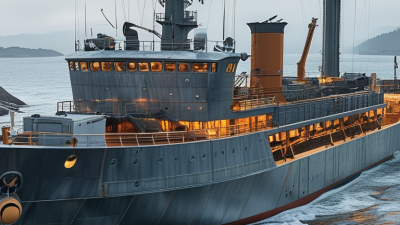
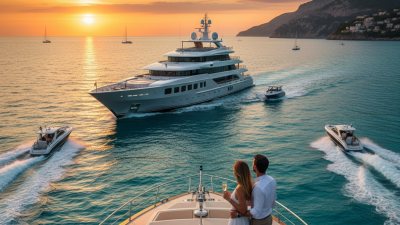
Choosing the best Fiberglass Boat in 2026 requires more than comparing glossy photos and advertised horsepower. A dependable choice begins with real use. Will it handle coastal chop, quiet lakes, fishing trips, or family weekends? A twenty-foot center console may feel stable at the dealer, yet behave differently with four passengers, fuel, and cooler weight onboard. Inspect the hull carefully. Look for clean gelcoat, consistent laminate, sealed fittings, and dry storage compartments. Small cracks around cleats or stress points deserve attention. They may be cosmetic, but they may also reveal movement beneath the surface.
Experienced owners often recommend a professional marine survey before purchase. That advice remains practical, especially for used boats. Review maintenance records, engine hours, trailer condition, and previous repairs. Confirm that safety equipment and electrical systems meet current manufacturer guidance and recognized marine standards. Brands such as Boston Whaler, Grady-White, and Sea Ray offer different layouts, construction approaches, and support networks. A reputable dealer should explain limitations, not only selling points. Ask about warranty coverage, parts availability, and local service response.
Details matter.
Still, no buyer evaluates everything perfectly. I might focus too heavily on hull strength and overlook uncomfortable seating. Another buyer may admire a powerful engine while underestimating fuel costs. Reconsidering those assumptions is part of a responsible decision. The best Fiberglass Boat balances safety, comfort, performance, maintenance, and long-term value. It should fit your water, your skills, and your honest budget.
Define Your Fiberglass Boat Needs and Intended Use
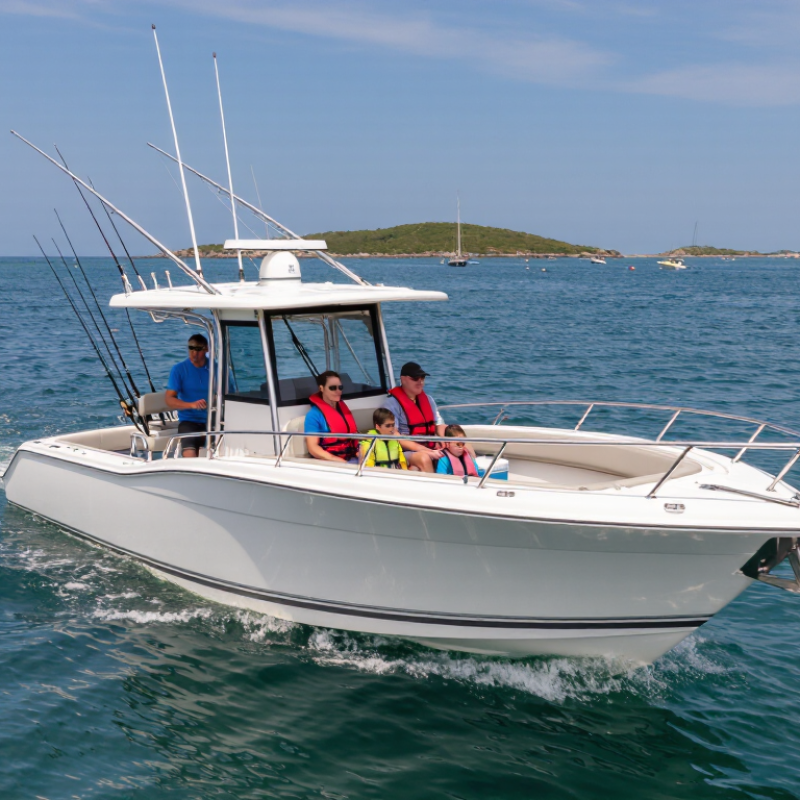
Choosing the best fiberglass boat in 2026 starts with defining how you will actually use it. A Fiberglass Fish Boat suits anglers who need stability, easy cleaning, and organized storage. However, a family boat may require wider seating, safer handrails, and better shade coverage. Think beyond the showroom. Will you launch from a ramp, trailer long distances, or keep the boat in saltwater? Each answer affects hull design, maintenance, and equipment choices.
Write down your usual trip. A quiet morning on a small lake demands less power than offshore fishing. Measure your storage area before selecting the boat. Check the maximum length, beam, fuel capacity, and passenger rating carefully. During inspections, tap the hull gently and look for cracks, uneven repairs, or soft deck areas. I once focused too heavily on engine size and overlooked uncomfortable seating. That mistake changed my view of practical boat selection.
Tips:
Bring the heaviest intended gear when testing space. Sit in every seat. Open each compartment. Confirm that rods, coolers, life jackets, and tools fit without blocking movement. Ask a qualified marine surveyor to inspect used boats, especially around transoms and stringers. Fiberglass can look clean while hiding moisture damage. Consider your real maintenance time, not your ideal schedule. A beautiful boat may become frustrating if cleaning, storage, and launching feel difficult every weekend.
Compare Hull Designs, Sizes, and Passenger Capacities
Choosing a fiberglass boat in 2026 starts with matching the hull to real water conditions. A deep-V hull cuts through choppy offshore waves, but it usually needs more power and fuel. A modified-V hull offers a calmer compromise for bays, rivers, and occasional coastal trips. A flat-bottom hull feels stable at rest, yet it can pound hard in rough water. I learned this after comparing ride comfort beside a windy marina. Looks can mislead.
For a Speed Boat Fiberglass model, inspect the transom, stringers, and deck bonding carefully. Solid construction should feel firm underfoot, without soft spots or sharp flexing. Ask for documented load ratings, flotation details, and a professional inspection before purchase. Do not treat the maximum passenger number as a comfortable cruising target. Four adults with coolers need more room than four adults carrying only phones. A practical capacity leaves space for movement, storage, and emergency gear. I once underestimated cockpit space; the boat handled safely, but everyone sat shoulder to shoulder. That mistake still influences my recommendations.
Size should follow your launch site, storage limits, and typical passenger group. A 16-foot boat is easier to trailer, while a 20-foot hull often tracks better offshore. However, larger boats demand deeper ramps, stronger tow vehicles, and higher maintenance budgets. Measure the cockpit, not just the overall length. Seat width and freeboard matter when children or older passengers come aboard. A boat may carry six people legally, but four could be the wiser everyday limit.
Evaluate Construction Quality, Materials, and Durability
How to Choose the Best Fiberglass Boat in 2026
Evaluate Construction Quality, Materials, and Durability
When inspecting a fiberglass boat, study the hull in strong daylight. Uneven color can reveal repairs, fading, or resin problems. Run your hand across the surface. It should feel firm, smooth, and consistent. Look for blisters, cracks around fittings, and soft areas underfoot. Tap the hull lightly with a plastic handle. A clear, similar sound usually suggests sound laminate, while dull spots deserve closer testing. Do not rely on appearance alone.
Construction materials matter beyond the outer fiberglass skin. Ask whether the hull uses solid laminate, foam core, or balsa core. Each option has different weight, stiffness, and moisture risks. A moisture meter can help, although readings vary with temperature and surface coatings. A qualified marine surveyor can interpret those results more accurately. Resin quality, glass orientation, and bonding methods also affect long-term strength. Inspect stringers, bulkheads, and deck joints for gaps or movement.
Hardware often exposes weak construction. Check cleats, rails, hinges, and engine mounts for flexible bedding or rust-stained fasteners. Water entering these points can damage hidden core material.
I once overlooked a slightly loose deck fitting during a rushed inspection. Later, trapped moisture caused a costly repair. That mistake still influences my checks.
Durability is not only about a thick hull. It also depends on drainage, ventilation, maintenance records, and careful reinforcement around high-load areas. Service history is useful, but physical evidence matters more.
Review Engines, Fuel Efficiency, and Performance
How to Choose the Best Fiberglass Boat in 2026
Engine choice shapes every trip. During sea trials, listen for uneven idling, delayed throttle response, or excessive vibration. A smooth engine is not automatically efficient, but rough operation deserves careful investigation. Match engine power to the hull, expected passenger load, and usual water conditions. An oversized engine may deliver thrilling acceleration, yet it can increase fuel use and maintenance costs.
Fuel efficiency should be measured on the water, not copied from a brochure. Record fuel consumption at cruising speed, then repeat the test with several passengers and fishing equipment onboard. Smaller engines often save fuel, but underpowered boats may work harder in waves. That trade-off is easy to overlook. Check the fuel tank, accessible filters, cooling system, and service records. Practical access can matter more than a polished dashboard.
Performance includes handling, stopping distance, noise, and comfort. Fiberglass hulls can feel stable, but weight distribution changes their response. Take sharp turns carefully and observe how quickly the boat settles after crossing wake. A boat that feels impressive for ten minutes may become tiring after two hours. I once underestimated seat support during a short trial; longer trips exposed the mistake. Weather, water temperature, and loading conditions can also alter results. Leave room for doubt, and test the boat in conditions close to your real use.
How to Choose the Best Fiberglass Boat in 2026
Typical published specification ranges for popular fiberglass boat layouts. Compare engine power, cruising performance, and fuel efficiency before choosing a boat.
Fuel efficiency is shown as nautical miles per gallon at a normal cruising speed. Actual results vary with hull design, load, sea conditions, propeller selection, and engine setup.
Check Safety Features, Comfort, and Onboard Equipment
Choosing the best Yacht Boat Fiberglass model in 2026 requires more than comparing length and appearance. Start with safety. Inspect the hull for solid construction, clean joins, and signs of moisture damage. Ask whether the boat includes flotation materials, strong handrails, non-slip flooring, and properly mounted navigation lights. A reliable bilge pump matters when rainwater collects below deck. Check the fire extinguisher, fuel lines, electrical wiring, and emergency shutoff system before purchase. Do not trust glossy photos alone.
Comfort becomes important during long trips. Sit in every passenger seat and test the steering position. Your knees should not press against the console. Look for dry storage, shaded seating, ventilation, and enough space to move safely around the cabin. A soft seat is helpful, but poor airflow can make a warm afternoon miserable. Small details matter.
Onboard equipment should match your real boating habits. Useful features may include a depth finder, marine radio, battery monitor, anchor locker, freshwater system, and secure life-jacket storage. Test switches, screens, pumps, and lights in person. Bring an experienced marine surveyor if possible. Their inspection can reveal weak fittings or careless wiring. I would still leave room for doubt; every boat has compromises. A wider deck may reduce cabin space, while extra equipment can increase maintenance. Choose the setup you can operate confidently and maintain regularly.
Calculate Ownership Costs, Maintenance, and Long-Term Value
Buying a fiberglass boat in 2026 should begin with ownership math, not glossy photos. A Fiberglass Speed Boat may cost $45,000, yet the purchase price is only the first line. Add registration, insurance, trailer storage, fuel, and financing interest. Ask a qualified marine surveyor to inspect the hull, deck, transom, and electrical system before signing. I have seen buyers miss soft deck areas because the surface looked perfect. That mistake becomes expensive.
Build an annual budget using real local prices. Routine service may include engine oil, filters, belts, anodes, propeller checks, and safety equipment. Budget roughly 2% to 5% of the boat’s value for maintenance, then increase it for saltwater use or heavy hours. A covered berth can protect upholstery and instruments, but its monthly fee may exceed seasonal repair costs. Track every invoice. Fuel deserves its own line; a fast hull can consume far more during repeated acceleration. A simple spreadsheet with hours, fuel volume, and repairs reveals the true cost per outing.
Long-term value depends on condition, documentation, layout, and demand, not speed alone. Keep service records, wash salt away, dry compartments, and replace worn seals early. Professional winterization matters in freezing climates. I would test resale assumptions against recent local listings, because optimistic estimates age badly. Some upgrades add comfort but recover little money. Electronics may become outdated within a few seasons. A clean, structurally sound boat with honest records usually attracts more serious buyers. Leave room for surprises. Even careful owners face a failed pump or cracked fitting.
7.5m Aluminum Deep-V Boat: A Reliable Choice for Patrol, Official & Passenger Operations
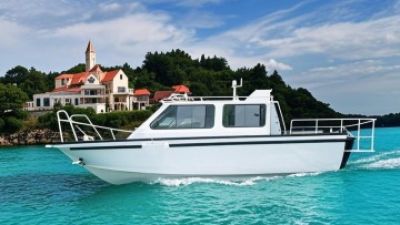
A 7.5m aluminum deep-V boat offers a practical platform for patrol, official duties, and passenger transportation in coastal and inland waters. Its hull measures 7.5m in length, extending to 8.5m with the rear handrail, with a 2.35m beam, 0.95m depth, and 0.30m draft. This configuration combines shallow-water access with improved stability, making it suitable for routine inspections, harbor support, rescue assistance, and short passenger transfers. The aluminum construction also provides a favorable balance between structural strength, manageable maintenance, and operational flexibility.
Powered by an outboard engine rated up to 150 hp, the boat can be configured for responsive maneuvering and efficient low-speed handling. It accommodates eight passengers plus one crew member and includes a 200L fuel tank for extended working periods between refueling stops. The 2023 U.S. Coast Guard Recreational Boating Statistics recorded 3,844 boating accidents, 564 fatalities, and 2,126 injuries, highlighting the importance of stable layouts, clear circulation areas, reliable propulsion, and professional operating procedures in passenger-oriented vessels.
For patrol and official operations, the open working space and deep-V hull support practical boarding, equipment movement, and visibility around the vessel. The boat is available with a minimum order quantity of one unit, supplied in nude packaging, with an estimated delivery time of 20–40 working days. Its balanced dimensions and adaptable outboard configuration make it a dependable choice for agencies, transport operators, and service teams requiring a compact multi-purpose workboat.
FAQS
Match engine power with the hull, passenger load, and usual water conditions. An oversized engine may accelerate quickly but consume more fuel. Underpowered boats can struggle in waves. Test carefully.
Test fuel use on the water, not from printed figures. Record consumption at cruising speed. Repeat the test with passengers and fishing equipment onboard. The result may surprise you.
Listen for uneven idling, delayed throttle response, and unusual vibration. A smooth engine is not automatically efficient. Rough operation deserves further inspection. Do not ignore small sounds.
Test turning, stopping distance, noise, and comfort. Cross a wake and observe how quickly the boat settles. Weight distribution can change the hull’s response. A ten-minute trial may hide two-hour discomfort.
Look for solid construction, clean joins, and signs of moisture damage. Check flotation materials, strong handrails, and non-slip flooring. Navigation lights should be mounted securely. Inspect the bilge pump and fuel lines.
Sit in every passenger seat and test the steering position. Your knees should not press against the console. Look for dry storage, shade, ventilation, and safe walking space. Soft seats alone are not enough.
Choose equipment that matches your normal boating habits. Useful items may include depth measurement, marine communication, and battery monitoring. Secure life-jacket storage and an anchor locker are practical. Test every switch, screen, pump, and light.
An experienced surveyor may find weak fittings or careless wiring. They can also notice hidden moisture or installation problems. Bring one if possible. I would still keep some doubt. Every boat has compromises.
Conclusion
Choosing the best Fiberglass Boat in 2026 begins with understanding how and where you plan to use it. Consider whether your priorities are fishing, family cruising, water sports, coastal travel, or occasional recreation. Then compare hull designs, boat lengths, passenger capacities, storage space, and stability to find a model that matches your activities and typical passenger load. Construction quality is equally important, so examine the fiberglass layup, structural reinforcement, hardware, fittings, and resistance to moisture, impact, and long-term wear.
Next, review the engine’s power, fuel efficiency, handling, range, and expected performance under different loads. Safety features such as flotation, navigation lights, reliable controls, secure railings, and emergency equipment should be evaluated alongside seating comfort, shade, ventilation, and onboard storage. Finally, estimate the full ownership cost, including purchase price, fuel, insurance, storage, maintenance, repairs, and equipment upgrades. A well-built Fiberglass Boat should deliver dependable performance, practical comfort, manageable upkeep, and strong long-term value rather than simply the lowest initial price.