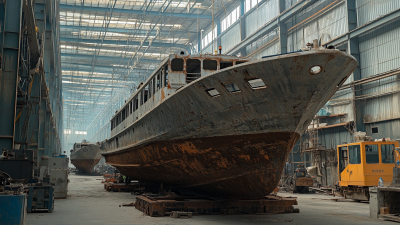
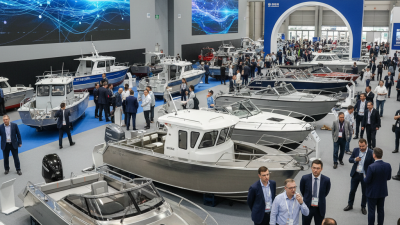
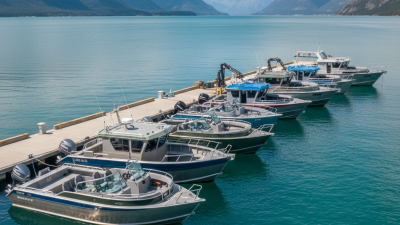
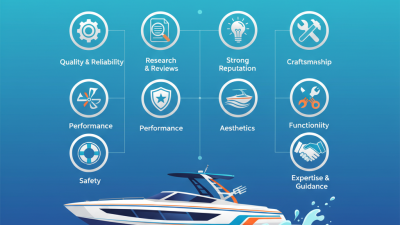
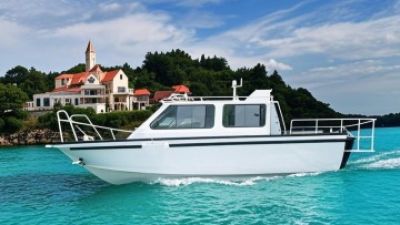
When you're choosing a metal boat, it really helps to know what you’re actually looking for. I mean, according to John Smith—he’s quite the expert over at Oceanic Metal Vessels—it's not just about how it looks. He says, 'Picking the right metal boat is more about performance and durability than style.' That’s pretty spot on, because there are so many factors to consider—like what you’re planning to do with the boat and what kind of materials it’s made from.
Metal boats are known for being tough and lasting a long time. If you talk to seasoned sailors, they’ll tell you it’s really worth paying attention to how the hull is built and its overall design. A solidly built metal vessel can handle some pretty rough marine conditions. But here’s the thing: not all metals are perfect for every purpose. For example, Aluminum Boats are lighter and more nimble, making them great for quick trips or smaller lakes. Steel, on the other hand, offers more strength and durability—ideal if you’re planning to sail in tougher waters.
And it’s not just about choosing the right material. You gotta think about your budget and how much maintenance you're willing to do. Some metal boats might need more TLC than others. Taking all this into account can save you a lot of headaches down the line. At the end of the day, your choice should match what you envision for your sailing adventures—so you can really enjoy your time on the water without surprises.
Understanding Your Boating Needs and Preferences
Choosing the right metal boat requires a clear understanding of your unique boating needs and preferences. What activities do you plan to enjoy? Different types of boating—fishing, cruising, or sailing—demand specific features. For instance, a fishing enthusiast might prioritize a spacious deck for tackle and gear, while a cruiser might need comfortable seating and storage.
According to a report by the National Marine Manufacturers Association, about 22% of boaters prefer aluminum for its lightweight and durability, making it ideal for rugged conditions. Steel offers strength, which is advantageous for heavier loads but can require more maintenance. Budget also plays a critical role. Research indicates that maintenance costs can range from 10% to 15% of the purchase price annually. It's wise to factor in these long-term expenses.
Your choice should reflect your lifestyle. Will you be using the boat frequently or occasionally? Seasonal patterns can influence the type of boat you need. An underutilized boat might not justify the purchase. Reflect on your boating habits and think critically about how often you’ll actually use the boat. This introspection could lead to a more practical decision.
Types of Metal Boats: Aluminum vs. Steel Comparisons
When choosing between aluminum and steel metal boats, consider their distinct characteristics and applications. Aluminum boats are lightweight and offer high speed, ideal for activities like fishing or water sports. They are corrosion-resistant, making them suitable for saltwater environments. According to a report by the National Marine Manufacturers Association, nearly 25% of all boats sold in the U.S. are made from aluminum, reflecting their popularity in leisure boating.
Steel boats, on the other hand, are known for their durability and strength. They can withstand harsh conditions, making them a preferred choice for commercial and industrial applications. A recent study indicated that steel boats last longer in severe conditions compared to their aluminum counterparts. However, they require more maintenance due to rust potential.
Tip: Evaluate your boating needs. If you prioritize speed and mobility, a lightweight aluminum construction may suit you best. If you need endurance and heavy-load capacity, steel could be your answer. Also, think about storage and transport considerations for both types of boats.
Choosing the right metal boat can feel overwhelming. Always weigh the long-term costs of maintenance against the initial purchase price. Making an informed decision will save you headaches down the line.
Comparison of Aluminum and Steel Boats
Evaluating Size and Capacity for Your Metal Boat
When selecting a metal boat, size and capacity are critical factors. A well-sized boat enhances comfort and safety on the water. Start by assessing how many passengers you typically bring along. A boat designed for fewer people may be cramped during outings, while one that is too large could be challenging to maneuver.
Consider the type of activities you plan to engage in. For fishing trips or family outings, ensure the boat has enough capacity for gear and supplies. If you prefer high-speed adventures, opt for a model that balances speed and stability. Sports Boat High Speed Boat options often vary greatly in size, so narrow down your choices according to your most frequent activities.
Before making a decision, reflect on what you really need. Are you focused on leisure cruises or high-octane water sports? Tip: Take the boat out for a trial run if possible. This way, you can gauge whether its size aligns with your expectations. Keep in mind that a larger boat can offer more space, but it may compromise speed and fuel efficiency. In the end, balancing your needs with practical considerations will lead to a better choice.
Key Features and Equipment to Consider in Metal Boats
When selecting a metal boat, understanding its key features is vital. Consider the hull material. Aluminum and steel are both popular options. Aluminum boats are lighter and easier to maneuver. Steel is more durable but heavier. Think about the boat's design as well. A flatter bottom offers stability, while a deep-V hull cuts through waves.
Look at the equipment as well. Essential features should include reliable navigation systems and safety gear. Storage options matter too. A good Luxury Boat should have ample space for gear. It is also crucial to check for corrosion resistance. Metal boats are prone to rust. Proper upkeep can prevent deterioration.
Reflect on your specific needs. Will you be using the boat for leisure or fishing? Each use requires different features. Comfort should not be overlooked. A well-designed cockpit can make long trips enjoyable. Ensure the seating is comfortable and secure. Your ideal metal boat should meet your demands while offering reliability.
Assessing Durability and Maintenance Requirements
When assessing durability in metal boats, factors like material choice play a critical role. Aluminum and steel are the two most common options. According to industry reports, aluminum boats typically weigh less, enhancing speed and fuel efficiency. They resist corrosion better in saltwater, often lasting over 20 years with proper care. Steel, on the other hand, offers superior strength, making it suitable for rougher conditions but requires more maintenance to prevent rust.
Maintenance is a key consideration for boat longevity. A study by the Marine Industry Association found that owners of aluminum boats spend approximately 15% less on maintenance than those with steel vessels. Regular cleaning, inspections, and timely repairs are essential for both types. Ignoring these can lead to significant structural issues or reduced performance. It’s easy to overlook minor damages; however, small issues can escalate quickly. Keep in mind that while aluminum may reduce maintenance burdens, it can be more susceptible to dents or scratches.
Choosing the right metal boat is not just about durability. It’s vital to understand your specific usage patterns. For instance, heavy-duty steel may serve commercial operators well, while casual recreational users might prefer lightweight aluminum. Evaluating your needs against the backdrop of ongoing maintenance requirements is crucial for making a sound decision.
Budgeting for Purchase and Maintenance Costs
When selecting a metal boat, budgeting is crucial. Consider not just the initial purchase price, but also maintenance costs. Metal boats can be durable, yet they require ongoing care. Set aside funds for regular checks, paint jobs, and repairs. These costs can add up over time.
Tips: Always allocate around 10-15% of the boat's value for annual maintenance. This percentage ensures you're prepared for unexpected expenses. Proper upkeep extends the life of your boat, protecting your investment.
Be mindful of where you store the boat. Storage can impact the condition and longevity. Mooring fees or dry-docking can strain your budget. Evaluate options carefully to avoid future regrets.
Tips: Explore various storage solutions. Consider seasonal options to save money. Rethink how you handle winterization tasks, as they can vary in cost and complexity. Each decision impacts your overall spending and boating experience.
How to Choose the Best Metal Boat for Your Needs? - Budgeting for Purchase and Maintenance Costs
| Boat Type | Purchase Price (USD) | Annual Maintenance Cost (USD) | Fuel Efficiency (MPG) | Lifespan (Years) |
| Aluminum Fishing Boat
| 15,000 | 1,200 | 5 | 20 |
| Steel Trawler | 50,000 | 3,500 | 7 | 30 |
| Aluminum Yacht | 120,000 | 5,000 | 10 | 25 |
| Catamaran | 75,000 | 4,000 | 8 | 20 |
| Luxury Aluminum Cruiser | 200,000 | 10,000 | 6 | 30 |
Where to Buy and Test Metal Boats for Quality
When searching for a metal boat, quality testing is crucial. Begin by identifying reputable dealers. Look for sellers with certifications or industry experience. This often indicates their commitment to quality.
Visiting a dealer allows you to inspect the materials used. Check for signs of rust or imperfections. A high-quality metal boat, such as a Patrol Boat, should have robust construction. Pay attention to welding joints and overall finish. Don’t hesitate to ask detailed questions about manufacturing processes.
Tip: Always request a test run. This helps gauge the boat's performance in real conditions. Watch how it handles waves and turns. Compare the ride quality with other models.
Tip: Consider joining local boating clubs. Members often share their experiences and recommendations. This creates a network for future assistance or upgrades. Engage with experienced boaters to refine your choices.
Ultimate Guide to Choosing the Right 7.5m Aluminum Deep-V Multi-Purpose Boat for Every Mission
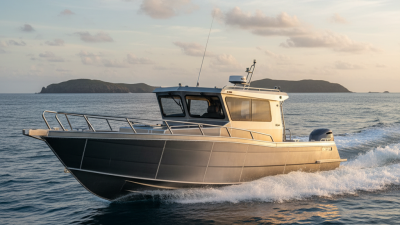
Choosing the right 7.5m aluminum deep-V multi-purpose boat can significantly enhance your maritime missions, whether for fishing, leisure, or professional use. With a length of 7.5m, extending to 8.5m with the back handrail, this boat is designed for versatility and performance on the water. Its beam of 2.35m ensures stability, while a depth of 0.95m and draft of 0.30m provide you with ample space to maneuver and navigate various water conditions safely.
The boat is capable of comfortably accommodating up to eight passengers, alongside a crew member, making it ideal for recreational outings or small group excursions. Featuring a 200L fuel tank, it supports longer trips without frequent refueling stops, while the outboard engine's recommended maximum horsepower of 150hp provides the power needed for a range of missions. Whether you’re planning a fishing adventure or need a reliable vessel for transport, this boat’s robust design and thoughtful specifications cater to a wide array of activities.
FAQS
: Aluminum boats are lightweight and fast, while steel boats are durable and strong.
Aluminum is more corrosion-resistant, especially in saltwater. Steel needs more maintenance to prevent rust.
Aluminum boats are ideal for fishing and water sports due to their speed and mobility.
With proper care, aluminum boats can last over 20 years, thanks to their corrosion resistance.
Steel boats generally incur higher maintenance costs due to rust prevention needs.
It's wise to allocate 10-15% of the boat’s value for yearly upkeep and unexpected costs.
Storage affects a boat's condition and longevity. Poor storage can lead to increased costs.
Casual users might prefer lightweight aluminum for ease, while heavy-duty tasks may require steel.
Yes, minor damages, if ignored, can quickly escalate into significant structural issues.
Rethinking winterization tasks can help you manage costs and complexity effectively.
Conclusion
Choosing the right metal boat involves a comprehensive understanding of your specific boating needs and preferences. Start by deciding between aluminum and steel boats, as each offers distinct advantages. Consider the size and capacity that best suits your intended use, and identify key features and equipment that enhance performance and safety. Durability and maintenance requirements should also be assessed to ensure long-term satisfaction.
Budgeting for both the purchase and ongoing maintenance is crucial to avoid unexpected costs later. Finally, exploring various places to buy and test metal boats can help you evaluate their quality and suitability for your requirements. By following these guidelines, you can make an informed decision that aligns with your boating lifestyle and needs.