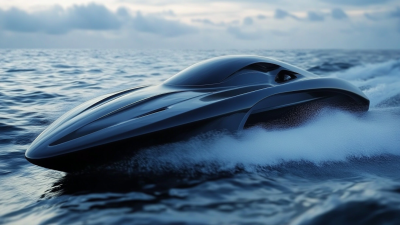
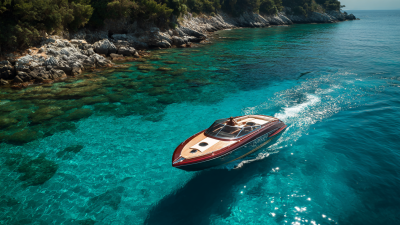
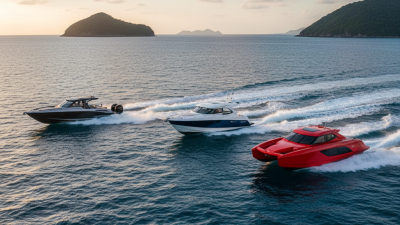
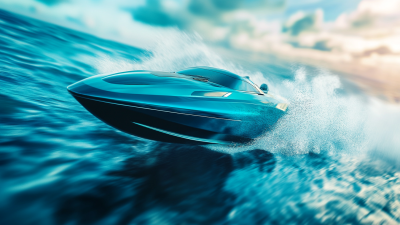
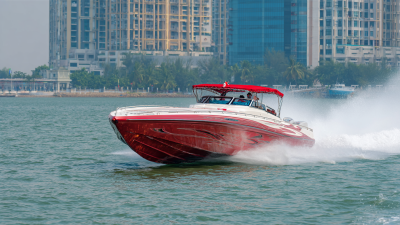
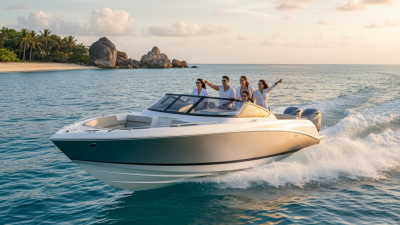
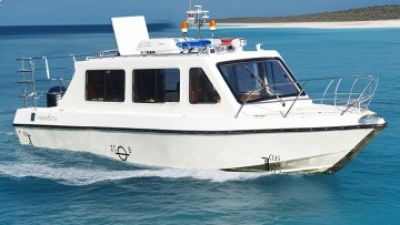
Picking the right speed boat is a pretty big deal if you want to enjoy your time on the water. Whether you're new to boating or you've been doing it for ages, knowing what you need makes all the difference. There are all kinds of speed boats out there—some are perfect for fishing, others are great for cruising, and some are built for watersports fun.
Before you buy, think about how you’re planning to use it. A sturdy, heavy-duty boat might be just the thing if fishing’s your main gig. On the flip side, if you’re into watersports, a sleeker, more agile model might be better. Take some time to check out different brands and models—there's a lot of good options out there, like Yamaha and Sea Ray—they've got a solid reputation for quality.
It's also important to consider things like engine power, size, and your budget. Reading reviews from both experts and regular users can really help clarify what’s what. Sure, it’s tempting to make a quick decision, but honestly, taking a little extra time to research and compare will pay off in the long run. After all, your whole boating adventure depends on choosing the right boat to start with.
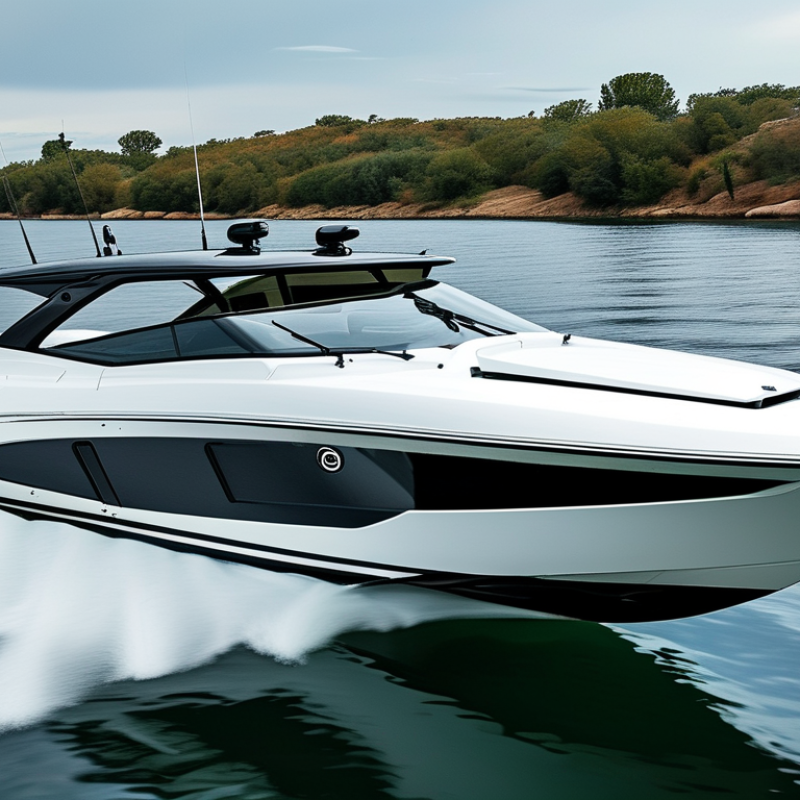
Understanding Your Specific Needs and Usage for a Speed Boat
When choosing a speed boat, understanding your specific needs is crucial. Consider where you will primarily use the boat. Will you be on calm lakes, or do you expect to navigate open waters? Different environments demand different types of boats. A Sports Boat High Speed Boat excels in thrilling rides on large bodies of water. Meanwhile, a more stable model might suit flat, sheltered areas better.
The number of passengers also affects your choice. If family trips are common, space is important. A smaller boat may be limiting. However, for solo adventures, a compact model can offer agility and speed. Think about activities too. Do you desire speed for racing or leisure cruising? Understanding your purpose will help narrow your options significantly.
Budget plays a role, too. Speed boats come in various price ranges. A cheaper model might not last long, while a premium option often ensures reliability and performance. It’s wise to reflect on what you truly need versus what appeals to you at first glance. This balance will lead to a satisfying purchase.
Types of Speed Boats: An Overview of Different Models and Designs
When exploring speed boats, it's crucial to understand the various models and designs available. Speed boats can be categorized into several types, each catering to different preferences and uses. For instance, performance boats, often lighter and designed for speed, are popular among enthusiasts. According to a recent report by the National Marine Manufacturers Association (NMMA), performance boats account for around 20% of the market share. They commonly feature sleek lines and powerful engines, allowing for exhilarating rides.
Another segment is the pontoon boat, known for its stability and spaciousness. These boats typically serve well for leisure activities and family outings. The NMMA report indicates that pontoon boats have seen a steady increase in sales, appealing to those looking for comfort over sheer speed. In contrast, the Frp Speed Boat offers a balance between the two. Made from fiberglass-reinforced plastic, it is lightweight and durable, ideal for both speed and casual use.
While each type has its strengths, potential buyers should consider personal needs. Many may prioritize speed, while others might focus on comfort and capacity. Understanding these differences can guide a purchasing decision. Remember, the right speed boat ultimately depends on how and where you intend to use it.
Key Features to Consider When Selecting a Speed Boat
Choosing the right speed boat requires careful consideration of several key features. Start with the boat's hull design. The hull affects speed, stability, and handling. A deep-V hull often performs well in choppy waters but may sacrifice speed. In contrast, a flatter hull can accelerate quickly but struggles in rough conditions. According to industry data, boats with a well-designed hull can improve fuel efficiency by 20% or more in specific conditions.
Next, consider the engine type. Outboard motors are common, but inboard engines can offer better weight distribution. A recent survey noted that nearly 70% of speed boat owners prefer outboards for their ease of maintenance. The horsepower rating directly influences top speed and acceleration. A higher horsepower generally translates to better performance. However, higher power often means more fuel consumption, which can be a trade-off.
Don’t overlook the boat’s size and capacity. A smaller boat can be nimbler and easier to trailer. Yet, it may have limited space for passengers or gear. Many first-time buyers report feeling cramped in smaller models. Additionally, safety features, such as life jackets and fire extinguishers, should never be compromised. A reliable speed boat not only enhances enjoyment but also ensures safety on the water. Engaging with experienced boaters can provide valuable insights into making the best choice.
Evaluating Engine Performance and Specifications
When choosing a speed boat, engine performance is crucial. It affects how quickly you can reach your destination and how well the boat handles. Understanding the horsepower of the engine is essential. More horsepower typically means better speed and acceleration. However, this doesn't guarantee a smooth ride. A powerful engine can lead to handling difficulties, especially for inexperienced pilots.
Fuel efficiency is another important specification. A boat that consumes less fuel can save you money over time. An efficient engine allows longer trips without frequent refueling. But, be wary of engines that promise high efficiency. Often, these can sacrifice performance in critical situations. Look for reviews or expert opinions on real-world efficiency.
Additionally, engine type matters. Two-stroke and four-stroke engines have different characteristics. Two-strokes are lightweight and offer more power, but they consume more fuel. On the other hand, four-strokes provide better fuel efficiency and quieter operation but tend to be heavier. Each type has pros and cons, depending on your needs. Do thorough research to ensure you make a well-informed decision.
Assessing Comfort and Safety Features in Speed Boats
When choosing a speed boat, comfort and safety features are paramount. Reports show that nearly 70% of boaters prioritize comfort in their purchases. Key aspects include cushioned seating and easy access to amenities. A well-designed cockpit enhances the experience, allowing for smooth navigation without fatigue. Features such as adjustable seats can make long outings on the water much more enjoyable.
Safety cannot be overlooked. According to the National Marine Manufacturers Association, accidents can be reduced by 20% when boats are equipped with advanced safety systems. Look for features like automatic bilge pumps, life jacket storage, and non-skid surfaces. In recent studies, the importance of visibility was highlighted, as many accidents occur due to poor design. The ideal Jet Speed Boat will incorporate a clear view and accessible safety gear.
It’s also essential to consider the boat's design and stability. Many buyers overlook how a boat's shape can affect handling in rough waters. A narrow beam may look sleek but may compromise safety. Personal experiences from seasoned boaters often emphasize the need for balance between speed and stability. Investing in a model that achieves this balance may prevent future regrets.
Comfort and Safety Features in Speed Boats
Budgeting for Your Speed Boat Purchase: Costs and Additional Expenses
When budgeting for your speed boat purchase, it's essential to consider more than just the initial price. The costs associated with owning a speed boat can add up quickly. You need to factor in insurance, maintenance, and fuel. Fuel costs can be particularly high if you have a Min Speed Boat that consumes more fuel than average. Think about storage fees as well if you plan to dock it at a marina.
Another important consideration is safety equipment. Life jackets, fire extinguishers, and emergency kits are not optional. These items may seem like small expenses but can add a few hundred to your budget. Ensure you're financially prepared for potential repairs too. Boats, like any vehicle, require upkeep. Neglecting maintenance can lead to expensive repairs later.
Finally, don't forget about registration and taxes. These can vary significantly depending on where you live. It's wise to research local requirements beforehand. Understanding all the potential expenses helps create a realistic budget. This can prevent surprises that might impact your enjoyment. A good budget allows you to fully enjoy your Min Speed Boat and all that comes with it.
How to Choose the Best Speed Boat for Your Needs? - Budgeting for Your Speed Boat Purchase: Costs and Additional Expenses
| Aspect | Estimated Cost ($) | Notes |
| Base Price of Speed Boat | 20,000 - 100,000 | Varies based on size and features |
| Insurance | 1,000 - 3,000/year | Dependent on coverage level |
| Fuel Costs | 2,000 - 5,000/year | Based on usage |
| Maintenance | 500 - 2,000/year | Regular servicing and repairs |
| Storage Fees | 1,000 - 2,500/year | Docking or winter storage |
| Licensing & Registration | 100 - 500 | Annual fees |
| Safety Equipment | 200 - 1,000 | Life jackets, flares, etc. |
| Total Estimated Annual Cost | 4,900 - 14,500 | Including initial purchase |
Where to Buy: New vs. Used Speed Boats and Trusted Dealers
When considering the purchase of a speed boat, the choice between new and used models is crucial. New speed boats come with the latest technology and manufacturer warranties. They often provide peace of mind, knowing that everything is in perfect condition. However, the price tag can be daunting. New boats depreciate quickly, losing value shortly after purchase.
Used speed boats can offer fantastic deals, making them attractive for budget-conscious buyers. However, condition varies widely. A detailed inspection is essential. Look for wear and tear, check the engine, and assess the overall condition. It's wise to consult with a marine surveyor before finalizing a deal.
Finding trusted dealers is vital, whether shopping for new or used boats. Research local dealerships with good reputations. Online reviews can reveal a lot about customer experiences. Personal recommendations from friends or other boat owners can guide your decision. Beware of deals that seem too good to be true; they often are. Transparency from the dealer is key; ask a lot of questions to gauge reliability.
Exploring the Growing Demand for Luxury Mini Yachts: Insights from Recent Marine Market Reports on the 24.6ft Fiberglass Cabin Cruiser
The growing demand for luxury Mini Yachts reflects a significant shift in marine leisure activities, particularly exemplified by recent market reports focusing on compact yet sophisticated vessels like the 24.6ft fiberglass cabin cruiser. Designed for ease of use and maneuverability, this cruiser offers an ideal solution for both seasoned boaters and newcomers seeking a taste of luxury on the water.
With a length of 7.50 meters, a width of 2.30 meters, and a depth of 1.10 meters, this yacht is spacious enough to accommodate up to eight people, including the driver. Its thoughtful design allows for comfortable navigation without sacrificing style. The draft of 0.42 meters and a displacement of 0.45 tons ensure that the yacht remains stable and manageable, making it perfect for a weekend getaway or a short cruise along coastal waters. Additionally, the total water volume of 3.143 tons and features like an electric water pump SL-750 enhance functionality, offering convenience and ease for onboard activities.
As more individuals seek unique experiences in marine settings, this fiberglass cabin cruiser symbolizes a blend of luxury and practicality, setting a new standard in the mini yacht market. These vessels cater to those who desire both performance and comfort, ultimately reshaping the recreational boating landscape for generations to come.
FAQS
: Engine performance relies on horsepower, fuel efficiency, and engine type. Each affects speed and handling.
No, powerful engines may lead to handling issues, especially for inexperienced pilots.
Efficient engines save money by reducing fuel costs and allow for longer trips without refueling.
Not necessarily. High efficiency can compromise performance in critical situations. Research is essential.
Two-strokes are lightweight with more power but consume more fuel. Four-strokes are quieter and more fuel-efficient.
New boats have warranties and technology but depreciate quickly. Used boats can be budget-friendly but require careful inspection.
Perform a detailed inspection, checking for wear and tear. Consult a marine surveyor if unsure.
Research reputations, read online reviews, and seek personal recommendations. Transparency is crucial.
Be cautious of deals that seem too good to be true. Always ask questions and verify the dealer's reliability.
Conclusion
When choosing the best speed boat for your needs, it's essential to start by understanding your specific requirements and intended usage. Different types of speed boats are available, each designed for various activities such as recreational cruising, racing, or fishing. Key features like engine performance, design specifications, and safety elements play a crucial role in making an informed decision.
Additionally, assessing comfort features and establishing a budget that covers the purchase price along with any additional expenses is critical. You also have the option to buy new or used speed boats, with reputable dealers providing valuable assistance in your selection process. Ultimately, thorough research will ensure that you find a speed boat that perfectly suits your lifestyle and activities on the water.