Leave Your Message
0%

Thinking about buying a mini yacht, no matter where you are in the world, can feel like you're trying to pick between a floating home, a sleek performance machine, and a long-term commitment all in one go. The tricky part? The right choice isn’t really about those shiny photos you see online — it’s about how you actually plan to use the boat. For example, a peaceful morning at the wheel might call for different features than hosting friends for the weekend at a busy marina.

In 2023, the National Marine Manufacturers Association reported around 11.6 million registered recreational boats just in the U.S. That same report also highlighted how folks are spending plenty on new boats, engines, gear, and services. Meanwhile, ICOMIA’s Global Boating Industry Statistics shows that markets vary a lot depending on regional habits, infrastructure, and what people are willing to spend on ownership. So, yeah, there's definitely opportunity out there — but that doesn’t mean every boat is a good deal. A mini yacht that's perfect for Miami might not cut it in the Mediterranean or Southeast Asia.

Malcolm MacLean, a yacht expert and author, once said, “The best yacht is the one that fits your real life, not your dream version of it.” And honestly, that’s a message worth paying attention to. When you’re shopping, you’ve got to look beyond the pretty pictures — consider things like hull design, fuel capacity, how many berths you need, ease of maintenance, insurance costs, resale potential, and how good the local service support is. Sometimes, it’s the little things that matter — like a narrow engine-room hatch that can turn routine maintenance into a nightmare or an unexpected expense.

In this guide, I’m sharing ten practical tips to help you navigate buying a mini yacht anywhere in the world. We’ll talk about inspections, budgeting, credibility of builders, how the boat gets delivered, and even doing sea trials. Some of these tips might seem obvious — but honestly, it’s easy to overlook them when you’re caught up in the excitement. Prices change, specs can fall short of expectations, and even seasoned buyers sometimes ignore the boring but important questions that protect their investment. So, take your time and keep these things in mind — it’ll make all the difference.
10 Tips for Buying a Mini Yacht Worldwide

Define Your Mini Yacht Needs, Budget, and Intended Use

Define your mini yacht by use, not by appearance. Will it carry four people for coastal weekends, or host ten guests for afternoon cruising? NMMA’s 2023 U.S. Recreational Boating Statistical Abstract recorded about 11.6 million registered recreational boats. Yet most owners use their vessels for short trips, fishing, swimming, and social time. Measure your real habits. Count passengers, luggage, fuel, and tender space. A bright salon cannot fix poor storage.

Set a purchase ceiling before viewing listings. Then add insurance, mooring, maintenance, crew, fuel, winter storage, and taxes. A practical reserve of 10–15% of the purchase price annually is a useful planning benchmark, though local costs vary sharply. The ICOMIA Global Recreational Boating Statistical Abstract shows how uneven boating markets can be across regions. Currency changes and marina shortages may affect your Mini Yacht Trade budget more than the advertised price.

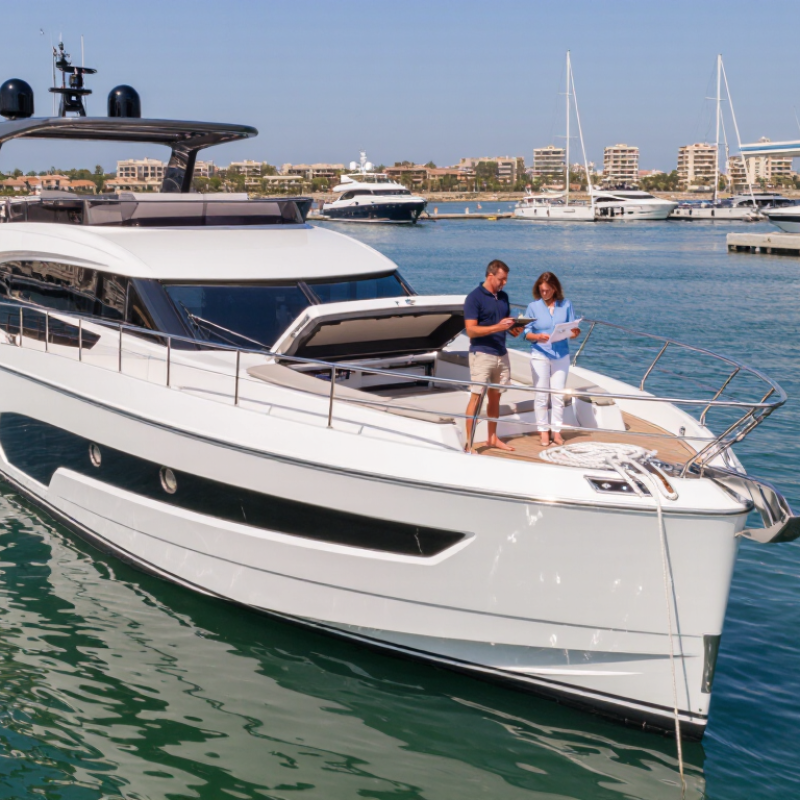
Stand beside the engine room. Smell the bilge. Ask for service records, haul-out reports, and an independent marine survey. I have learned that polished teak can distract buyers from tired systems. I still underestimate small repairs sometimes. That is the uncomfortable part. Choose cruising range from your intended route, not the brochure’s best-case figures. A yacht designed for calm bays may feel unsuitable in open-water conditions. Leave money and time for professional inspections before signing.

Compare Mini Yacht Types, Sizes, and Onboard Features

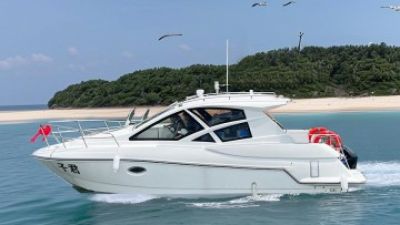
Choosing a Mini Yacht Modelstarts with its intended use. A compact Cabin Yacht suits weekend trips, while an open day boat works better for short coastal outings. Consider hull design carefully. A deep-V hull can improve comfort in rougher water, but it may require more power and fuel. A flatter hull often offers easier handling near sheltered shores. Space changes everything. Measure the berth, cockpit, storage lockers, and engine access before making a decision.

Size affects both comfort and operating costs. A yacht around 6 to 8 meters may be easier to trailer, dock, and maintain. Larger models provide better sleeping areas, wider decks, and more stable movement. However, extra length can create higher marina fees and transport challenges. Check the real interior dimensions, not only the brochure figures. A surveyor should inspect the hull, electrical system, fuel tank, and steering equipment. Online photos cannot reveal soft deck areas or hidden corrosion.

Onboard features deserve practical testing. Inspect the galley worktop, freshwater capacity, toilet arrangement, ventilation, and battery storage. Sit at the helm and check visibility from different positions. Navigation displays, automatic bilge pumps, lighting, and safety equipment should match the yacht’s planned waters. I once underestimated locker space and carried loose gear under every seat. That mistake still affects how I judge layouts. Review maintenance records, ownership documents, delivery conditions, and local operating requirements. Ask about warranty coverage and spare-part availability. A beautiful interior is not enough. Comfort matters. Reliability matters more.

10 Tips for Buying a Mini Yacht Worldwide

Compare Mini Yacht Types, Sizes, and Onboard Features

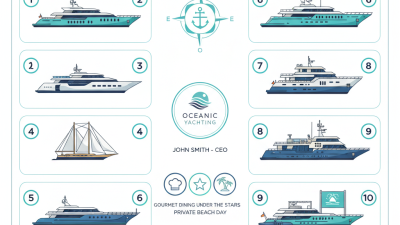
Typical Mini Yachts range from approximately 7 to 15 metres in length. Day cruisers prioritize open entertaining space, cabin cruisers add compact sleeping areas, flybridge models provide additional outdoor living space, pocket explorers emphasize longer-range cruising, and compact catamarans offer greater interior volume. Actual dimensions, berth layouts, fuel capacity, and cruising range vary by vessel design and specification.

Research Manufacturers, Sellers, and International Marketplaces

Buying a mini yacht worldwide starts with disciplined market research. ICOMIA’s 2023 Recreational Boating Statistical Abstract estimates the global sector at more than €52 billion, supporting roughly 1.1 million jobs. That scale creates choice, but also confusion. Compare manufacturers by hull materials, engine access, warranty terms, and documented delivery records. Marketing photos are not evidence.

Inspect sellers through more than online reviews. Request registration history, maintenance invoices, ownership documents, and a recent survey. A reliable seller should explain import duties, transport costs, insurance, and local servicing. Ask who repairs the engine after delivery. That answer matters. On international marketplaces, compare identical specifications carefully. A listed price may exclude taxes, equipment, shipping, or commissioning. The SuperYacht Times Global Order Book shows more than 1,100 yachts under construction or on order in recent editions, reflecting strong demand for professionally built vessels. Smaller yachts still deserve the same scrutiny.

Arrange an independent survey and a sea trial before payment. Check bilge dryness, steering response, electrical panels, fuel lines, and corrosion around fittings. Confirm that the vessel matches its advertised length and equipment list. My checklist is not perfect; hidden repair costs can still appear later. Currency changes can also damage a careful budget. Use written contracts, verified payment channels, and clear delivery milestones. A trustworthy marketplace preserves messages and publishes seller verification standards. Avoid rushed discounts. They often conceal missing paperwork or neglected maintenance.

Verify Yacht Condition, Ownership Records, and Technical Documents

Buying a Small Mini Yacht requires more than admiring its polished cabin. Verify the vessel’s condition before discussing price. Inspect the hull for blisters, repairs, and uneven paint. A moisture meter can reveal problems hidden beneath fresh coatings. Check the deck, windows, railings, steering system, and bilge for leaks or corrosion.

Arrange an independent marine survey, especially when buying across borders. Ask for engine serial numbers, operating hours, maintenance invoices, and recent repair reports. Start the engine cold, if possible. Listen for hard starting, unusual smoke, vibration, or warning alarms. A clean engine room proves little. Service history matters more than bright paint.

Ownership records need equal attention. Compare the seller’s identity with the registration certificate and previous transfer documents. Confirm that the hull identification number matches every record. Ask a maritime lawyer or registry office to check mortgages, liens, unpaid marina fees, and import status. Requirements vary by country. Do not rely on verbal assurances.

Technical documents should include stability information, equipment manuals, safety certificates, radio records, and inspection history. Missing paperwork may delay registration or insurance. I have learned that hurried buyers often overlook small inconsistencies. One incorrect engine number can create weeks of questions. Leave room for doubt. If a document looks altered, pause the purchase and request independent verification.

Calculate Purchase Costs, Taxes, Shipping, and Ongoing Expenses

10 Tips for Buying a Mini Yacht Worldwide

Calculate Purchase Costs, Taxes, Shipping, and Ongoing Expenses

Buying a mini yacht worldwide starts with the landed cost, not the advertised price. Build a worksheet covering the vessel, survey, legal checks, registration, delivery, and equipment. A professional survey can expose moisture, corrosion, or neglected engine hours. My first spreadsheet was too optimistic. That mistake can be expensive. Add a contingency reserve of at least 10 percent for unexpected repairs.

Taxes require local confirmation. Import duty, VAT or GST, port fees, and registration charges may apply separately. The OECD Consumption Tax Trends 2024 report shows that standard consumption tax rates vary widely across countries. Never assume the seller’s tax status transfers automatically. Ask a qualified maritime tax adviser for written calculations before paying a deposit.

Shipping quotes should include loading, cradle preparation, port handling, marine insurance, customs clearance, and final delivery. Beam and height can increase costs quickly. Request three detailed quotes. Ongoing expenses deserve equal attention. Fuel, berth rental, insurance, maintenance, winter storage, safety equipment, and crew support can consume 8–12 percent of the purchase price annually, according to common industry budgeting practice. The 2023 U.S. Recreational Boating Statistical Abstract recorded 11.6 million registered recreational boats, but that scale does not make ownership cheap. Marina prices remain highly regional. A beautiful boat can become a poor purchase when its home port is overlooked.

10 Tips for Buying a Mini Yacht Worldwide - Calculate Purchase Costs, Taxes, Shipping, and Ongoing Expenses

Planning guide based on a 10–15 m used mini yacht with an estimated purchase price of US$250,000

No. Buying Tip What to Check Typical Cost or Range Planning Assumption Estimated Budget for Example
1 Set a realistic purchase budget Compare the asking price with age, engine hours, maintenance records, equipment condition, and survey findings. US$100,000–US$600,000 for many used 10–15 m yachts Used yacht in serviceable condition US$250,000 purchase price
2 Arrange an independent survey Request a condition and valuation survey, haul-out inspection, moisture checks, sea trial, and engine diagnostics. US$1,500–US$5,000, excluding major repairs Surveyor, haul-out, sea trial, and basic diagnostic testing US$3,000
3 Calculate purchase taxes and duties Check VAT or sales tax, import duty, customs fees, exemptions, temporary admission rules, and whether tax was previously paid. 0%–27% tax; import duty may add 0%–10% or more Actual rates depend on the country, vessel origin, buyer status, and import procedure US$0–US$67,500 tax allowance
4 Budget for legal and registration work Verify title, liens, ownership history, builder documents, registration eligibility, radio licensing, and required safety certificates. US$1,000–US$6,000, excluding complex legal disputes Document review, purchase contract, registration, and filing fees US$3,000
5 Compare shipping and delivery options Compare self-delivery, heavy-lift transport, yacht carrier service, route permits, port handling, insurance, and inland transport. US$15,000–US$80,000 for international transport International shipment for a 10–15 m yacht, excluding exceptional port delays US$35,000
6 Allow for commissioning and repairs Plan for fluids, batteries, safety equipment, electronics updates, antifouling, seals, hoses, and repairs identified during the survey. 5%–15% of purchase price in the first year Older or poorly documented yachts require a larger reserve US$25,000–US$37,500
7 Estimate insurance costs Check cruising area, storm exposure, vessel value, deductibles, liability limits, navigation limits, and required surveys. Approximately 0.8%–2.0% of insured value per year Higher-risk regions and hurricane areas can cost more or have exclusions US$2,000–US$5,000 annually
8 Reserve money for mooring Compare berth length, shore power, water, security, haul-out access, local taxes, and seasonal or annual contracts. US$3,000–US$30,000 per year Large variation between low-cost marinas and premium urban locations US$12,000 annually
9 Calculate maintenance and haul-out expenses Include engine servicing, generator work, underwater cleaning, antifouling, anodes, electrical repairs, plumbing, and routine inspections. 5%–10% of vessel value per year Normal preventive maintenance, excluding major engine or structural failure US$12,500–US$25,000 annually
10 Forecast fuel, crew, and operating costs Estimate annual cruising hours, fuel burn, fuel price, cleaning, provisioning, captain or crew, communications, and safety training. US$8,000–US$60,000+ per year Private use with 100–200 engine hours; professional crew can substantially increase costs US$18,000 annually

Illustrative Total-Cost Summary

Purchase price US$250,000
Survey, legal, registration, and initial commissioning US$31,000–US$43,000
International shipping allowance US$15,000–US$80,000
Possible taxes and import duties US$0–US$67,500+
Estimated first-year total before regular operating costs Approximately US$296,000–US$440,000+
Estimated annual ownership costs after purchase Approximately US$35,000–US$100,000+

Figures are planning estimates in U.S. dollars. Actual costs vary by country, vessel age, engine type, cruising area, tax status, exchange rates, marina location, and usage. Confirm taxes, duties, registration requirements, and insurance conditions with qualified local professionals before purchasing.

Arrange Surveys, Sea Trials, Contracts, and International Delivery

Before paying a deposit, appoint an independent marine surveyor who works for you. Ask for a written inspection scope covering the hull, engines, electrical systems, fuel tanks, safety equipment, and maintenance records. A Mini Small Yacht may look flawless beside a sunny dock, yet hidden moisture can appear beneath the flooring. Request an oil analysis and a haul-out inspection. Do not skip the sea trial. Test cold starting, steering response, trim, navigation instruments, bilge pumps, and emergency equipment in realistic conditions. Bring the surveyor onboard. Take photographs.

The contract should describe the exact vessel, included equipment, condition, delivery date, payment milestones, and cancellation rights. Include a sea-trial acceptance clause. Specify who pays for repairs discovered before handover. A verbal promise is weak protection. Have a qualified maritime lawyer review the agreement, especially for taxes, registration, import rules, insurance, and ownership documents. Requirements differ between countries and ports. Do not assume the seller’s paperwork is complete.

For international delivery, compare supervised transport with a professional delivery crew. Confirm loading methods, route, weather limitations, cargo insurance, port charges, customs documents, and final unloading responsibilities. Use clear trade terms that identify when risk transfers. Keep copies of every certificate and receipt. Details matter. I have seen buyers focus on the cabin finish while overlooking battery isolation and spare parts. That mistake can become expensive overseas. Build time into the schedule; ships, inspections, and customs rarely move perfectly.

28ft Luxury Official Yacht: Market Insights from ICOMIA and Grand View Research Reports

The 28-foot luxury official yacht segment is benefiting from wider growth in recreational boating, particularly as buyers seek compact vessels that combine comfort, efficient operation, and flexible coastal use. ICOMIA’s global industry reporting identifies continued demand for newer, more sustainable recreational craft, while Grand View Research forecasts mid-single-digit annual growth for the global recreational boating market. These findings suggest strong potential for well-designed yachts that offer practical capacity without the operating complexity of larger vessels.

Measuring 7.50m in length, 2.30m in width, and 1.10m in depth, this model provides a balanced footprint for marinas, resorts, and private waterfront operations. Its 0.42m draft supports access to relatively shallow waters, while the 0.45-ton displacement contributes to easier handling and transport. With seating for eight people, including one driver, the yacht is suited to short sightseeing cruises, hospitality services, and family recreation. The 3.143-ton total water volume further supports onboard comfort and utility.

An integrated electric water pump enhances water circulation and operational convenience. In line with market trends noted by ICOMIA and Grand View Research, the yacht’s compact dimensions, passenger capacity, and electric-assisted equipment reflect growing interest in efficient, experience-focused marine products.

FAQS

How should I choose between a compact cabin yacht and an open day boat?

Choose a cabin layout for overnight trips.

What hull design is suitable for different water conditions?

A deep-V hull can feel steadier in rougher water.

What size is practical for transport and maintenance?

A yacht measuring about 6 to 8 meters is often easier to trailer and dock.

Which spaces should I measure before buying?

Measure the berth, cockpit, lockers, and engine access.

Which onboard features deserve hands-on testing?

Test the galley worktop, freshwater capacity, toilet arrangement, and ventilation.

Why is an independent marine survey important?

A survey can reveal blisters, hidden repairs, moisture, corrosion, and soft deck areas.

What should I check during an engine inspection?

Request serial numbers, operating hours, invoices, and repair records.

Which ownership and technical documents should I verify?

Compare the seller’s identity, registration certificate, transfer records, and hull identification number.

Conclusion

Buying a Mini Yacht worldwide requires careful planning, realistic budgeting, and thorough research. Begin by defining your intended use, preferred cruising range, passenger capacity, and essential onboard features. Compare different yacht types, sizes, layouts, and equipment to identify the best match for your lifestyle. Then research reputable manufacturers, sellers, brokers, and international marketplaces, while avoiding decisions based solely on price or appearance. Before committing, verify the yacht’s condition, ownership history, registration, maintenance records, and technical documents through qualified professionals.

A complete budget should include the purchase price, inspection fees, insurance, taxes, registration, transportation, import charges, storage, fuel, maintenance, and crew or operating costs where applicable. Arrange an independent marine survey and sea trial to evaluate performance and safety. Ensure the sales contract clearly explains payment terms, warranties, inspections, delivery responsibilities, and dispute procedures. For international delivery, confirm shipping arrangements, customs requirements, and destination regulations in advance. With proper preparation and professional guidance, buyers can choose a Mini Yacht that offers reliable performance, practical comfort, and long-term value.
Sophia

Sophia

Sophia is a dedicated marketing professional at Jiujiang Flit Boating Co., Ltd., a company established in 2008 that specializes in manufacturing a diverse range of watercraft including speed boats, luxury yachts, passenger boats, Patrol Boats, water fly boards, and jet packs. With extensive......
Previous What Is a Mini Speed Boat and How Fast Is It?