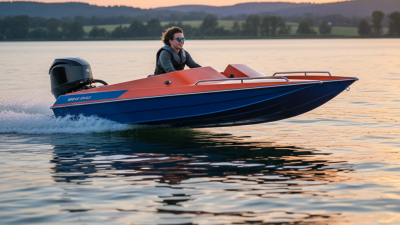
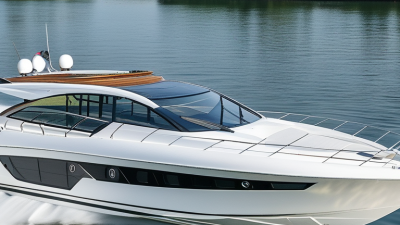
A Mini Speed Boat is basically a small motorboat that's built for quick runs, easy handling, and short fun outings. Unlike those big performance boats, these are smaller, lighter, and usually equipped with a modest outboard engine. The compact size makes it super easy to launch and store, which is a big win if you've got limited space. But don’t get the idea that 'mini' means slow — that’s not always the case.
Speed can really vary a lot. Most Mini Speed Boats top out somewhere around 15 to 30 miles per hour when conditions are good. Some sporty, lightweight designs may go faster, and electric models tend to focus more on quiet rides rather than breaking speed records. The actual speed depends on a bunch of factors like engine power, how much weight you’re carrying, hull design, battery size, water conditions, and propeller type. Keep in mind, manufacturer claims are often based on perfect conditions — not necessarily what you’ll see on a busy weekend at the lake.
Imagine how different it feels to be on a calm, mirror-like surface versus rough, choppy water. At higher speeds, steering gets sharper, spray might kick up and make visibility tougher, and even tiny mistakes can be more serious. So, this guide’s gonna help you understand what exactly makes a boat a Mini Speed Boat, how they’re tested for speed, and what you should realistically expect as an owner. We’ll also cover acceleration, range, stability, maintenance, and the importance of playing it safe, especially in approved waterways. Always remember to check local rules and gear up properly — a life jacket is a must.
And here’s a little reality check — there isn’t just one standard ‘normal’ speed for all small boats. That idea doesn’t quite hold up. Sometimes, a slower boat provides better control, costs less to run, and offers a smoother ride. Honestly, real-world experience, how it feels on the water, and what suits your needs matter way more than just looking at the specs on paper.
Definition and Core Features of a Mini Speed Boat
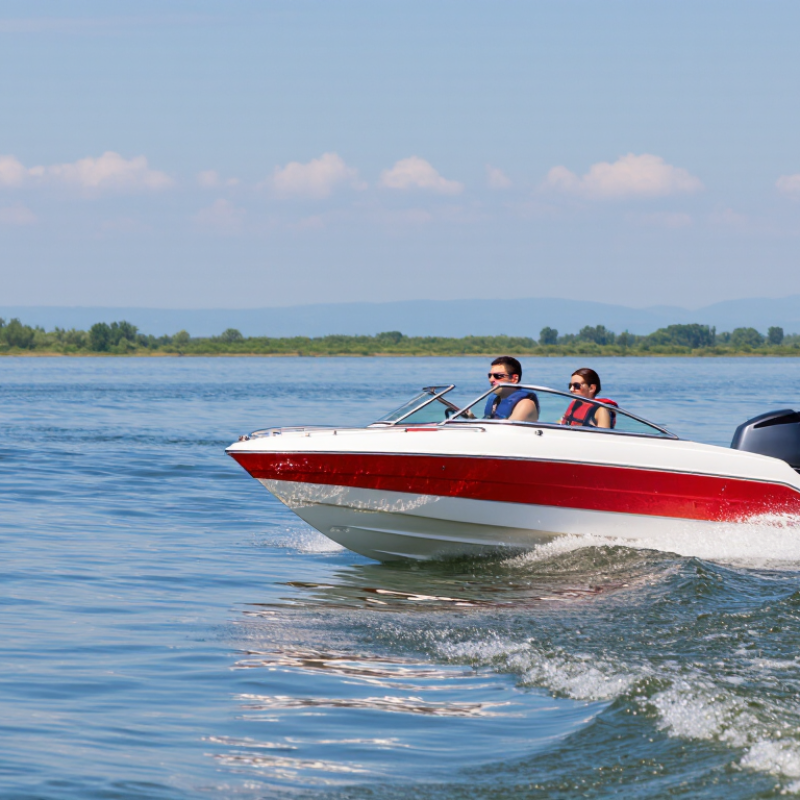
A mini speed boat is a compact powerboat designed for quick, responsive travel on lakes, rivers, and sheltered coastal water. The phrase Speed Boat Mini usually describes a small craft with limited seating, a lightweight hull, and an outboard or electric motor. Most models carry one to four people, although passenger capacity depends on the boat’s certification. Their short length helps with transport and storage, but it can also make the ride feel sharper over waves.
Core features include a planing hull, a steering wheel or tiller, a stable cockpit, and clear throttle control. When the hull rises onto the water’s surface, drag decreases and speed increases. A small boat may reach 20 to 40 kilometers per hour, but motor power, total load, water conditions, and hull design change the result. Calm water gives the most useful speed reading. A heavy cooler, extra passenger, or strong wind can reduce performance noticeably.
Safety equipment remains essential, even on a small craft. A properly fitted life jacket, reliable drain system, navigation lights, and an emergency shutoff improve everyday control. I find compact boats exciting because they respond quickly, but that response can surprise inexperienced operators. It is easy to focus on top speed and overlook braking distance, turning space, and changing weather. A mini speed boat should feel manageable, not merely fast.
Main Types and Common Design Differences
What Is a Mini Speed Boat and How Fast Is It?
Main Types and Common Design Differences
A mini speed boat is usually a compact powerboat under about 20 feet long. The term is not a strict engineering category. That matters. Some models carry two people, while others accommodate six passengers and camping gear. In practical testing, many small planing boats reach 20 to 35 mph. Lightweight racing-style designs may exceed 40 mph with suitable power, water, and load conditions.
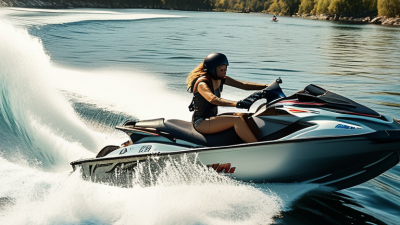
The main types differ in hull shape and intended use. A compact runabout normally uses a deep-V or modified-V hull, which improves control on choppy water. A flat-bottom utility boat feels more stable in calm conditions, but it can pound hard over waves. Inflatable mini boats are easier to transport and often use smaller outboard engines. Jet-powered versions have shallow drafts and responsive handling, though they may consume more fuel at higher speeds. Propeller-driven boats usually offer simpler maintenance and stronger low-speed control.
Industry data supports the popularity of small outboard craft. The National Marine Manufacturers Association reported about 146,000 new powerboats sold in the United States during 2023. Its statistical abstract also showed that outboard propulsion remained dominant in the market. The U.S. Coast Guard’s 2023 Recreational Boating Statistics recorded 4,039 reportable boating accidents, so speed should never be judged alone. Passenger weight, trim, water temperature, and loading can change performance sharply. I would question any advertised top speed without test conditions. Real use is usually slower.
Hull Shape, Engine Options, and Key Components
What Is a Mini Speed Boat and How Fast Is It?
A mini speed boat is a compact craft designed for quick acceleration and responsive handling. Many measure between three and six meters, depending on their intended use. Hull shape strongly influences speed, stability, and comfort. A deep-V hull cuts through waves smoothly but needs more power. A flatter hull can plane quickly on calm water and feels lively. It may become uncomfortable in choppy conditions. That trade-off is easy to miss.
Engine options usually include petrol outboards, electric propulsion, or compact inboard systems. Petrol engines often provide stronger range and faster refueling. Electric systems run quietly and deliver immediate low-speed torque. Their practical range depends on battery size, weather, passenger weight, and throttle use. A light hull with a suitable engine may reach 30 to 50 kilometers per hour. Actual speed can fall sharply with extra equipment or poor trim. It feels nimble.
Key components include the transom, steering system, throttle control, propeller, battery, fuel system, and bilge pump. A reliable kill switch is essential for emergency control. The propeller must match the engine and hull, not simply provide maximum speed. An incorrectly sized propeller can increase vibration and reduce efficiency. During inspection, check loose fittings, corrosion, wiring, and water inside the hull. I would also test steering response before pushing the throttle. Small boats react quickly, sometimes quicker than beginners expect.
Typical Speed Ranges and Factors That Affect Performance
What Is a Mini Speed Boat and How Fast Is It?
A mini speed boat is a compact craft designed for quick recreational trips, training, or light coastal use. Most models measure about 8 to 16 feet long. Their typical speed ranges from 15 to 35 miles per hour, depending on the hull and engine. Smaller electric versions may travel closer to 8 to 20 miles per hour. A Mini Speed Boat Model with a narrow, lightweight hull can feel remarkably quick, even at moderate speed. It responds sharply to steering and changes direction with little delay.
Engine power is only one part of performance. Passenger weight, fuel or battery load, and equipment can reduce speed noticeably. Calm water helps a boat reach its advertised figure. Choppy water forces the hull to rise and fall, wasting energy through repeated impacts. Propeller condition, battery charge, engine maintenance, and correct trim also matter. A clean hull usually moves more efficiently than one covered with marine growth.
Real water is less tidy. I would check speed with a GPS rather than trust the dashboard alone. Test in both directions, because wind and current can distort one reading. A boat reaching 30 miles per hour in ideal conditions may achieve only 24 on a busy, uneven waterway. That estimate can be wrong. Operator experience, local water rules, and properly fitted safety equipment remain important when assessing practical performance.
What Is a Mini Speed Boat and How Fast Is It? - Typical Speed Ranges and Factors That Affect Performance
| Mini Speed Boat Type | Typical Length | Typical Power | Typical Top Speed | Best Use |
| Inflatable Mini Boat | 2.4–3.6 m (8–12 ft) | 2–15 hp | 3–12 knots (6–22 km/h) | Tender duty, fishing, sheltered water |
| Compact Aluminum or Fiberglass Runabout | 3.0–4.6 m (10–15 ft) | 10–40 hp | 8–25 knots (15–46 km/h) | Day trips, fishing, transportation |
| Mini Jet Boat | 3.0–4.6 m (10–15 ft) | 40–100 hp | 18–35 knots (33–65 km/h) | Rivers, shallow water, recreational driving |
| Small Performance Speed Boat | 3.7–5.5 m (12–18 ft) | 60–150 hp | 25–45 knots (46–83 km/h) | Fast cruising and water sports |
| Compact Electric Boat | 2.5–4.5 m (8–15 ft) | 1–15 kW | 3–12 knots (6–22 km/h) | Quiet cruising on lakes and calm waterways |
Main Factors That Affect Mini Speed Boat Performance
| Performance Factor | How It Affects Speed | Typical Effect |
| Engine or Motor Power | More usable power can improve acceleration and top speed, provided the hull and propeller are matched correctly. | High impact |
| Boat Weight | Passengers, fuel, batteries, and equipment increase the load and make planing more difficult. | A heavier load usually reduces speed |
| Hull Design | Planing hulls can reach higher speeds than displacement hulls, while a deep-V hull may provide a smoother ride in waves. | High impact |
| Propeller Selection | Pitch, diameter, and condition affect engine load, acceleration, cruising efficiency, and maximum revolutions. | Moderate to high impact |
| Water and Wind Conditions | Headwinds, waves, current, and rough water increase resistance and can reduce speed and stability. | Variable impact |
| Trim and Weight Distribution | Correct trim helps the hull move efficiently; poor weight distribution can increase drag and prevent planing. | Moderate impact |
| Hull Cleanliness | Marine growth, dirt, or surface damage increases friction and may lower fuel efficiency and top speed. | Low to moderate impact |
| Engine and Battery Condition | Poor maintenance, an undercharged battery, or an engine that cannot reach its recommended operating range can limit performance. | Moderate impact |
Note: Actual speed varies by hull configuration, load, water conditions, engine setup, and local operating restrictions. One knot equals approximately 1.852 km/h.
How Mini Speed Boats Compare With Full-Size Boats
A mini speed boat is a compact motorboat built for quick outings, close-water exploring, and simple handling. Most recreational models reach about 10 to 30 mph, depending on engine power, hull design, passenger weight, and water conditions. Some faster versions can exceed 40 mph, but speed claims often reflect ideal testing. Real-world performance is usually lower. I learned this after watching a small boat lose speed sharply with three adults aboard.
Compared with full-size boats, mini speed boats feel more responsive and economical. They can turn quickly, launch from smaller ramps, and require less fuel. However, their short hulls react strongly to waves. A full-size boat usually offers better stability, greater storage, longer range, and smoother cruising offshore. Its larger engine can maintain speed under load, while a mini boat may struggle in strong wind or choppy water. For Mini Speed Boat Adults, seating space and weight capacity deserve careful attention. A compact cockpit can feel exciting, then uncomfortable after an hour.
Tips:Check the manufacturer’s tested speed, passenger limit, and recommended engine range. Wear a properly fitted life jacket, and practice turning at low speed first. Keep heavy gear centered. A Small Speed Boat should stay in protected water when conditions change quickly. Local boating rules may also require specific safety equipment. I would not choose a boat based on top speed alone; control and stopping distance matter more.
Safety Requirements, Legal Rules, and Practical Uses
What Is a Mini Speed Boat and How Fast Is It?
A mini speed boat is a compact watercraft designed for short trips, recreation, or sheltered-water travel. Some models reach 15 to 35 miles per hour, depending on engine power, hull shape, load, and water conditions. A Mini Yacht Boat may feel quick on a calm lake, but waves can reduce control and speed sharply. Speed figures can mislead. They are often recorded with one light passenger and a nearly empty fuel tank.
Safety requirements should guide every trip. Wear a properly fitted life jacket, even in warm weather. Keep a whistle, charged phone, first-aid supplies, and a small fire extinguisher onboard. Check steering, fuel lines, battery connections, and drain plugs before launching. A kill-switch lanyard is also important. One careless turn can throw a passenger overboard. Reduce speed near swimmers, docks, narrow channels, and poor visibility.
Tips: Check local boating rules before using the boat. Registration, operator age, safety equipment, lighting, noise limits, and speed zones vary by location. Some areas require a boating certificate or insurance. Ask the local marine authority, not an online comment. Plan practical uses realistically, such as fishing, harbor viewing, or short coastal rides. Leave extra distance for stopping. I would rather arrive slowly than discover that a small boat has very little room for mistakes.
16ft Fiberglass Speed Boat: A Family-Friendly Guide to Fishing and Leisure Adventures
A 16ft Fiberglass Speed Boat offers a practical blend of excitement, comfort, and versatility for families who enjoy fishing and leisure adventures on the water. Its deep V-shaped hull is designed to provide a smooth, stable ride while handling changing water conditions with confidence. The sleek profile adds a modern appearance, while the responsive performance makes it enjoyable for relaxed cruising, exploring hidden coves, or creating memorable weekends with family and friends.
The thoughtfully optimized layout provides generous room in both the bow and deck areas, allowing passengers to move comfortably and enjoy more personal space during every outing. The bow can be used for casting lines, watching the scenery, or relaxing in the sunshine, while the open deck creates a convenient area for sharing snacks, organizing fishing equipment, or spending time together. With enough room for family activities and a cozy atmosphere for quiet moments, this fiberglass speed boat supports both active fishing trips and peaceful leisure cruises. Its upgraded 16ft design gives owners a balanced platform for discovering the water, enjoying outdoor recreation, and making every journey feel comfortable and inviting.
FAQS
It is usually a compact powerboat under about 20 feet long. The category is flexible. Some models carry two people, while others carry six.
Many recreational models reach 10 to 30 mph. Lightweight designs may reach 20 to 35 mph, or exceed 40 mph in ideal conditions. Real speed often drops with extra passengers, gear, wind, or waves.
Tests may use calm water, light loads, and carefully adjusted engine trim. Three adults can reduce speed sharply. I would question any top-speed claim without test details.
A deep-V or modified-V hull usually handles waves more smoothly. A flat-bottom hull feels stable on calm water. It may pound hard over rough waves.
Inflatable models are easier to transport and store. They often use smaller outboard engines. Their compact size can limit space and carrying capacity.
Jet-powered boats have shallow drafts and responsive handling. They may use more fuel at higher speeds. Propeller-driven boats usually offer simpler maintenance and strong low-speed control.
A mini boat launches easily, turns quickly, and usually uses less fuel. A full-size boat offers better stability, storage, range, and rough-water comfort. The smaller boat can feel cramped after an hour.
Check tested speed, passenger limits, and the recommended engine range. Keep heavy gear centered. Wear a fitted life jacket and practice turning slowly. I might choose control over speed, even if that feels less exciting.
Conclusion
A Mini Speed Boat is a compact, lightweight watercraft designed for quick acceleration, easy handling, and recreational travel on suitable waterways. Common types include open recreational boats, small racing-style boats, and compact utility models, each differing in seating, storage, stability, and intended use. Their performance depends on hull shape, weight distribution, construction materials, and engine choice. Streamlined hulls usually reduce water resistance, while efficient steering systems, propellers, fuel systems, and safety equipment also affect handling and reliability.
Most Mini Speed Boat models travel at moderate to high speeds for their size, but actual performance varies with engine power, passenger load, water conditions, hull design, and maintenance. Compared with full-size boats, they are generally easier to transport, store, and operate, though they may offer less space, comfort, and stability in rough water. Operators should follow local registration, licensing, age, equipment, and speed regulations, wear properly fitted life jackets, check weather conditions, and use the boat only in appropriate areas. These boats are commonly used for short trips, leisure, training, fishing, and sheltered-water recreation.