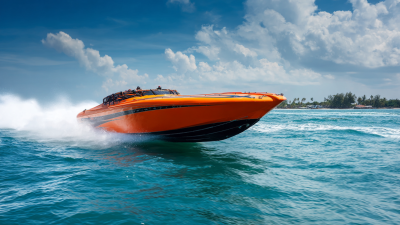
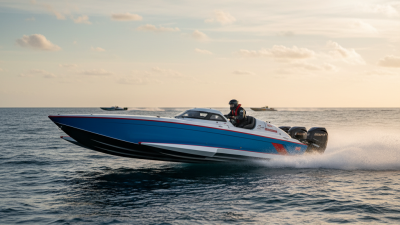
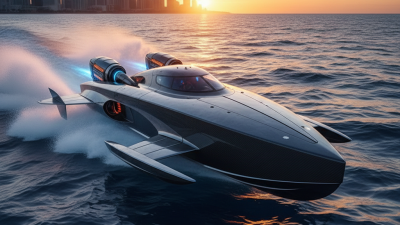
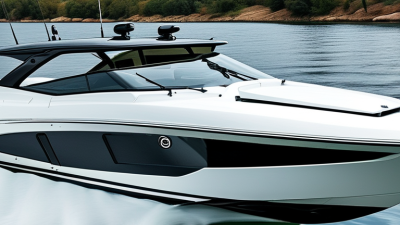
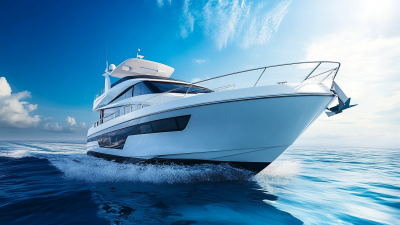
When it comes to competitive sailing, the term "Racing Boat" covers a pretty wide range of vessels built for speed and performance. I remember talking to the famous sailor and designer Alex Thompson—he once said, “Picking the right racing boat can genuinely be a game-changer for your performance.” That really hits home, especially when you start thinking about all those different racing categories, like Offshore Racing Speed Boats. It’s all about understanding what each type offers.
Choosing the perfect racing boat isn’t just about size or weight—it’s a bit of a balancing act. You’ve got to think about the hull design, too, because every little detail can make a difference in how a boat handles different conditions. For example, bigger boats might handle choppier waters a bit better, while lighter ones tend to be faster on open stretches. But here’s the thing: no matter what specs a boat has, it only works if it matches your skills and your race strategy.
And honestly, a racing boat isn’t just some piece of equipment. It’s got a personality—it’s gotta feel like an extension of you. A lot of sailors will tell you they've gone through quite a bit trying to find that perfect boat—that one that clicks with their style and feel. The process of picking out your ideal "Racing Boat" can be just as exciting as the races themselves. When you get these little things right, it really helps improve your performance and makes sailing a lot more enjoyable, too.
What Defines a Racing Boat?
A racing boat is a specialized vessel designed for speed and agility. What truly defines a racing boat is its lightweight construction, hydrodynamic shape, and advanced materials. These features allow the boat to slice through the water, maximizing performance. Sailboats and powerboats both fit this category, tailored for competitive environments.
When choosing a racing boat, consider the intended use. Will you race in calm lakes or open oceans? Size matters too; a longer hull generally means better speed. However, a smaller boat may offer more control during tight turns. Evaluate your own comfort and skill level. Newcomers may benefit from a more stable craft, while seasoned racers can opt for speed-focused designs.
Tips: Always test the boat in various conditions. This experience reveals its true handling. Plus, using data from previous races can help you gauge what works best. Do not underestimate the importance of maintenance. Regular checks can prevent issues that might affect performance. Lastly, seek advice from seasoned racers. Their insights can guide you to make the right choice.
Types of Racing Boats: An Overview
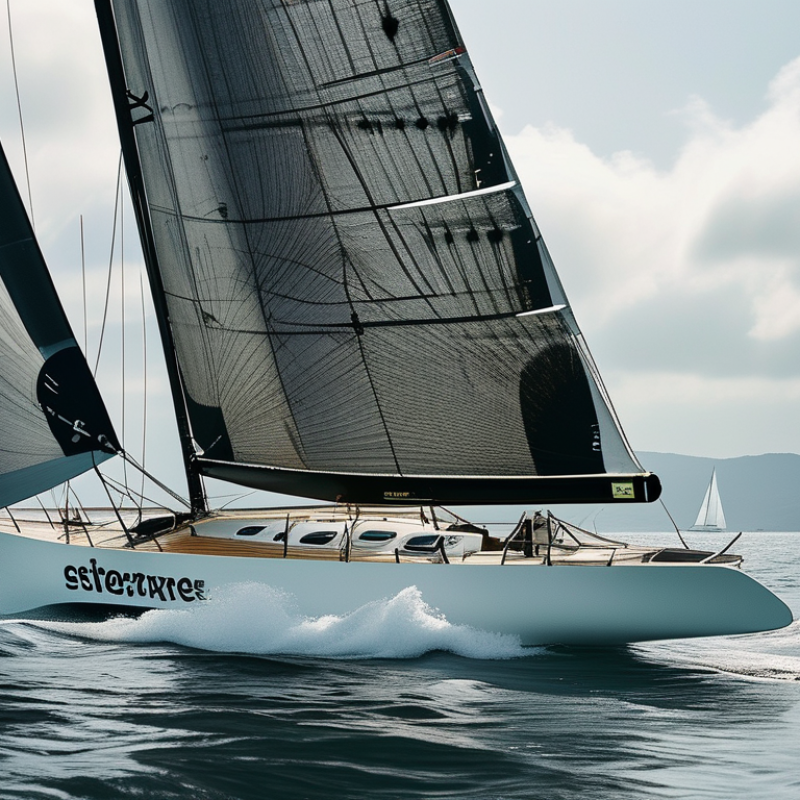
Racing boats come in various types, each designed for specific conditions and competitive events. Understanding these types is crucial for choosing the right vessel. Sailboats are popular in racing for their reliance on wind, featuring designs like catamarans and monohulls. According to the National Sailing Association, monohulls dominate major sailing competitions for their stability.
Powerboats, on the other hand, excel in speed-based events. These boats have different categories, including inboard and outboard motors. A report by the International Powerboat Federation highlights that outboard motorboats can reach speeds over 100 mph in racing conditions. This speed can greatly influence race outcomes.
Tips: Consider your experience level before selecting a racing boat. If you're new, a simpler design may suit you better. For seasoned racers, advanced features can enhance performance, but they also increase maintenance complexities. When selecting a boat, think about your local racing regulations. Some events might impose restrictions on certain types of boats. Balancing speed, durability, and compliance is key.
Key Features to Consider When Choosing a Racing Boat
When choosing a racing boat, several key features deserve attention. First, consider the hull design. A streamlined hull enhances speed and maneuverability. Flat-bottom hulls are stable but slower, while deep-V hulls cut through waves efficiently. Think about how the hull shape fits your racing style and conditions.
Weight also plays a crucial role. Lighter boats accelerate faster but may sacrifice stability. Balance is essential. Too light can mean a bumpy ride; too heavy can hinder speed. Test different weights to find your ideal balance.
Sail configuration is another important aspect. Rigs can vary significantly in performance. Depending on wind conditions, a larger sail area could be beneficial. However, it may also require more control. Each setup has its trade-offs. Exploring these options comes with trial and error. Don’t be afraid to experiment with various combinations. Consider the level of skill and comfort when making decisions.
Racing Boat Features Comparison
Materials Used in Racing Boat Construction
When selecting a racing boat, the materials used in its construction play a crucial role. Lightweight and durable materials help optimize speed and maneuverability. Common choices include fiberglass, carbon fiber, and aluminum. Fiberglass is popular for its affordability and resistance to corrosion. Many entry-level racers favor this material for everyday use.
Carbon fiber, known for its high strength-to-weight ratio, offers superior performance. Boats made from carbon fiber can achieve higher speeds, making them ideal for competitive racing. However, they come with a higher price tag. Aluminum is another alternative; it's tough and can withstand harsh conditions. Yet, it may not offer the same speed potential as other materials.
In the quest for the best racing boat, each material has its advantages and disadvantages. Some boaters may prefer the cost-effectiveness of fiberglass while others chase the performance of carbon fiber. Finding the right balance is key. Reflecting on personal needs can lead to a better choice. Remember, a Boat High Speed Boat should align with your racing goals and expectations.
Performance Factors: Speed, Maneuverability, and Stability
When selecting a racing boat, performance factors like speed, maneuverability, and stability are crucial. A racing boat's speed is often its most captivating feature. The right boat can cut through water with agility and grace. Many boats harness lightweight materials to enhance speed. This design can occasionally compromise stability. A boat that is too light may feel unsteady in rough waters.
Maneuverability is another vital aspect. A boat that turns sharply can give an edge in tight races. Some designs focus on a narrower hull for better handling during sharp turns. This can also lead to challenges in maintaining speed. Finding the right balance between speed and maneuverability is essential. It's worth reflecting on your skill level as a driver when choosing this balance.
Stability might seem less exciting, but it is crucial for any serious racer. A stable boat can navigate choppy waters effectively without losing speed. This is where some boats struggle, especially under extreme conditions. Sports Boat High Speed Boat designs aim to maximize stability while maintaining performance. Always consider how the boat handles various water conditions. Testing different models can reveal their strengths and weaknesses. Each choice brings the racer closer to perfecting their craft.
Budgeting for Your Racing Boat Purchase
Budgeting for a racing boat is a crucial step for any aspiring competitor. The cost can vary widely, often stretching from a few thousand to multiple hundreds of thousands of dollars. According to industry reports, the average budget for a competitive racing boat is around $70,000. However, this does not include maintenance, transportation, and outfitting costs. Many forget that these additional expenses can add up significantly over time.
When choosing a racing boat, it’s important to weigh value against your financial capacity. For example, new models boast advanced technology and lightweight materials but often come with premium price tags. A Luxury Boat not only enhances performance but also provides greater comfort. However, it may lead to overspending if not budgeted carefully. Consider previously owned models as a cost-effective option. They can deliver the same performance without the hefty new price.
Moreover, many buyers fail to account for ongoing costs like insurance and storage. These can represent 10-20% of the purchase price annually. Assessing your total budget will ensure you're not caught off guard. A thorough financial plan is vital. You may find a perfect boat, but it’s essential to remain within your means. Balancing your desire for a Luxury Boat with realistic budgeting will lead to a more satisfying purchase experience.
Essential Accessories and Equipment for Racing Boats
When selecting a racing boat, it's crucial to consider essential accessories and equipment. High-quality sails are fundamental. They significantly impact speed and maneuverability. A recent industry report highlighted that competitive racers can improve their performance by up to 12% with optimal sail design. Choosing the right material for sails, such as mylar or dacron, can enhance durability and responsiveness.
Another vital component is the rigging system. It should be lightweight yet robust. Properly adjusted rigging can facilitate better handling, especially in strong winds. Research indicates that boats with advanced rigging systems, like those used on Patrol Boats, experience fewer capsizes. This enhanced control inspires confidence in racers of all levels.
Safety gear is also non-negotiable. Every racer should have a life vest and a personal flotation device. In 2021, safety equipment-related incidents accounted for nearly 30% of racing accidents. Ensuring compliance with safety standards can safeguard participants. It's essential to regularly inspect and update all gear, as wear and tear can lead to unforeseen challenges during races.
What is a Racing Boat and How to Choose the Best One? - Essential Accessories and Equipment for Racing Boats
| Dimension | Description | Recommended Size |
| Length | Overall length of the boat which affects speed and handling. | 20 to 30 feet |
| Width | Beam width affects stability and speed. | 5 to 8 feet |
| Weight | Lightweight materials for better performance. | 300 to 800 pounds |
| Sail Area | Total area of sails which contributes to speed. | 400 to 600 square feet |
| Keel Type | Type of keel affects stability and upwind performance. | Fin Keel for optimal performance |
| Accessories | Essential gear for racing includes safety and performance gear. | Life jackets, harnesses, and GPS |
Maximizing Family Boating Adventures: The Impact of Quality Bimini Tops on Safety and Comfort in the 15ft Speed Boat Market
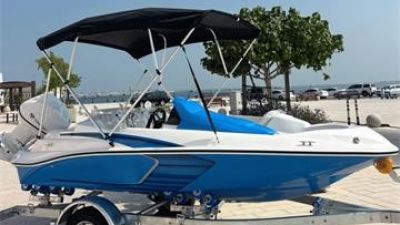
When it comes to family boating adventures, safety and comfort are paramount, especially in the compact 15ft speed boat market. One key element that significantly impacts both safety and comfort is the quality of bimini tops. These essential accessories not only provide shelter from the sun but also enhance the overall boating experience for families. A well-constructed bimini top can effectively shield passengers from harmful UV rays, allowing for longer and more enjoyable outings on the water.
Moreover, a sturdy bimini top contributes to the boat's stability, particularly during high-speed maneuvers. Families can navigate with more confidence, knowing that they have reliable protection against sudden weather changes or unexpected splashes. The right bimini top should be designed for ease of use, ensuring that it can be deployed or stowed quickly, which is especially important when managing children onboard. Thus, investing in a high-quality bimini top not only boosts safety but also enhances comfort, creating a more pleasant atmosphere for family bonding during boating excursions.
In summary, prioritizing the selection of a quality bimini top can transform the family boating experience. By ensuring optimal protection and comfort, families can focus on creating lasting memories on the water, fostering a love for boating that can be passed down through generations. Whether enjoying a leisurely cruise or engaging in more thrilling activities, having the right bimini top plays a crucial role in maximizing those adventures.
FAQS
: A racing boat is designed for speed and agility. It includes sailboats and powerboats made for competition.
Consider the intended use. Will you race in calm or open waters? Size and stability are also crucial.
A streamlined hull enhances speed and maneuverability. Different shapes impact stability and overall performance.
Lighter boats accelerate faster, but may lose stability. Find a balance that ensures speed and a smooth ride.
The average budget is around $70,000. Remember to factor in maintenance and additional costs.
Used boats can offer good performance at lower prices. New models provide advanced features but at higher costs.
Include costs for insurance and storage in your budget. They can represent 10-20% of the purchase price annually.
Newcomers should choose a stable craft. Testing under various conditions can also enhance understanding of boat handling.
Regular maintenance is vital. It prevents issues that could affect performance during races. Don’t overlook this aspect.
Experienced racers provide valuable insights. Their advice can guide your decisions based on their trials and successes.
Conclusion
A racing boat is specifically designed for competitive speed and agility on water, characterized by its sleek and aerodynamic shape. When selecting the best racing boat, it's essential to understand the various types available, each suited for different racing conditions, from offshore to dinghy racing. Key features to consider include hull design, weight, and rigging, which significantly impact performance factors such as speed, maneuverability, and stability.
Construction materials play a crucial role in the overall performance and durability of racing boats, with options ranging from lightweight composites to traditional wood. Budgeting is also an important aspect, as the costs can vary significantly based on the type and features of the boat. Additionally, equipping your racing boat with the right accessories and equipment can enhance your racing experience, ensuring optimal performance during competitions.