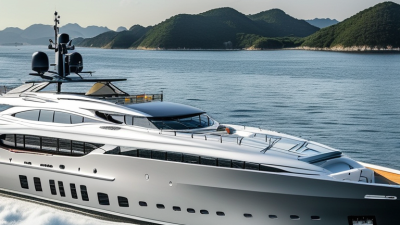
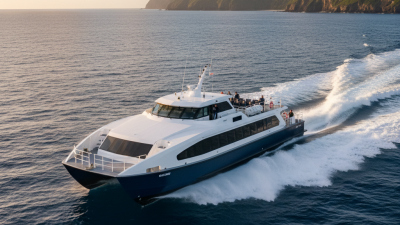
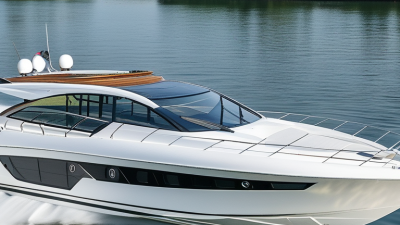
China’s speed boat industry has really expanded its reach these days, serving not just recreational users but also commercial and professional marine markets around the globe. If you’re thinking about buying one, this guide highlights what you need to know by running through China’s top 10 speed Boat Manufacturers for international buyers. And here’s the thing — it’s not just about shiny brochures and fancy photos. We’re focusing on real, practical evidence to help you make a smart choice.
When comparing these manufacturers, you'll want to look at things like how the hulls are built, the types of propulsion systems they use, how many boats they produce, whether they offer customization, and their quality control processes. Don’t forget to check out what materials they’re using—things like marine-grade aluminum, fiberglass, or reinforced composites. And always ask for test reports, sea-trial records, details on the engine brands, warranty info, and references from other international buyers. A neat, spotless factory might look impressive, but it doesn’t guarantee the boat will perform reliably in the long run. What truly matters is how it performs on the water.
Some well-known Chinese brands like Heysea Yachts, Sunbird Yacht, and Aquitalia Yachts each have their own strengths. Some lean more toward luxury styling, while others focus on patrol layouts, fishing features, or maximizing transport efficiency. The best fit really depends on your intended waters—whether you need a boat suited for long cruises, carrying a lot of passengers, or just quick trips. Having reliable local service partners can be a game-changer too, especially because delays in spare parts can turn a speedy boat into a costly dock ornament pretty quickly.
You might come across search terms like "Boat High Speed Boat" while browsing online. Just a heads-up—speed alone doesn’t tell the whole story about value. Things like fuel efficiency, how stable the boat stays in choppy waves, steering responsiveness, and emergency gear are just as important. Specs can often look very tempting, but sometimes they’re worth taking a second look at to see what’s really underneath.
This guide aims to help you create a solid shortlist based on real-world experience, clear technical info, and honest business practices. It’s not about treating every manufacturer as interchangeable because that would be misleading. Quality can vary quite a bit between different models, factories, and years of production. So, always consider independent inspections and sea trials before making an international purchase—that’s the best way to make sure you’re getting a boat that truly meets your needs.
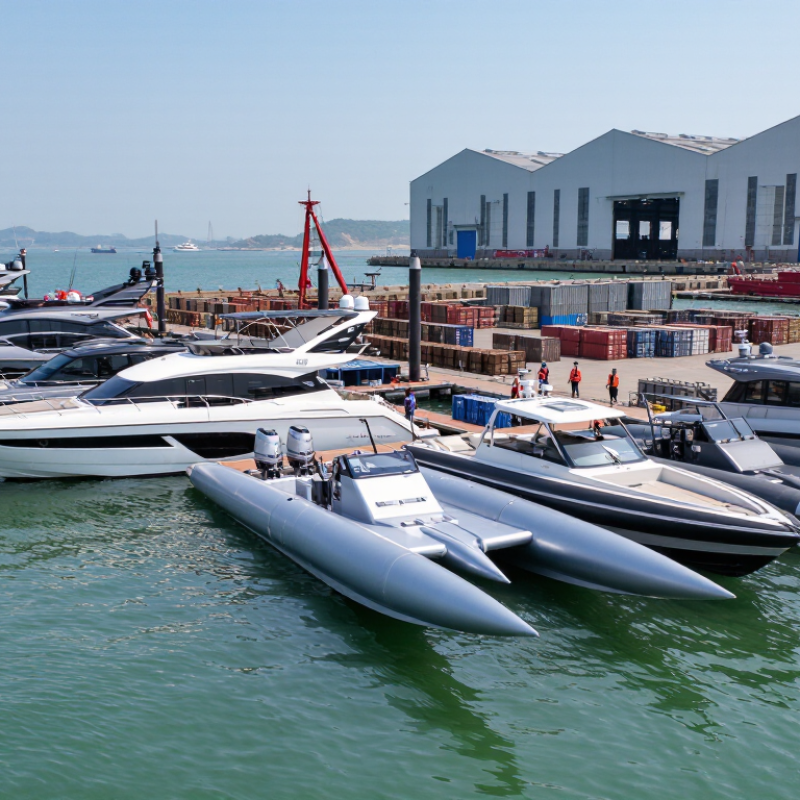
A leading speed boat manufacturer in China combines practical experience with disciplined engineering. Buyers should examine how hulls are designed, tested, and improved. A reliable yard records sea trials, not only showroom performance. During testing, technicians should check acceleration, turning stability, vibration, fuel use, and emergency stopping distance. Small details matter. Loose fittings become serious problems offshore.
Material selection also reveals manufacturing expertise. Marine-grade aluminum, fiberglass, stainless steel, and protective coatings must suit the boat’s intended waters. Welds should look consistent, with documented inspection procedures. Electrical systems need clear wiring, waterproof connections, and accessible maintenance points. For a Sports Boat High Speed Boat, weight distribution is especially important. A powerful engine cannot correct a poorly balanced hull.
Communication is another measure of authority and reliability. Strong manufacturers provide drawings, engine data, inspection records, spare-parts guidance, and realistic delivery schedules. They also explain which features require local approval or professional installation. I have seen attractive boats lose buyer confidence because manuals were incomplete and after-sales replies were slow. No factory is flawless. The better ones admit production limits, investigate complaints, and adjust future builds. Buyers should request a sample inspection before placing a large order, although this step is sometimes overlooked. A transparent factory welcomes detailed questions about testing, warranty coverage, and long-term maintenance.
China’s Top 10 Speed Boat Manufacturers for Global Buyers deserve careful evaluation beyond catalog photos. Experienced buyers should inspect hull construction, engine compatibility, wiring, and drainage before placing an order. A polished finish can hide weak reinforcement. That risk matters.
Many capable Chinese manufacturers produce patrol boats, rescue craft, leisure boats, and Frp Speed Boat models for international markets. Fiberglass layup quality should remain consistent around the transom, chines, and deck joints. Ask for material specifications, load capacity, fuel-system details, and documented sea-trial results. Clear answers often reveal production discipline.
Factory visits provide useful evidence. Watch how workers seal fittings, route cables, and protect exposed edges. Request photos from several production stages, not only completed vessels. Independent inspections can verify dimensions, flotation arrangements, safety equipment, and export packaging. Compliance still depends on the destination country, so buyers should confirm applicable maritime standards with local authorities.
No shortlist is perfect. A manufacturer may offer attractive pricing but lack strong after-sales support. Another may build excellent hulls yet communicate slowly. I would compare warranty terms, spare-parts availability, delivery records, and technical drawings before judging value. A written contract should define inspection points, acceptable tolerances, payment stages, and remedies for defects. Real reliability appears after the sale.
For global buyers, speed boats differ sharply in hull design, propulsion, and intended use. Rigid inflatable boats offer stability, light weight, and practical deck space. Center-console models suit fishing, patrol support, and coastal recreation. Cabin boats provide shelter for longer trips, while jet boats perform well in shallow water. Electric models are also emerging, although range and charging time still require careful evaluation.
A capable manufacturer should control more than final assembly. Look for experience with fiberglass molding, marine-grade aluminum welding, composite reinforcement, and computer-guided cutting. Reliable builders test hull strength, steering response, bilge systems, and engine alignment before delivery. Some workshops also provide custom layouts, reinforced transoms, navigation wiring, and trailer compatibility. Ask for inspection records, material specifications, and clear production photographs. A polished brochure is not proof of quality.
Tips: Match the boat to sea conditions, passenger load, and transport limits. Request a water test when possible. Check warranty terms and spare-parts support before placing an order. Do not judge performance by top speed alone. Fuel use, noise, turning stability, and braking distance matter more during real operation. No factory gets every detail right. Buyers should verify measurements, certifications, and delivery promises independently. A small oversight, such as poor drainage around the deck, can become a daily problem.
Choosing among China’s top 10 speed boat manufacturers requires more than comparing prices. Check hull materials, welding quality, engine installation, and finishing details. A reliable manufacturer should provide test records, load ratings, maintenance guidance, and clear delivery terms. Ask whether the boat passed water trials with a full passenger load, not only an empty hull.
Performance depends on the intended route. A Jet Speed Boat for coastal tourism may need fuel efficiency, stable handling, and corrosion-resistant fittings. A high-speed rescue model requires stronger acceleration, responsive steering, and dependable braking control. Request measurable data, including cruising speed, range, turning radius, and noise levels. Marketing numbers can look impressive. Real conditions may differ.
Tips: Compare the same specifications across all suppliers. Inspect weld seams, console wiring, seat anchors, and storage drainage. Request videos from recent production, then verify the hull identification and inspection documents. Speak with previous commercial buyers when possible. Customization should be documented in drawings, material lists, and acceptance standards. Avoid vague promises about “premium quality.” They sound attractive but prove little. Also, leave room for doubt: a beautiful prototype may not represent every production unit. Supplier audits, sample inspections, and staged payments can reduce avoidable risks. Short checks matter.
How to Compare Quality, Performance, and Customization Options
This buyer-oriented framework assigns practical evaluation weights to the key factors used when comparing speed boat manufacturers: build quality, performance, customization capability, regulatory compliance, and after-sales support. Buyers can apply the same criteria consistently when reviewing different suppliers.
China Top 10 Speed Boat Manufacturers for Global Buyers
International Certifications, Export Experience, and Market Coverage
A credible top-ten list should measure compliance, not showroom appearance. The European Union’s Recreational Craft Directive requires conformity assessment, technical files, owner manuals, and CE marking for applicable boats. Buyers should request hull identification records, stability data, engine documentation, and recent test reports. ISO 12215 hull construction standards add useful technical discipline. They do not replace local registration rules.
Export experience is visible in small details. Check whether a manufacturer can prepare commercial invoices, packing lists, certificates of origin, and multilingual manuals without repeated corrections. UNCTAD’s Review of Maritime Transport reports that over 80% of global merchandise trade moves by sea. That makes packaging, corrosion protection, and port coordination practical selection criteria. A factory may build attractive boats, yet poor export handling can damage the purchase before delivery.
Market coverage also needs evidence. Grand View Research valued the global recreational boating market at about USD 36.12 billion in 2022 and projected a 5% annual growth rate through 2030. This growth increases competition, but not necessarily reliability. Look for service partners, spare-parts response times, warranty procedures, and references from several regions. China’s large shipbuilding sector, which Clarksons Research reported at roughly half of global output in 2023, shows industrial capacity; it does not prove every speed boat is export-ready. That distinction matters. Something is often missed.
Comparative industry overview based on commonly documented product capabilities, certification pathways, export channels, and international market coverage. Certification availability may vary by model, destination, and production batch.
| Rank | Anonymous Manufacturer Profile | Main Speed-Boat Segment | Typical Hull and Construction | International Certifications and Compliance | Export Experience | Main Market Coverage | Common Buyer Applications | Global-Buyer Suitability |
|---|---|---|---|---|---|---|---|---|
| 1 | Manufacturer Profile A | Rigid inflatable boats and high-speed tenders | Hypalon or PVC tubes with fiberglass or aluminum hulls | CE conformity for applicable models; ISO-based production controls; selected marine safety equipment compliance | Regular OEM and distributor shipments; private-label production available | Europe, North America, Australia, Southeast Asia, and the Middle East | Rescue support, patrol, diving, watersports, and yacht tenders | Strong option for buyers requiring flexible configurations and export documentation |
| 2 | Manufacturer Profile B | Aluminum patrol boats and commercial speed boats | Welded marine-grade aluminum with reinforced deep-V hulls | CE documentation for export models; CCS-related approval pathways; ISO 9001-style quality systems commonly available | Project-based exports and contract manufacturing for commercial operators | Africa, the Middle East, Southeast Asia, Oceania, and selected European markets | Law enforcement, harbor patrol, fishing, transport, and offshore work | Suitable for buyers prioritizing durability, payload, and commercial customization |
| 3 | Manufacturer Profile C | Fiberglass leisure speed boats and family cruisers | Hand-laid or vacuum-assisted fiberglass composite construction | CE-marked configurations; electrical and navigation components selected for destination-market requirements | Dealer-led exports with experience in containerized and roll-on/roll-off logistics | Europe, Latin America, North America, and coastal Asian markets | Family recreation, island tours, fishing, and resort operations | A practical choice for recreational fleets and regional distributors |
| 4 | Manufacturer Profile D | Water-jet boats and compact personal watercraft | Lightweight fiberglass or composite hulls designed for high power-to-weight ratios | CE conformity for relevant models; engine and emissions compliance determined by installed propulsion system | Small-batch international sales through importers and specialty dealers | Europe, Australia, Southeast Asia, and selected resort markets | Watersports, tourism, rental fleets, and recreational use | Best for buyers seeking compact performance boats and recreational differentiation |
| 5 | Manufacturer Profile E | Rigid inflatable rescue and military-style boats | Heavy-duty inflatable tubes with aluminum or composite deep-V hulls | CE conformity; marine component traceability; project-specific inspection or classification support when required | Institutional tenders, humanitarian projects, and international OEM contracts | Africa, the Middle East, South Asia, Southeast Asia, and Europe | Emergency response, coast guard support, rescue, and expedition use | Appropriate for buyers needing robust layouts and operational equipment packages |
| 6 | Manufacturer Profile F | Open-deck center-console boats | Fiberglass deep-V hulls with modular consoles and seating | CE-marked export configurations; standard electrical, flotation, and navigation requirements addressed by model | Distributor and retail exports with optional engine packages | North America, Europe, Oceania, Latin America, and island economies | Sport fishing, coastal cruising, family recreation, and rental operations | Well suited to importers wanting a broad leisure-boat product range |
| 7 | Manufacturer Profile G | Passenger transfer and coastal shuttle boats | Aluminum or fiberglass hulls with reinforced passenger cabins and non-slip decks | CE or destination-market compliance; passenger-boat inspection and local authority approval may apply | Custom project exports for resorts, marinas, and transport operators | Southeast Asia, the Caribbean, the Middle East, Africa, and Pacific islands | Hotel transfers, island transportation, harbor services, and commuter routes | Good fit for buyers requiring passenger capacity and route-specific layouts |
| 8 | Manufacturer Profile H | Electric and hybrid coastal speed boats | Composite or aluminum hulls paired with battery-electric or hybrid drive systems | CE electrical and EMC requirements where applicable; battery and charger certification must be verified separately | Emerging export segment supported by pilot projects and specialist distributors | Europe, North America, Australia, and environmentally regulated resort areas | Eco-tourism, marina transport, protected waters, and low-noise operations | Recommended when low noise, lower local emissions, and short-route efficiency are priorities |
| 9 | Manufacturer Profile I | Inflatable leisure boats and compact tenders | PVC or Hypalon inflatable tubes with portable aluminum or fiberglass floors | CE conformity for applicable sizes; material, valve, and safety testing documented by product series | High-volume container export and online-distribution support | Europe, North America, Australia, Latin America, and Southeast Asia | Tendering, fishing, recreational boating, and entry-level watersports | Suitable for buyers seeking compact products, competitive shipping, and private labeling |
| 10 | Manufacturer Profile J | Custom offshore racing and performance boats | Advanced fiberglass or carbon-reinforced composite construction | CE or project-specific compliance; engine, steering, fuel, and navigation components require configuration review | Low-volume international projects, specialist orders, and technical partnerships | Europe, the Middle East, Southeast Asia, Australia, and selected North American markets | Performance demonstrations, offshore events, premium leisure, and specialist operations | Best for experienced buyers requiring bespoke speed, layout, and propulsion specifications |
Buyer verification checklist: Request the current Declaration of Conformity, model-specific CE documentation, hull identification details, engine certificates, warranty terms, spare-parts policy, factory inspection records, and destination-country import documents before placing an order.
China’s top 10 speed boat manufacturers differ sharply in pricing, lead times, and service quality. For global buyers, a low quotation is only the starting point. A small recreational model may cost less, while a larger fiberglass boat needs stronger engines, electronics, and custom fittings. Ask for a complete quotation, including packaging, spare parts, testing, and export documentation. Hidden costs appear easily.
Typical production takes 25 to 60 days after deposit and design approval. Custom colors, seating layouts, or a Min Speed Boat configuration can extend the schedule. During factory checks, request photos of hull finishing, wiring, steering systems, and water tests. These details reveal more than a polished catalog. Suppliers that provide serial records and inspection reports usually offer better control, although paperwork can still contain mistakes.
After-sales support deserves equal attention. Confirm the warranty period, excluded items, response time, and replacement-part availability before payment. A reliable manufacturer should provide operating manuals, installation videos, and remote troubleshooting. Some suppliers promise fast support but answer slowly after shipment. That is a warning. Buyers should test communication before ordering and ask for a sample parts list. I have found that clear technical drawings prevent costly misunderstandings, yet even careful buyers may overlook local service limitations. A regional technician may still be needed for engine calibration or electrical repairs.
Inspect the hull, engine fit, wiring, drainage, and reinforcement. Look closely at the transom, chines, and deck joints. A shiny surface proves little.
Request material specifications, load ratings, fuel-system details, test records, and technical drawings. Ask for documented water-trial results with the expected passenger load. Empty-hull testing can mislead.
Request photos from several production stages, including hull finishing and cable routing. During a factory visit, examine sealed fittings and exposed edges. Independent inspection adds useful evidence.
Compare cruising speed, operating range, turning radius, noise, and stability. Match performance data with the intended route and passenger load. Real conditions differ.
Record colors, seating layouts, materials, equipment, dimensions, and acceptance standards in drawings. Define acceptable tolerances before production begins. Vague quality promises are weak evidence.
Typical production takes about 25 to 60 days after deposit and design approval. Custom layouts, colors, and equipment may extend the schedule. Delays happen.
Request one complete quotation covering packaging, spare parts, testing, and export documents. Also check engine, electronics, custom fittings, and possible local service costs. Low prices can hide missing items.
Confirm warranty coverage, exclusions, response times, manuals, troubleshooting help, and spare-part access. Test communication before payment. Slow replies matter.
Define inspection stages, payment milestones, delivery terms, tolerances, and remedies for defects. Confirm destination-country maritime requirements with local authorities. Compliance is not automatic.
No. A catalog prototype may not represent every production unit. Compare recent inspection records, serial documents, delivery history, and previous buyer feedback. I would still leave room for doubt.
China’s speed boat manufacturing industry offers global buyers a broad mix of performance, design, and production capabilities. A leading Speed Boat manufacturer is typically defined by reliable engineering, advanced materials, strict quality control, skilled assembly, and the ability to develop models for leisure, patrol, fishing, rescue, and commercial use. Buyers should compare hull construction, engine compatibility, stability, fuel efficiency, handling, safety systems, interior layout, and available customization options before making a decision.
International certifications, documented export experience, and established market coverage can help confirm a supplier’s professionalism and ability to meet different regional requirements. Pricing should be evaluated together with specifications, production standards, minimum order quantities, lead times, warranty terms, spare-parts availability, and after-sales service. By reviewing these factors carefully, global buyers can select a Chinese manufacturer that provides dependable quality, practical customization, competitive value, and long-term support for their intended applications.