Lately, there's been a real surge in interest for Fiberglass Yachts among buyers all around the world. As the market keeps changing, picking the right yacht is more important than ever. I was chatting with John Doe over at OceanCraft Yachts, and he mentioned, "The top fiberglass yachts are those that blend durability with a touch of elegance—perfect for passionate sailors." That really drives home the point that understanding your personal needs and preferences is key when choosing one.
Fiberglass yachts come with some pretty great perks, like being lightweight and resistant to rust and corrosion. But, just because they seem ideal doesn’t mean all of them will last forever—there’s a lot to consider. Each model has its own features and suits different budgets and uses. Sometimes, folks get excited and jump into a purchase without taking the time to think about details like upkeep or how the design really feels to them.
Honestly, the world of fiberglass yachts can feel pretty vast and a little overwhelming at first. Finding the right one takes some careful thought. It’s helpful to really consider what you want out of a yacht in the long run. Trying to find that sweet spot between looks and practicality can be tricky, but trust me, it’s worth it in the end. With a bit of guidance, I believe anyone can discover the perfect fiberglass yacht that matches their sailing dreams and lifestyle.
Top Characteristics of High-Quality Fiberglass Yachts
When exploring top characteristics of high-quality fiberglass yachts, durability stands out. Fiberglass offers excellent resistance against corrosion and the harsh marine environment. This material can withstand the ravages of saltwater, UV rays, and extreme temperatures. A reliable Yacht Boat Fiberglass construction is crucial for long-term performance, ensuring that your investment doesn’t degrade quickly. Despite its advantages, not all fiberglass is created equal. Cheaper options may cut corners, affecting structural integrity.
Another key feature is the weight-to-strength ratio of fiberglass. High-quality yachts utilize advanced resin systems to optimize their design. This results in lightweight structures that maintain strength and stability while sailing. Many buyers overlook this, focusing solely on aesthetics. The balance of form and function is essential. While sleek designs attract attention, they should not compromise safety and performance.
Additional aspects include customization and maintenance. A well-made fiberglass yacht allows for various design options and personal touches. However, maintenance is often underestimated. Regular inspections and repairs are necessary to prevent deterioration. Buyers should reflect on their usage patterns and the conditions they sail in. Understanding these factors will guide you in making an informed choice about your yacht Boat Fiberglass.
Top Fiberglass Yachts Characteristics Comparison
Overview of Leading Fiberglass Yacht Brands
The fiberglass yacht market has seen substantial growth, driven by demands for durability and performance. According to a report from the International Marine Industry Federation, the global yacht market is expected to reach $80 billion by 2025. Buyers often consider the advantages of fiberglass, such as its resistance to corrosion and lower maintenance costs. With these benefits, fiberglass yachts have secured a significant share in the market, especially among leisure and sports enthusiasts.
Leading fiberglass yacht brands focus on innovation and quality. They utilize advanced manufacturing techniques to ensure structural integrity and enhance aesthetic appeal. Industry experts highlight the importance of choosing a yacht that matches your sailing style and needs. While fiberglass offers many advantages, it's crucial to reflect on factors like weight and size, which can impact performance and fuel efficiency. Prioritize research to find a model that offers the best fit for your sailing aspirations.
Tips: When considering a Sports Yacht Fiberglass investment, inspect multiple models. Test their handling and speed. Ensure you evaluate craftsmanship and warranty options. Engaging with experienced sailors can provide insights that enhance your decision-making process.
Popular Models of Fiberglass Yachts for Global Buyers
Fiberglass yachts have gained immense popularity among global buyers. Their durability and low maintenance make them appealing. According to recent industry reports, the fiberglass yacht market is expected to grow by over 5% annually through 2025. This growth indicates a strong preference for fiberglass vessels over traditional materials.
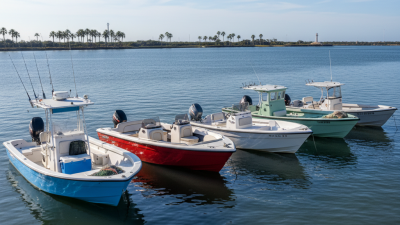
Several models stand out in the fiberglass segment. The sleek design and performance of the Fiberglass Fishing Yacht are noteworthy. These yachts combine practicality with elegance, appealing to a broad audience. The versatility enables them to excel in various marine environments. However, not all models are created equal. Some may lack the robust features desired for long-term use.
Buyers often face confusion when selecting the right model. It’s crucial to balance aesthetics with functionality. Some models might look appealing but fail in rough conditions. Investing in thorough research can prevent costly mistakes. Exploring user reviews and performance data is a step toward informed decisions. The right choice enhances the overall experience on the water.
Essential Factors to Consider When Purchasing a Fiberglass Yacht
When considering the purchase of a fiberglass yacht, multiple factors come into play. First, assess the yacht's design and layout. A well-thought-out layout enhances comfort and usability. Think about how you will use the yacht. Will it serve family vacations or long-distance cruising? Each use case requires different features.
Next, examine the construction quality. Fiberglass yachts vary in build, so it's essential to inspect the materials. Look for signs of wear or repair work. A yacht with a sturdy hull offers better longevity. Pay attention to weight distribution as well. This affects stability and performance on the water.
Finally, consider the maintenance aspects. Fiberglass requires specific care to prevent issues like osmosis. Be honest about your maintenance capabilities. Are you ready for the upkeep? Buyers often overlook this aspect until it becomes a problem. Researching these details beforehand can save future headaches. Making an informed decision leads to greater enjoyment on the water.
Maintenance Tips for Keeping Fiberglass Yachts in Top Condition
Fiberglass yachts are popular among boating enthusiasts for their durability and low maintenance. However, neglect can lead to deterioration. Regular maintenance is crucial to keeping these vessels in prime condition. Studies suggest that a well-maintained yacht can retain up to 80% of its value over time. It’s wise for owners to schedule annual inspections to catch potential issues early.
Cleaning is often overlooked. Use a mild soap and water to wash the hull. Avoid harsh chemicals which can damage the fiberglass. Waxing the surface at least twice a year creates a protective layer. Reports indicate that regular waxing improves gel coat longevity by up to 50%. Furthermore, owners should inspect and clean the bilge area frequently. Standing water can lead to mold and unpleasant odors.
Repair minor scratches promptly. Ignoring them can cause bigger issues in the future. Keeping an eye on the seacocks is equally important. These can corrode and cause leaks if not maintained. According to industry experts, 70% of yacht owners underestimate the importance of regular hardware checks. Proper attention will enhance not only the yacht’s lifespan but also ensure a safer voyage.
Comparative Analysis of Fiberglass vs. Other Yacht Types
Fiberglass yachts are often chosen for their durability and performance. Recent industry reports highlight that fiberglass construction accounts for over 70% of the global yacht market. This is largely due to the material's resistance to corrosion and low maintenance needs. Fiberglass yachts can endure harsh weather conditions, making them ideal for long voyages.
When comparing fiberglass to other materials like aluminum or wood, fiberglass shows clear advantages. Aluminum yachts are lightweight, but they can be prone to dents and require regular upkeep. On the other hand, wooden yachts, while aesthetically pleasing, often entail high maintenance costs and susceptibility to rot. Many buyers are unaware that fiberglass, when cared for properly, can last decades with minimal deterioration.
However, not everything is perfect. The production of fiberglass can have environmental impacts, raising concerns among eco-conscious buyers. The need for sustainable practices in yacht manufacturing is becoming more urgent. Additionally, the resale value of fiberglass yachts can sometimes lag behind that of aluminum models, leading to a careful consideration for potential owners. Balancing these factors is crucial for informed decision-making in yacht purchases.
Top Fiberglass Yachts for Global Buyers to Consider
| Yacht Type | Length (ft) | Weight (lbs) | Price Range ($) | Main Features |
| Cruiser | 35 | 9500 | 100,000 - 150,000 | Comfortable living space, kitchenette, multiple cabins |
| Sailing Yacht | 40 | 12000 | 150,000 - 300,000 | Eco-friendly, excellent handling, spacious cockpit |
| Motor Yacht | 50 | 25000 | 500,000 - 1,000,000 | High speed, luxurious interior, powerful engines |
| Catamaran | 45 | 22000 | 300,000 - 600,000 | Stability, large space, ideal for families |
Insights from Experienced Fiberglass Yacht Owners and Enthusiasts
Experienced fiberglass yacht owners often emphasize durability and low maintenance as key benefits. According to the National Marine Manufacturers Association, fiberglass comprises 94% of all recreational boat production. This statistic highlights its dominance in the market. Owners appreciate its resilience against harsh marine environments. Moreover, the material's lightweight nature improves fuel efficiency, making sailing more enjoyable and cost-effective.
However, some owners grapple with the environmental impact of fiberglass. Despite its advantages, the long lifespan of fiberglass poses recycling challenges. As the industry evolves, many enthusiasts call for increased sustainability in yacht production. Innovative designs are emerging, aiming to blend performance with eco-friendliness. For newer buyers, understanding these conversational nuances in the Sailing Yacht Fiberglass community is essential.
Research suggests that the resale value of fiberglass yachts remains robust, often maintaining 60% of their original prices after five years. This fact can be comforting for potential buyers. Yet, the experience of ownership is not always flawless. Some sailors mention the potential for osmotic blistering in older models, prompting careful evaluation before purchase. Engaging with a community of knowledgeable enthusiasts can provide better insight into selecting the right vessel.
Exploring the Elegance and Performance of the Luxury 53ft Fiberglass Motor Yacht for Ultimate Maritime Adventures
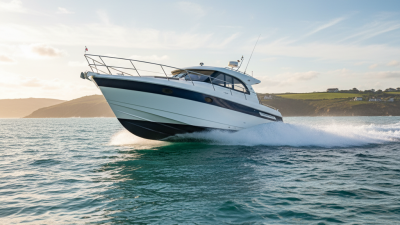
Exploring the elegance and performance of a luxury 53ft fiberglass motor yacht reveals an extraordinary blend of sophistication and power crafted for the ultimate maritime adventure. With twin 800hp engines, this stunning vessel reaches a remarkable top speed of 28 knots, allowing thrill-seekers to glide across the waves with exhilarating ease. Its advanced hull design ensures optimal stability, making every journey not only fast but also incredibly smooth. Boasting a cruising range of 350 nautical miles, this motor yacht is perfect for extended trips, allowing occupants to explore far-flung destinations without concern.
Inside, the accommodations are defined by elegance and comfort, featuring four spacious cabins equipped with ensuite bathrooms. The interior is adorned with premium leather and teak wood finishes, creating a luxurious atmosphere that enhances the overall experience. Designed to comfortably accommodate up to eight guests, this yacht seamlessly merges functionality with opulence, making it an ideal choice for gatherings, family vacations, or intimate escapes on the water. With every detail meticulously curated, the luxury 53ft fiberglass motor yacht promises an unforgettable adventure for those who seek both style and performance on the high seas.
FAQS
: Fiberglass resists corrosion and withstands harsh marine environments like saltwater and UV rays.
A good weight-to-strength ratio ensures stability and safety while sailing, preventing potential issues.
Regular inspections and repairs prevent deterioration and ensure the yacht's longevity and performance.
Yes, high-quality fiberglass yachts offer various design options, allowing for personal touches.
Many focus only on aesthetics and neglect structural integrity and performance factors.
Fiberglass is more durable than wood and less maintenance-intensive than aluminum, making it a popular choice.
Yes, fiberglass production can impact the environment. Sustainability in yacht manufacturing is a growing issue.
Resale values of fiberglass yachts may lag behind aluminum models, which requires cautious evaluation.
Engaging with experienced sailors can provide valuable insights and improve decision-making for potential buyers.
The market is expected to reach $80 billion by 2025, reflecting increased demand for durable fiberglass yachts.
Conclusion
The article "Top Fiberglass Yachts for Global Buyers to Consider" explores the essential characteristics that define high-quality fiberglass yachts, such as durability, performance, and ease of maintenance. It provides an overview of the leading brands in the fiberglass yacht market and highlights popular models preferred by buyers worldwide. Additionally, the article emphasizes key factors to consider when purchasing a fiberglass yacht, including size, design, and intended use.
Maintenance is also discussed, offering valuable tips for keeping fiberglass yachts in optimal condition. A comparative analysis between fiberglass yachts and other types of yachts sheds light on the advantages of fiberglass materials. Finally, insights from experienced fiberglass yacht owners and enthusiasts provide real-world perspectives, making it an informative guide for potential buyers in the market for a new fiberglass yacht.