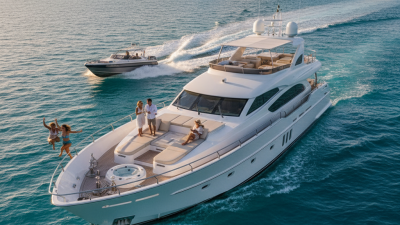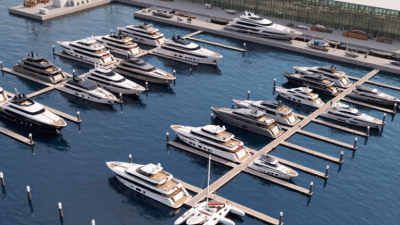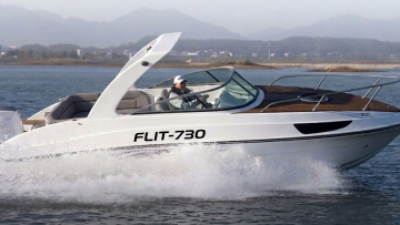
Let’s be honest—picking a leisure yacht brand isn’t just about looks. Sure, the style matters, but it’s really a practical call: range, maintenance, how comfortable you’ll be onboard, and even resale value down the road. A family sailing around the Med might care more about shaded seating and a stable cabin, whereas someone doing longer coastal cruises could be eyeing fuel capacity and how easy it is to get service. And it’s often the little things that end up making or breaking the experience.
Look, industry reports are great for getting a sense of the market, but at the end of the day they can't pick a boat for you. Take ICOMIA's Recreational Boating Industry Statistics—it tracks production and market indicators across the countries that participate. It's helpful, sure, but every country reports things a little differently. Then there's Boat International's 2024 Global Order Book, which found over 1,000 superyachts either being built or on order worldwide. That's a solid sign builders are busy, but it doesn't tell you anything about quality or whether a boat's actually right for you. Honestly, if you're planning to buy this, you really need to handle it with care.
Okay, so this guide isn’t trying to crown one yacht brand as the best. Instead, it compares some big established names using down-to-earth criteria: the range of vessels they offer, how they go about building them, how much you can customize, their dealer networks, and the after-sales support you’d actually get. You’ll see brands like Azimut, Beneteau, Sunseeker, Princess, and Ferretti Yachts pop up a lot—but keep in mind, a brand’s reputation isn’t fixed. It can really vary depending on the model and the market you’re in. Honestly, when you search for “Speed Boat Leisure”, you might think you're just looking at smaller recreational boats – but don't kid yourself. The specs still matter a lot. I mean, you've got to compare layouts, engine options, warranties, and even local service before you commit. And no ranking or review can replace a sea trial. That's the catch – published specs just don't capture how a yacht actually feels when the weather gets rough or you've got a full crew on board.
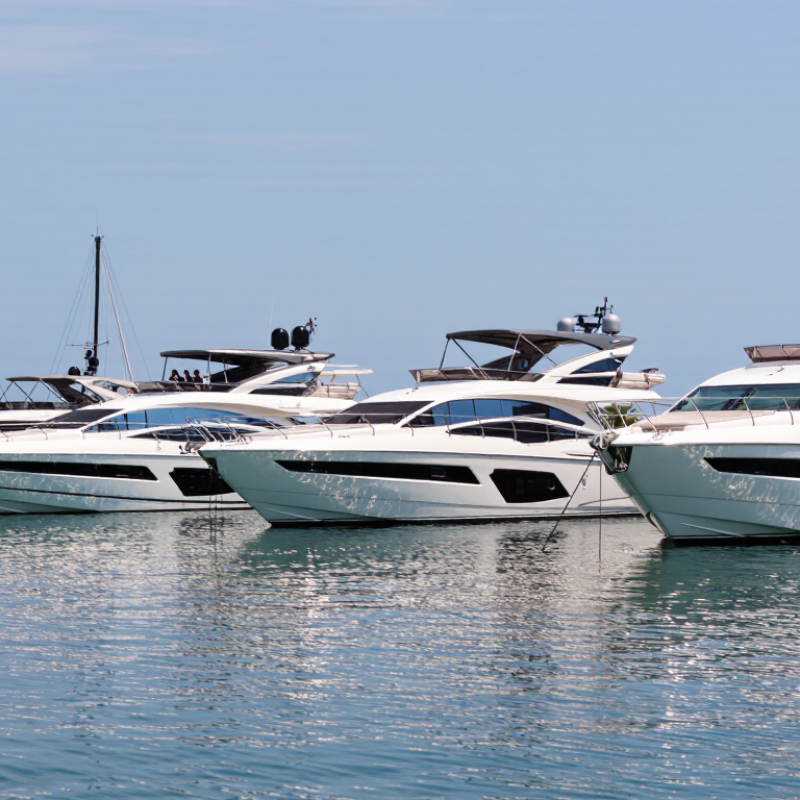
A leisure yacht brand is more than a maker of polished hulls. It represents a product range, intended use, build quality, dealer support, and ownership experience. For buyers, the category usually covers privately used vessels designed for day trips, coastal cruising, or overnight stays. Size alone does not define it. A compact cabin cruiser may serve leisure needs, while a larger vessel may be configured for commercial work.
Market scope matters. The National Marine Manufacturers Association reported that about 85 million Americans went boating in 2023. Its figure covers recreational boating broadly, not yacht buyers alone. The association’s U.S. recreational boating economic-impact research estimated $230.3 billion in annual activity. That total includes related businesses and services, so it should not be mistaken for yacht sales. Not every boat qualifies.
A useful comparison separates vessel type, length, price band, propulsion, and region. It also checks service access, warranties, and resale channels; a showroom image cannot answer those questions. A leisure boat for sale may look compelling at the dock, but storage, maintenance, and local operating conditions shape its real value. The boundary is fuzzy. Even category labels can vary between reports, so buyers should inspect definitions before trusting market rankings.
Main Types of Leisure Yachts for Global Buyers
For buyers searching “Luxurious Yacht Yacht,” the first decision is how they want to spend time on the water. Motor yachts suit fast transfers, spacious cabins, and sheltered social areas. Sailing Yachts trade speed for quieter travel and hands-on handling. Catamarans offer two hulls, a broad deck, and relatively stable movement at anchor. That extra width can make marina access more demanding.
Day yachts are designed for shorter outings, with open seating and limited overnight space. Larger motor or sailing yachts may support longer stays, but size brings higher fuel, maintenance, crew, and berthing needs. Allied Market Research’s yacht-charter market report estimated a value of about US$7.8 billion in 2022 and projected growth to US$15.9 billion by 2032. Charter demand is not a direct measure of yacht sales, but it signals growing interest in different onboard experiences.
A buyer should compare usable deck space, cabin layout, range, and access to service facilities—not just length or interior finish. Walk the deck. Check sightlines from the helm and whether storage fits actual equipment. One easy mistake is treating more cabins as better; they can reduce shared living space. No type fits every itinerary, and a polished specification sheet cannot reveal how a yacht feels in rougher water.
Indicative length ranges by yacht type (metres). Sizes vary by design and market; these ranges are not formal classification standards.
Compare yacht brands through measurable ownership factors, not polished brochures. Start with usable range, fuel consumption at cruising speed, cabin ventilation, and service access. A narrow engine-room hatch can turn a routine filter change into an awkward job. Check warranty coverage and where authorized technicians actually work. Small details matter.
BOAT International’s 2024 Global Order Book recorded 1,203 superyachts of at least 24 metres under construction or on order. That is a useful market snapshot, not a quality ranking. ICOMIA’s Recreational Boating Industry Statistics provides production and trade data across national markets, helping buyers understand where vessels are built and sold. Ask each seller for comparable test conditions; advertised range can shift sharply with load, weather, and speed.
Walk the actual boat. Open lockers, inspect deck fittings, and listen for vibration underway. Then compare the same measurements across shortlisted models. Yacht Boat Luxury Yacht searches may surface attractive listings, but specifications need independent checking. One detail is easy to miss: a comfortable cabin at the dock may feel warm and noisy at sea. I would leave room for doubt, too; a single test trip cannot reveal every maintenance issue. Sources: BOAT International, 2024 Global Order Book; ICOMIA, Recreational Boating Industry Statistics.
Leisure yacht selection makes more sense by size and use than by prestige. The 2024 Global Order Book from BOAT International counted 1,203 yachts of 24 metres or longer under construction or on order. That figure shows sustained demand for larger vessels, but it does not tell buyers which size suits their routine. A 9–12-metre cruiser can fit short coastal trips and simpler berthing. In the 12–24-metre range, buyers gain more cabin space and longer-range comfort, but also face higher operating and crew demands. Details matter.
Specialty shapes the choice. Planing yachts favour speed and day use; displacement designs trade speed for range and a steadier passage. Expedition-style yachts suit remote itineraries, with greater fuel capacity, storage, and practical deck layouts. These are broad categories, not guarantees: hull design, loading, weather, and maintenance all affect real performance. The 24-metre threshold used in the Global Order Book is a useful market marker, not a universal buying rule. That distinction is easy to miss. A buyer comparing layouts should check usable cabin volume, engine access, tender handling, and service support—not just brochure length. Sea trials help expose compromises; even then, conditions may not match a buyer’s usual routes.
Regional strengths matter more than glossy brochures. BOAT International’s 2024 Global Order Book counted 1,203 superyachts under construction or on order worldwide, with Italy leading production. That concentration reflects deep specialist skills, from hull engineering to interior finishing. In Mediterranean waters, buyers also find established service networks and short hops between sheltered ports. Yet a crowded summer marina can make a smaller draft and reliable local support more valuable than extra cabins.
North America offers a different advantage: a broad recreational boating culture and extensive coastal infrastructure. The National Marine Manufacturers Association’s 2024 industry data put U.S. recreational boating participation at about 85 million people. That figure covers many types of boats, not yacht buyers alone, but it signals a mature ecosystem of dealers, marinas, and maintenance services. On a real trip, nearby technicians matter. So does finding a berth.
Asia-Pacific buyers should assess each destination individually. Marina capacity, service access, and cruising distances vary sharply between markets. “Yacht Luxury Boat Yacht” may be a common search phrase, but it says little about regional fit. Match the vessel to local conditions: check draft against shallow approaches, storage against humid weather, and support beyond the launch port. Data has limits, too; an order book tracks projects, not completed sales or owner satisfaction.
A leisure yacht can look flawless at a dock and still become difficult to own once it is far from its home port. Compare service coverage, not just cabin finishes or cruising range. Ask how quickly routine parts arrive, whether technicians can travel to your berth, and what support remains available during peak season. Get response times in writing. A helpful sales conversation is not the same as dependable after-sales care.
Ownership costs also extend beyond fuel and insurance. Winter storage, haul-outs, cleaning, and scheduled maintenance can vary sharply by location. Request a sample annual service plan, including realistic downtime for repairs. Speak with owners who keep similar vessels in your intended cruising area; their experience may reveal delays that brochures omit. Check how warranty claims are handled across borders and who coordinates the work. Small details matter: a replacement pump is less useful if it sits in a warehouse for weeks.
I would still leave room for uncertainty. Service networks change, and even careful estimates can miss an expensive repair. Ask what is excluded, then read the service agreement slowly. One awkward question now may prevent a long wait later.
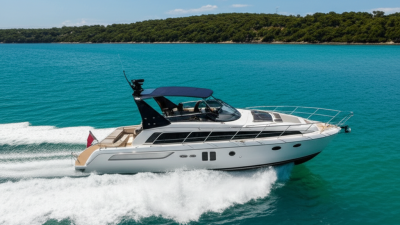
A 7.3-meter fiberglass mini yacht offers a practical balance of space, agility, and versatility for days on the water. Its compact 24-foot size is easy to manage compared with a larger yacht, while still providing room for passengers and essential gear. The fiberglass construction gives the boat a smooth, durable hull suited to regular recreational use, whether cruising along the coast or heading out to a favorite fishing area.
For fishing trips, the open deck can provide useful room to move, cast, and organize equipment. When it is time for water sports, the boat’s manageable size makes it a flexible platform for enjoying an active day afloat. Comfortable seating and thoughtful storage can help keep the onboard space organized between activities. With a layout suited to both relaxation and recreation, this mini yacht can serve as a capable choice for families and groups looking for a versatile 24-foot boat.
Motor yachts offer faster transfers, spacious cabins, and sheltered social areas. Sailing yachts travel more quietly and involve hands-on handling.
Its two hulls create a broad deck and steadier movement at anchor. Marina access can be harder. Check berth width.
Day yachts suit shorter outings, with open seating and limited overnight space. For longer stays, check cabin layout and storage.
Not necessarily. More cabins can shrink shared living space, while greater size raises fuel, maintenance, crew, and berthing needs.
Walk the deck. Check helm sightlines, usable space, range, and service access. Bring a list of equipment you actually carry.
Nearby technicians and available berths can make trips easier. A beautiful finish matters less when repairs are far away.
Conditions vary by destination. Check marina capacity, cruising distances, shallow approaches, humid-weather storage, and support beyond the launch port.
No. Order figures track projects, not completed sales or owner satisfaction. I might overvalue the numbers; time on board tells you more.
Choosing a Leisure Yacht for global travel begins with understanding how yacht brands differ in market focus, design, and intended use. Buyers can compare motor yachts, sailing yachts, and other leisure vessels according to size, range, comfort, performance, and the activities they support. Rather than relying on reputation alone, consider build quality, layout, materials, fuel efficiency, onboard systems, and how well a yacht suits your preferred destinations and style of travel.
The global market includes builders with strengths in different vessel sizes, technologies, and regional conditions. A thoughtful comparison should also account for ownership costs, customization options, maintenance access, warranties, and the availability of trained service teams. Strong support can make long-term ownership simpler, especially when a yacht is used far from its original delivery location. By weighing the vessel’s purpose alongside its practical needs, buyers can identify a Leisure Yacht that offers a balanced fit for their plans, budget, and expectations.