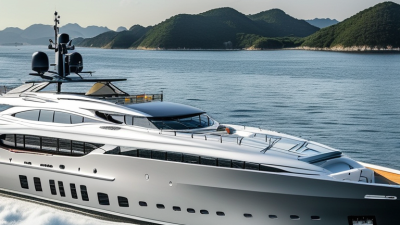
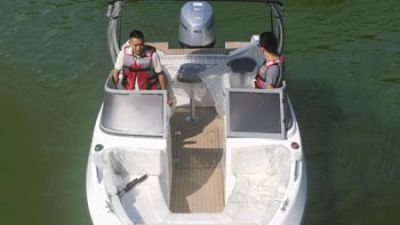
Picking the right Yacht Boat? It really starts with figuring out how each design behaves once it's actually on the water—not just in a brochure. A sleek motor yacht can shoot across a calm bay in no time, while a Sailing Yacht gives you a quieter ride and less dependence on fuel. Catamarans? They bring serious stability and plenty of deck space. Expedition yachts are built for range, tough reinforced hulls, and far-off destinations. Sportfishing yachts, meanwhile, focus on cockpit access, gear storage, and steady handling when things get busy.
But the best choice is about way more than looks. Hull shape, engine power, draft, onboard space, maintenance demands, and where you plan to cruise—all of it matters. A Boat High Speed Boat can give you that thrilling acceleration, sure. But speed often means more fuel use, more noise, and a harsher ride over waves. A slower displacement yacht may actually feel more comfortable on long passages. And honestly, small details add up: a shaded helm, dry storage, safe side decks, reliable navigation displays.
Yacht designer Espen Øino is widely respected for blending performance with practical design. His guiding idea is often summed up like this: “A yacht should serve the owner’s lifestyle, not merely display speed.” That principle is a pretty useful foundation for this comparison. The most expensive Yacht Boat isn’t automatically the best one for you. This is where buyers sometimes get it wrong. I’ve seen polished specs hide awkward layouts, limited range, or servicing access that’s a real pain. It happens.
So this guide compares the top yacht boat types by purpose, comfort, performance, and ownership demands. It also looks at where each design works best—from coastal weekends to longer offshore cruising. No single category wins every test. The right answer is personal, practical, and sometimes a lot less glamorous than expected.
How Yacht Boats Are Classified
What Are the Top Yacht Boat Types?
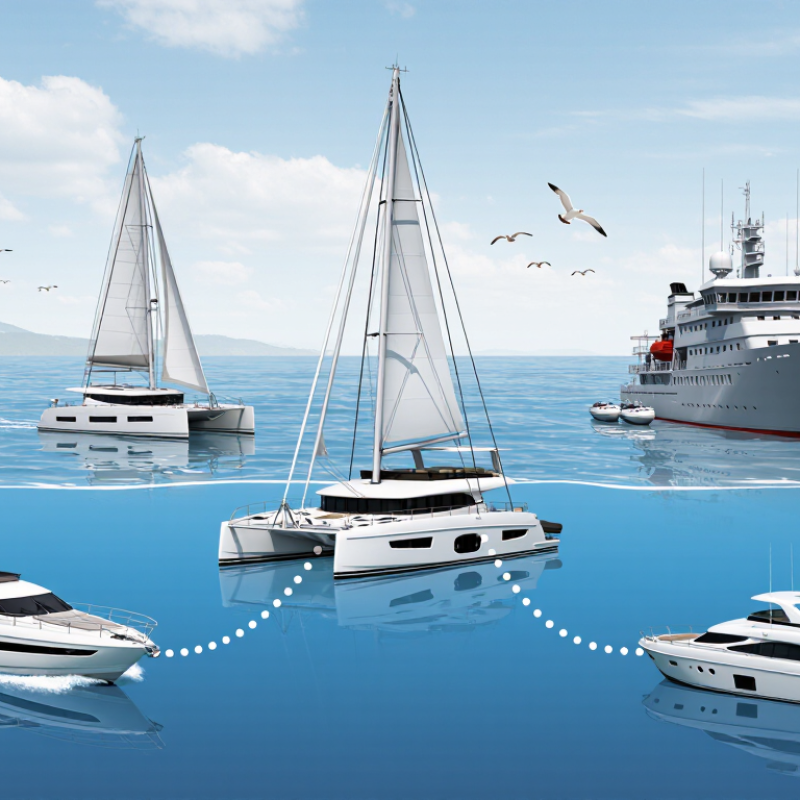
Yacht boats are commonly classified by their purpose, hull design, size, and propulsion system. A cruising yacht usually offers cabins, a galley, and steady range for several days offshore. A day yacht is smaller, with open seating and limited sleeping space. It suits short coastal trips and relaxed afternoon use.
Motor yachts rely on engines, while sailing yachts combine wind power with auxiliary engines. Motor yachts often provide more speed and interior volume. Sailing yachts offer quieter movement and a closer connection with changing weather.
Catamarans use two hulls, creating a wide deck and reduced rolling. Monohull yachts usually deliver sharper handling and a more traditional sailing feel.
The layout creates another useful classification.
Flybridge yachts place a steering station above the main deck, improving visibility in calm conditions. Sport yachts emphasize speed, low profiles, and outdoor access. Expedition yachts focus on fuel range, reinforced construction, and practical storage. Superyachts add extensive crew areas, entertainment spaces, and custom interiors.
Classification is not always tidy. A yacht may be both a sailing catamaran and an expedition vessel. My first assessment usually considers the owner’s route, crew size, and comfort expectations. A sleek boat may look suitable for offshore travel, yet limited tank capacity can change that judgment. Details matter, including draft, stabilizers, ventilation, and maintenance access. Check the specifications carefully.
Motor Yachts: Power, Space, and Cruising Performance
Motor Yachts: Power, Space, and Cruising Performance
Motor yachts combine strong engines with generous living areas and steady offshore capability. Their appeal begins with controlled power, not simply maximum speed. Twin diesel engines can provide confident acceleration, while stabilizers reduce rolling during longer passages. A deep hull also improves tracking, though it may limit access to shallow bays. Comfort comes first.
On a well-planned motor yacht, the main deck often includes a bright salon, practical galley, and wide outdoor seating. Lower cabins may offer private bathrooms, storage, and quieter sleeping spaces. During a sea trial, I would check engine response, vibration, steering accuracy, and visibility from the helm. Small rattles matter. They can reveal poor fitting or future maintenance concerns.
Compared with a Sports Boat High Speed Boat, a motor yacht usually sacrifices quick turning for range, space, and smoother cruising. Fuel capacity, cruising speed, and engine hours deserve careful review before purchase. Range changes everything. A vessel traveling efficiently at a moderate speed may cover more coastline than a faster boat with heavy fuel consumption. Buyers should also inspect bilge dryness, electrical systems, navigation equipment, and service records with a qualified marine surveyor. No yacht is perfect. Even experienced owners can underestimate maintenance costs, especially around generators, air-conditioning systems, and underwater gear.
Sailing Yachts: Design, Speed, and Wind-Based Travel
A sailing yacht is designed around balance, not decoration alone. Its hull must cut through water while carrying people, supplies, and safety equipment. A deep keel lowers the center of gravity and helps the boat resist strong side winds. The mast, boom, and rigging transfer wind into forward movement. I have found that small design details matter. A well-placed winch can make a difficult sail feel controlled. Poor deck spacing can turn a simple adjustment into a stressful task.
Speed depends on wind angle, hull shape, sail area, and water conditions. A narrow hull may move quickly in steady wind, while a wider hull often feels more stable for relaxed cruising. Sailing close to the wind requires careful trimming and constant attention. When the sails flap, the boat loses power and warns the crew. When they fill smoothly, the yacht seems to breathe. It is not always fast. That can be frustrating, especially when weather changes unexpectedly.
A Yacht Boat Luxury Yacht may offer elegant cabins, polished fittings, and advanced navigation instruments. Yet comfort should never replace practical seamanship. Clear sightlines, secure handholds, and reliable communication equipment remain essential. Before departure, experienced sailors inspect lines, sails, steering, and weather forecasts. I still make mistakes with sail trim sometimes. Those moments remind me that wind-based travel rewards patience more than confidence. The sea does not follow a schedule.
Catamarans: Stability, Comfort, and Efficient Living Space
Catamarans combine stability, comfort, and surprisingly efficient living space. Their twin hulls spread buoyancy across a wider platform. This reduces rolling at anchor and creates a calmer sleeping environment. On a sea trial, the difference is obvious when dishes stay steady on the galley counter.
Grand View Research estimated the global catamaran market at approximately US$4.6 billion in 2023. Its report also projects continued growth through 2030. That demand reflects practical value, not only prestige. The space between the hulls can hold a bright saloon, while separate hulls often provide private cabins and bathrooms. For people searching Yacht Luxury Boat Yacht, this layout offers luxury through usable volume rather than decoration.
The compromise is real. A wide beam can increase marina fees and limit access to narrow berths. Twin engines also require careful maintenance and balanced fuel planning. ISO 12217 stability assessments help designers evaluate buoyancy and operating limits, but specifications cannot replace seamanship. A heavily loaded catamaran may lose some efficiency. I would not call every model effortless. Test the vessel with cruising weight, full tanks, luggage, and several people aboard. That practical check reveals whether the promised comfort survives ordinary life.
What Are the Top Yacht Boat Types? — Catamarans: Stability, Comfort, and Efficient Living Space
Compared with a representative monohull of similar length, a cruising catamaran typically offers a wider beam, shallower draft, and more usable interior and deck space. The figures below are representative design values for yachts around 40 feet long; actual specifications vary by model and layout.
Sport Yachts: Performance, Style, and Recreational Use
Sport yachts combine speed, sharp handling, and social comfort in one compact design. Their deep-V hulls can cut through short waves, while powerful engines deliver fast acceleration across open water. NMMA’s 2024 U.S. Recreational Boating Statistical Abstract recorded approximately 11.6 million registered recreational boats. That large fleet shows how strongly leisure boating remains connected to everyday recreation.
A sport yacht works best when performance serves a real activity. Wide aft decks support swimming, fishing, or chilled drinks after a fast run. Seating should remain secure when the hull turns hard. Visibility also matters near crowded marinas. The ICOMIA Global Recreational Boating Industry Statistics report places the global recreational fleet above 100 million boats, but not every owner needs maximum horsepower. Sometimes, a calmer engine setting feels more luxurious.
I have found that layout often matters more than speed. A narrow passage, poor shade, or awkward boarding step can spoil an otherwise impressive boat. For smaller-scale enthusiasts, an Rc Yacht Boat offers a practical way to study hull balance and steering response. It cannot reproduce full-size wave loads. Still, it reveals design weaknesses quickly. Sport yachts remain exciting, though buyers should question marketing claims and inspect handling, fuel use, and maintenance demands before purchase.
Explorer Yachts: Range, Strength, and Remote Destinations
Explorer yachts are built for distance, resilience, and uncertain coastlines. Their design favors deep fuel reserves, reinforced hulls, and generous storage. The Global Order Book 2024 reported more than 1,000 Large Yachts under construction or on order, reflecting continued demand for specialized cruising platforms. Explorer yachts remain a smaller, distinct segment.
Range matters at sea. A practical explorer yacht may cover 5,000 to 8,000 nautical miles before refueling, depending on speed, weather, and onboard load. Lower cruising speeds can reduce fuel consumption significantly. The International Council of Marine Industry Associations links efficient propulsion and improved onboard systems with lower operating impacts in its 2023 Global Economic Impact Study. Still, numbers can mislead.
Strength is more than thick steel. Watertight subdivision, protected propellers, reliable generators, and redundant navigation systems matter in remote waters. Classification guidance from major marine authorities emphasizes structural safety, machinery redundancy, and emergency readiness for demanding voyages. I have found that small details matter most: dry storage, insulated machinery spaces, and a repair bench with usable tools. Not glamorous. Very important.
Remote destinations also expose weaknesses. Satellite communication can fail during storms, and rescue support may be hours away. Polar operations require additional planning under the International Maritime Organization’s Polar Code, including ice awareness and emergency equipment. A longer range is not automatically better. More fuel, water, and equipment can increase displacement, maintenance, and crew workload. That trade-off deserves honest review before any itinerary is chosen.
Choosing the Right Yacht Type for Your Boating Needs
What Are the Top Yacht Boat Types?
Choosing the Right Yacht Type for Your Boating Needs
Choosing a yacht begins with your daily plans, not its appearance. A fast motor yacht suits coastal trips, water sports, and short weekend escapes. It offers quick travel, but fuel use and engine maintenance can increase operating costs. A sailing yacht provides quieter movement and lower fuel dependence. However, sailing requires patience, weather awareness, and practical training.
A catamaran gives excellent stability and generous living space. Its shallow draft can help when visiting quiet coves or sandy anchorages. Wide beam also creates more room, though marina fees may be higher. For longer journeys, a trawler-style yacht can offer efficient cruising, strong storage, and comfortable cabins. It moves slowly. That may frustrate families seeking speed.
I have found that interior layout often matters more than polished exterior details. Measure the berth, galley, cockpit, and storage areas before choosing. A flybridge yacht can provide excellent visibility and outdoor seating, but wind exposure may reduce comfort on cooler days. An express cruiser works well for day trips, yet limited sleeping space can become inconvenient.
Think about crew size, cruising distance, docking skill, and annual maintenance time. New owners sometimes choose too much boat. I did that once. A smaller yacht can be easier to handle, cheaper to maintain, and more enjoyable in ordinary conditions. Arrange a sea trial with an experienced surveyor, and test steering, visibility, noise, and onboard systems before making a decision.
19ft Fishing Boat Buying Guide: Features, Performance, Capacity, and Outboard Engine Benefits
A 19ft fishing boat offers a practical balance between coastal capability, trailerability, and manageable operating costs. When comparing models, examine the beam, freeboard, hull design, storage layout, livewell capacity, and rated passenger load rather than focusing only on length. A wider beam generally improves stability while fishing, while a moderate-V or deep-V hull can provide a smoother ride in choppy water. The NMMA’s *2023 Recreational Boating Statistical Abstract* reported that outboard-powered boats represented roughly 90% of new traditional powerboat sales, reflecting the popularity of this propulsion format for versatile fishing platforms.
Performance depends heavily on the boat’s maximum horsepower rating, total load, propeller selection, and fuel capacity. A properly matched outboard should provide responsive acceleration without operating continuously at its limit. Buyers should compare tested speed, cruising efficiency, noise, and throttle response with several passengers and full fishing equipment aboard. The U.S. Coast Guard’s recreational boating safety reports consistently identify falls overboard and collisions among leading accident categories, making secure handholds, non-slip decks, navigation lights, and an accessible emergency-cutoff system important equipment considerations.
Outboard engines also simplify maintenance because the power unit is externally accessible and can be tilted clear of the water during storage or shallow-water operation. Four-stroke configurations typically offer quiet running, strong low-speed control, and reduced fuel consumption compared with older engine designs, although actual economy varies with hull weight and sea conditions. For a 19ft boat, buyers should verify the transom rating, steering system, battery arrangement, fuel-system compliance, and available service support before selecting the engine package.
FAQS
Yachts are classified by purpose, hull design, size, and propulsion. A day yacht suits short coastal trips. A cruising yacht offers cabins, a galley, and several days of range. Classification can overlap.
Motor yachts use engines for controlled power, speed, and interior space. Sailing yachts use wind, supported by auxiliary engines. They usually move more quietly. Weather matters greatly.
A catamaran has two hulls and a wide deck. It usually rolls less than a monohull. The extra width can improve living space and stability. It may require careful attention in narrow harbors.
A motor yacht may include a bright salon, practical galley, and private cabins. Stabilizers can reduce rolling offshore. A deep hull improves tracking but may limit access to shallow bays. Comfort comes first.
Check engine response, vibration, steering accuracy, and helm visibility. Small rattles deserve attention. They may reveal loose fittings or future maintenance problems. I sometimes overlook minor noises.
Wind angle, hull shape, sail area, and water conditions affect speed. A narrow hull may move quickly in steady wind. A wider hull often feels steadier. It is not always fast.
Inspect the keel, mast, boom, rigging, sails, and steering system. Secure handholds and clear sightlines improve onboard safety. Reliable communication equipment also matters. Poor deck spacing creates stress.
Yes. A yacht can be a sailing catamaran and an expedition vessel. A sleek design may still have limited fuel capacity. Review draft, stabilizers, ventilation, storage, and maintenance access. Details change the judgment.
Conclusion
Yacht boats come in several distinct types, each designed to support different cruising styles, onboard experiences, and performance goals. Motor yachts are powered for speed, range, and generous interior space, making them suitable for extended trips and comfortable coastal travel. Sailing yachts rely on wind and thoughtful design to deliver a quieter, more traditional experience, while catamarans offer excellent stability, efficient movement, and spacious living areas across twin hulls.
Sport yachts emphasize responsive handling, sleek design, and recreational performance for active days on the water. Explorer yachts are built with strength, long-range capability, and practical storage for travelers who want to reach less accessible destinations. When choosing a Yacht Boat, consider your preferred travel distance, crew size, comfort expectations, maintenance needs, and interest in sailing or powered cruising. The right yacht type should balance performance, safety, space, and lifestyle so every journey feels enjoyable and purposeful.